Energy Isolationism Rises Amid Iran Conflict as Toman Gains 1.1% on Fragile Ceasefire
انزوای انرژی در سایه تنشهای ایران؛ تقویت ۱.۱ درصدی تومان در پی آتشبس شکننده
Global energy importers are pivoting toward domestic production as the Iran-Israel conflict destabilizes markets. Meanwhile, the Toman has seen a slight recovery as a Trump-brokered pause in hostilities takes hold.
At time of publishing
USD
176,500
Toman
Gold 18K
18.53M
Toman / gram
Bitcoin
$63,555
US Dollar
Tether
176,329
Toman
The Great Energy Pivot: Why Nations Are Turning Inward
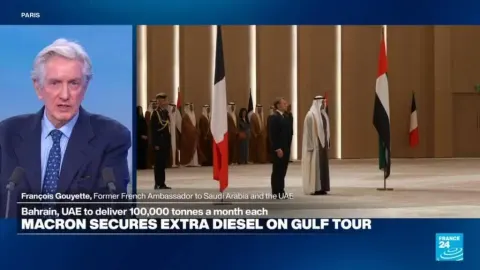
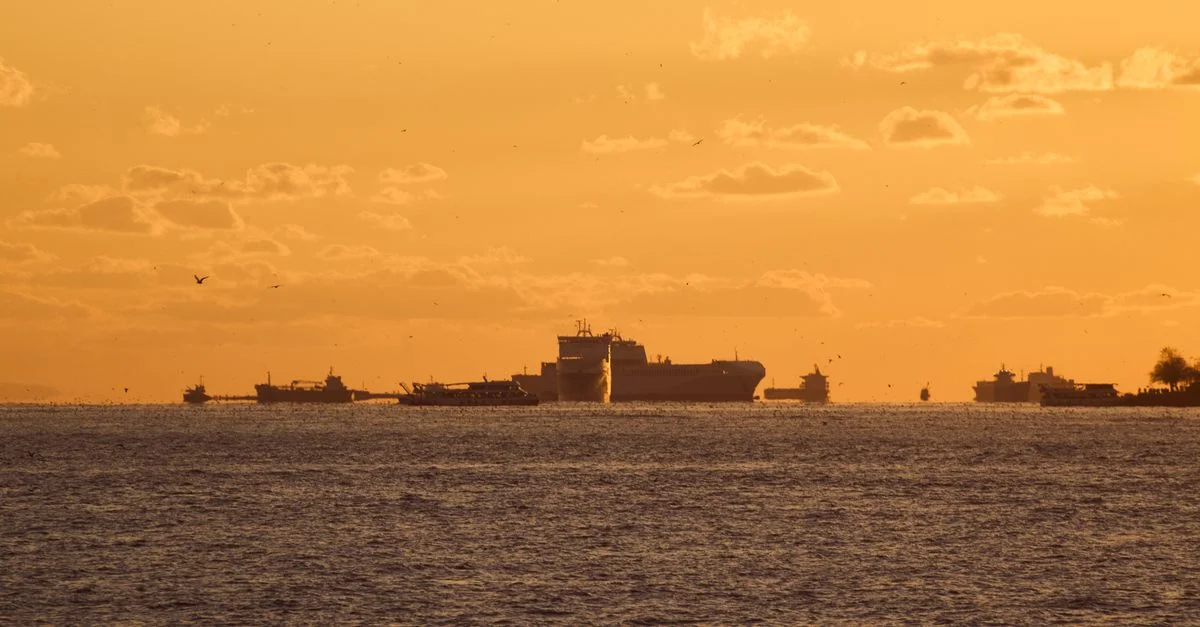
The ongoing conflict involving Iran is fundamentally restructuring the global energy landscape, but perhaps not in the way many expected. Rather than simply seeking new suppliers, major energy-importing nations are increasingly turning inward, prioritizing domestic energy security over international trade. This shift is a direct response to the extreme volatility in oil and natural gas markets caused by the threat of a prolonged war in the Middle East. For decades, the global economy relied on the seamless flow of hydrocarbons through the Strait of Hormuz, but the recent strikes have proven that this dependency is a strategic liability. Nations are now accelerating investments in domestic renewables, nuclear power, and local extraction to insulate themselves from geopolitical shocks that they cannot control.
This 'energy autarky' movement has profound long-term implications for Iran and other OPEC members. As importing giants like the EU, India, and China build out infrastructure that doesn't rely on Middle Eastern crude, the structural demand for regional oil may face a permanent decline. Even if a full-scale war is avoided, the trust in the global supply chain has been severed. For the Iranian reader, this means that while oil prices might spike in the short term due to conflict, the long-term revenue prospects for the national budget are becoming increasingly precarious. The 'risk premium' is no longer just a price fluctuation; it is becoming a catalyst for customers to leave the market entirely in favor of local alternatives.

A Fragile Silence: Trump, Netanyahu, and the Tehran Ceasefire
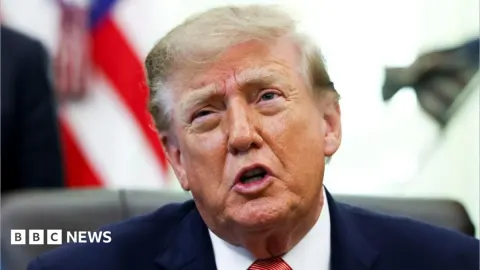
At 22:00 Tehran time, the markets are breathing a cautious sigh of relief as Israel and Iran appear to have stepped back from the brink of a full-scale regional war. Prime Minister Benjamin Netanyahu confirmed that Israel’s 'fire is on hold' following a direct intervention from President Donald Trump, who has publicly demanded an immediate halt to the shooting. This de-escalation has had an immediate impact on the Iranian currency market. The USD/IRR exchange rate moved from 178,400 to 176,500, representing a 1.1% appreciation for the Toman. Similarly, Gold 18k per gram dropped from 18,683,918 to 18,534,327 Toman (-0.8%), reflecting a temporary reduction in the geopolitical risk premium that had been driving prices to record highs over the weekend.
However, the relationship between Trump and Netanyahu remains 'complex and conflicted,' which adds a layer of uncertainty to this ceasefire. While Trump claims to be 'calling all the shots,' Netanyahu has signaled that Israel remains ready to resume strikes with 'force' if provoked. This tension suggests that the current calm is not necessarily a peace deal, but rather a tactical pause. For investors and traders in Tehran, this means the market remains on a knife-edge. The 1.1% gain in the Toman could be erased instantly if a single drone or missile crosses the border again. The 'frenemy' dynamic between the US and Israeli leadership creates a volatile environment where policy shifts can happen via a single social media post or late-night phone call.

Legal Blow to Trump’s Visa Policy: A Win for Global Tech Talent
In a significant domestic development with global ramifications, a federal judge in Boston has ruled that President Trump’s $100,000 fee for H-1B visas is unlawful. This fee, which was introduced via executive order last year, was intended to dramatically raise the cost for companies hiring highly skilled foreign workers, effectively acting as a protectionist barrier. Judge Leo Sorokin’s ruling invalidates the fee, siding with 20 Democratic state attorneys general who argued the move overstepped executive authority. This is a major victory for the tech sector, which relies heavily on international talent to maintain its competitive edge in AI and hardware development.
For the Iranian diaspora and the thousands of highly skilled Iranian engineers and researchers seeking opportunities abroad, this ruling is a critical turning point. The $100,000 fee had made the H-1B path nearly impossible for all but the wealthiest applicants or the largest corporations. By removing this financial barrier, the path to the US tech industry becomes more accessible again, potentially reversing a 'brain drain' that had been redirected toward Europe and Canada. It also signals that the US judicial system remains a significant check on Trump’s more radical economic and immigration policies, providing a sense of predictability for international professionals navigating the complexities of the current administration.
The NYC Lockdown: Sports, Politics, and the Trump Spectacle
While the Middle East teeters between war and peace, New York City is experiencing a different kind of intensity. The New York Knicks’ historic run in the NBA Finals has electrified the city, but the excitement is being met with unprecedented security measures. President Trump has announced his intention to attend the upcoming game at Madison Square Garden, leading to a massive security lockdown of the surrounding Manhattan area. This intersection of high-stakes sports and polarizing politics highlights the 'spectacle' nature of the current US administration, where domestic grandstanding often shares the stage with global crisis management.

This domestic focus is not merely a distraction; it reflects a broader trend in US policy where domestic optics are given as much weight as foreign strategy. For global observers, including those in Iran, it illustrates that the US leadership is operating on multiple fronts—juggling a fragile Middle East ceasefire while maintaining a high-profile presence in the American cultural and sporting zeitgeist. The 'lockdown' in NYC serves as a metaphor for the current era: a world where security, celebrity, and geopolitics are inextricably linked, and where the actions of a single leader can simultaneously influence the price of the Toman and the logistics of a basketball game.
Frequently Asked Questions
Why did the USD/IRR price drop despite ongoing tensions?
What does 'energy inwardness' mean for Iran's economy?
How does the H-1B visa court ruling affect Iranian tech workers?
Geopolitical Stability and Currency Exchange Rates
The recent gain in the Iranian Toman following news of a fragile ceasefire highlights a fundamental principle of international finance: currency exchange rates are profoundly sensitive to geopolitical stability. An exchange rate represents the value of one currency in relation to another, acting as a barometer of a nation's economic health, political environment, and perceived risk. When a country faces conflict or high political uncertainty, its currency typically weakens as investors seek safer assets elsewhere.
Geopolitical events, such as wars, diplomatic breakthroughs, or even the threat of sanctions, introduce significant uncertainty into markets. Conflict can disrupt trade routes, deter foreign direct investment, and lead to capital flight as both domestic and international investors move their money out of an unstable region. This reduced demand for the local currency, coupled with increased supply as capital leaves, naturally drives its value down. Conversely, any sign of de-escalation, a ceasefire, or increased stability can reduce this perceived risk, making the country's assets and currency more attractive.
In the specific context of Iran, whose economy has frequently navigated regional tensions and international sanctions, the Toman's value is particularly susceptible to geopolitical shifts. A ceasefire, even if described as "fragile," signals a potential reduction in immediate conflict risk, which can temporarily boost market confidence. This improved sentiment can encourage some capital to return or at least slow its outflow, leading to an appreciation of the Toman against major currencies like the US Dollar. However, the "fragile" nature of such agreements means that these gains can be easily reversed if tensions resurface, underscoring the volatile relationship between geopolitics and currency markets.