Iran-Israel Missile Exchange Tests Red Lines as Toman and Gold Retreat 0.8%
تبادل موشکی ایران و اسرائیل در بوته آزمایش؛ عقبنشینی ۰.۸ درصدی دلار و طلا
Iran and Israel exchange strikes on petrochemical facilities, sparking fears of a wider war before a tense 'cessation of hostilities' was declared by Netanyahu. Meanwhile, the Toman and gold prices have dipped 0.8% as the market digests the risk of a regional explosion.
At time of publishing
USD
176,900
Toman
Gold 18K
18.53M
Toman / gram
Bitcoin
$63,488
US Dollar
Tether
177,175
Toman
The High-Stakes Gamble: Haifa and Mahshahr in the Crosshairs
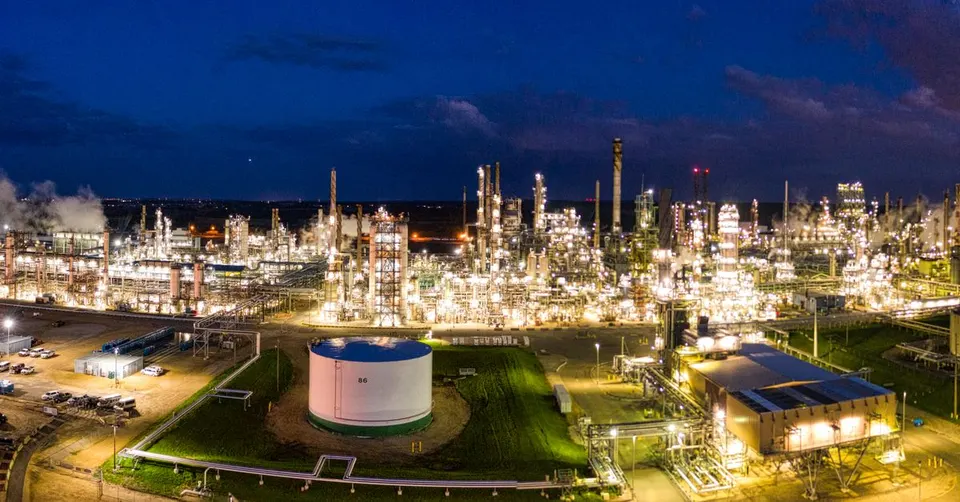
In a dramatic escalation of the long-standing shadow war, Iran and Israel have moved into a phase of direct, tit-for-tat strikes on critical economic infrastructure. The latest cycle began with an Israeli strike on the Karun petrochemical plant in Mahshahr, located in Iran’s Khuzestan province. According to the Fars news agency, the Islamic Revolutionary Guard Corps (IRGC) responded by launching a missile barrage—estimated at 30 projectiles—targeting a similar petrochemical facility in the northern Israeli city of Haifa. While early reports suggest no immediate casualties at the Karun site, the psychological impact on regional energy markets and trade routes has been profound, forcing analysts to re-evaluate the threshold for a full-scale regional conflict.
Israeli Prime Minister Benjamin Netanyahu has since declared a cessation of hostilities, claiming that the Israeli strikes successfully deterred the Islamic Republic from further aggression. However, this 'deterrence' remains incredibly fragile. Netanyahu warned in a televised address that any mistake by Iran to resume attacks would be met with "full force." This rhetoric comes as Lebanon’s President, Joseph Aoun, refuses to meet with Netanyahu until the war ends, emphasizing that a military solution will not provide long-lasting security. For the Iranian public, this exchange represents a dangerous new normal where economic assets are no longer off-limits, directly influencing the volatility seen in the Toman exchange rate over the last several hours.
Market Reaction: A 0.8% Dip Amidst the Smoke
Despite the terrifying headlines of missile exchanges, the Iranian market showed a surprising, albeit cautious, resilience as the news of a potential cessation of hostilities filtered through. The USD/IRR rate moved from 178,400 down to 176,900, representing a -0.8% decrease. Similarly, Gold 18k per gram fell from 18,683,918 to 18,534,327 Toman, also a -0.8% drop. This retreat suggests that the market had already priced in a significant 'war premium' and is now breathing a sigh of relief that the Haifa-Mahshahr exchange did not immediately spiral into an all-out invasion or a blockade of the Strait of Hormuz.
However, the 'great gold myth'—the idea that precious metals always serve as a perfect hedge during war—is being tested. As observed in recent global trends, gold has actually tumbled since the broader conflict intensified earlier this year. Investors in Tehran are finding that liquidity and the immediate availability of hard currency (USD) are often prioritized over gold during active missile exchanges. The current price of the Emami coin, which dropped -0.5% to 183,000,000 Toman, reflects this shift. While the Toman gained slightly tonight, the underlying sentiment remains one of extreme 'event risk,' where any single headline from Jerusalem or Tehran could reverse these gains in minutes.
The Hardware Squeeze: AI’s Hidden Cost for Tech Portfolios
Beyond the geopolitical arena, a different kind of crisis is brewing in the technology sector that could have long-term implications for global equity markets. While the AI boom has been a goldmine for memory-chip suppliers, it is beginning to severely squeeze device-makers and their customers. A recent analysis suggests that a $1,000 videogame console or high-end smartphone may soon become the norm as hardware stocks are pressured by the rising costs of AI-integrated components. This 'hardware squeeze' means that while the infrastructure for AI is printing money, the actual products delivered to consumers are becoming prohibitively expensive, potentially slowing down the adoption of the very tech that investors are betting on.

This trend is particularly relevant as Apple prepares to launch its iOS 27 with an AI-upgraded camera and a more personal Siri. The integration of high-level AI directly into hardware requires massive computational power and expensive hardware upgrades. For Iranian tech enthusiasts and businesses relying on imported hardware, this dual pressure of a weakened currency and rising global hardware prices creates a formidable barrier to entry. If tech portfolios are heavily weighted toward device-makers rather than the chip suppliers or the energy firms powering the AI data centers, they may find themselves on the wrong side of the 2026 AI boom.
Crypto’s Flight to Quality: The Hyperliquid Narrative
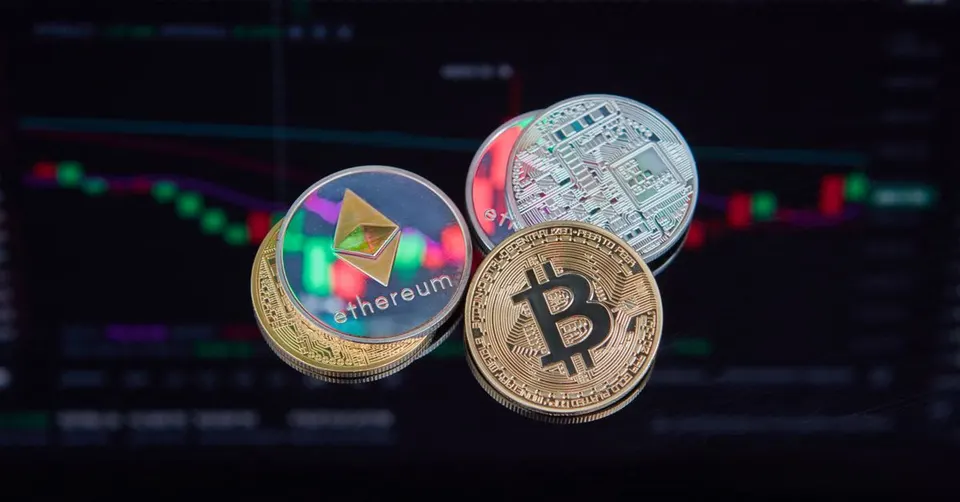
In the cryptocurrency space, the narrative is shifting away from pure speculation toward protocols that generate actual cash flow. Citrini Research, an influential firm known for its market-moving reports, has highlighted Hyperliquid as a 'compelling' investment. Unlike many legacy crypto assets, Hyperliquid features a token buyback mechanism and legitimate cash flow, accounting for nearly half of all buyback activity across the sector in 2025. This focus on 'real yield' is attracting institutional interest even as Bitcoin (BTC) hovers around the $63,488 mark.
Coinbase strategists have noted that family offices and sovereign wealth funds are not panicking despite recent selloffs; instead, they are using lower prices as an accumulation opportunity. For Iranian crypto traders, the USDT price (currently at 177,175 Toman) remains the primary gateway to this global liquidity. As Bitcoin RSI readings hit record lows, some analysts suggest a 'generational buying opportunity' is surfacing, provided that the geopolitical situation in the Middle East does not deteriorate to the point of a global energy shock that would force a liquidation of all risk assets.
Watch
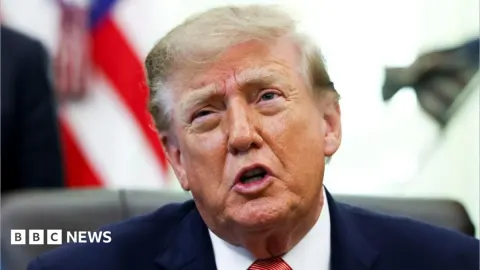
Trump tells Israel and Iran to stop 'shooting' | BBC News
BBC News
Frequently Asked Questions
Why did the Toman and Gold prices decrease despite the missile exchange?
What was the significance of the Haifa-Mahshahr exchange?
Why is Hyperliquid considered a 'compelling' crypto investment now?
How is the AI boom affecting hardware stocks in 2026?
Currency Devaluation: How a Falling Toman Affects Prices, Gold, and the Economy
When a country’s currency loses value against foreign currencies, we call it devaluation. In Iran, the rial (or its newer unit, the toman) has been sliding against the US dollar, a trend reflected in the headline’s mention of a 0.8% retreat. Devaluation makes imports more expensive because foreign goods now require more local currency to purchase. Since Iran imports a substantial share of its food, medicine, and technology, higher import costs quickly translate into higher consumer prices, fuelling inflation.
One immediate consequence of a weaker toman is the shift of investors and households toward hard assets like gold. Gold is priced globally in dollars, so when the dollar strengthens relative to the toman, the local price of gold in tomans rises even if the dollar price stays flat. This explains why the headline pairs a falling exchange rate with a rise in gold prices in Tehran. The same logic applies to cryptocurrencies and other assets that are denominated in dollars – they become more attractive as a store of value when the local currency erodes.
Devaluation can also affect the balance of payments. A weaker currency makes exports cheaper for foreign buyers, potentially boosting demand for Iranian oil and petrochemical products such as those from the Karun plant. However, the benefit is limited if sanctions restrict market access or if production is disrupted by strikes. Moreover, a persistent devaluation can erode confidence in the monetary authority, prompting capital flight and further pressure on the exchange rate.
Policymakers have a few tools to manage devaluation. They can intervene in the foreign‑exchange market, raise interest rates to attract capital, or impose capital controls. Yet each measure carries trade‑offs: higher rates can stifle growth, while controls may encourage black‑market activity. Understanding the mechanics of devaluation helps readers see why headlines about exchange rates, gold, and geopolitical tensions are deeply interconnected.
Key take‑away: A falling toman raises the local cost of imported goods, pushes investors toward dollar‑denominated assets like gold, and can both help and hurt the broader economy depending on how it influences trade and confidence.
عنوان فارسی: کاهش ارزش ارز: چگونه تضعیف تومان بر قیمتها، طلا و اقتصاد تأثیر میگذارد
متن فارسی: وقتی ارزش یک ارز در مقابل ارزهای خارجی کاهش مییابد، به آن کاهش ارزش (Devaluation) میگوییم. در ایران، نرخ تبدیل تومان به دلار در ماههای اخیر کاهش یافته است؛ این موضوع در سرفصل خبری که اشاره کردید، با افت ۰٫۸٪ تومان نشان داده شده است. کاهش ارزش تومان باعث میشود واردات گرانتر شود، زیرا برای خرید کالاهای خارجی به تومان بیشتری نیاز است. از آنجا که ایران بخش قابلتوجهی از مواد غذایی، دارو و فناوریهای خود را وارد میکند، هزینههای بالاتر واردات به سرعت به تورم میانجامد.
یکی از نتایج فوری تضعیف تومان، تمایل سرمایهگذاران و خانوارها به داراییهای سخت مانند طلا است. طلا بهصورت جهانی به دلار قیمتگذاری میشود؛ بنابراین وقتی دلار در مقابل تومان قدرتمندتر میشود، قیمت طلا به تومان افزایش مییابد حتی اگر قیمت آن به دلار ثابت بماند. همین منطق باعث شده است که در خبر، کاهش ارزش تومان همراه با رشد قیمت طلا در تهران ذکر شود. همین امر برای ارزهای دیجیتال و سایر داراییهای دلاری نیز صادق است؛ آنها به عنوان ذخیره ارزش در زمان کاهش ارزش پول ملی جذابتر میشوند.
کاهش ارزش ارز میتواند بر تراز پرداختها نیز تأثیر بگذارد. تضعیف تومان باعث میشود صادرات برای خریداران خارجی ارزانتر شود و ممکن است تقاضا برای محصولات نفتی و پتروشیمی ایران، مانند محصولاتی که در کارخانه پتروشیمی کارون تولید میشود، افزایش یابد. با این حال، این سود محدود میشود اگر تحریمها دسترسی به بازارهای خارجی را محدود کنند یا اگر کارگری مانند اعتصابها تولید را مختل کنند. علاوه بر این، کاهش مداوم ارزش تومان میتواند اعتماد به بانک مرکزی را کاهش دهد و موجب خروج سرمایه و فشار بیشتر بر نرخ ارز شود.
سیاستگذاران برای مدیریت کاهش ارزش ارز ابزارهای مختلفی دارند: میتوانند در بازار ارز مداخله کنند، نرخ بهره را برای جذب سرمایه افزایش دهند یا کنترلهای سرمایهای اعمال کنند. هر یک از این اقدامات عواقب خود را دارد؛ نرخ بهره بالا میتواند رشد اقتصادی را کُند کند و کنترلهای سرمایهای ممکن است بازارهای غیررسمی را تقویت کند. درک مکانیکهای کاهش ارزش ارز به خوانندگان کمک میکند تا ببینند چرا خبرهای مرتبط با نرخ ارز، طلا و تنشهای ژئوپولیتیک بههم پیوستهاند.
نکته کلیدی: تضعیف تومان هزینههای واردات را بالا میبرد، سرمایهگذاران را به سمت داراییهای دلاری مانند طلا سوق میدهد و بسته به تأثیر آن بر تجارت و اعتماد، میتواند هم مزایا و هم معایب برای اقتصاد به همراه داشته باشد.