Trump’s 'Nuclear Diplomacy' Pauses Iran-Israel Strikes as Hormuz Tensions Linger
توقف حملات ایران و اسرائیل با میانجیگری ترامپ؛ آرامش شکننده در تنگه هرمز
Iran and Israel have agreed to a temporary pause in military strikes following diplomatic pressure and claims of progress toward nuclear talks. While the ceasefire offers a reprieve for markets, a U.S. helicopter incident near the Strait of Hormuz highlights the ongoing volatility in regional energy corridors.
At time of publishing
USD
176,250
Toman
Gold 18K
18.50M
Toman / gram
Bitcoin
$63,372
US Dollar
Tether
176,840
Toman
The Fragile Ceasefire: Trump’s Shadow Over the Middle East
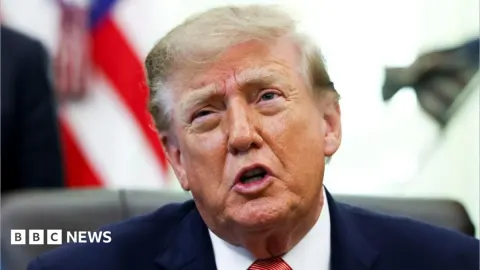
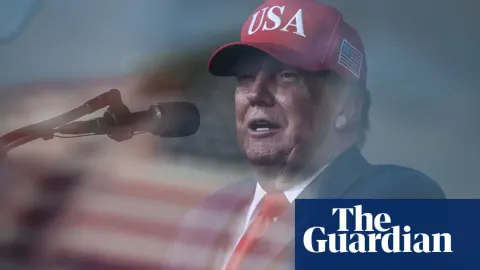
In a significant shift of the regional security landscape, both Iran and Israel have announced a temporary suspension of military strikes. Prime Minister Benjamin Netanyahu confirmed that Israel’s “fire is on hold” following a high-stakes telephone conversation with U.S. President Donald Trump. This diplomatic intervention comes amidst claims from the Trump administration that substantial progress is being made toward renewed nuclear negotiations. For the Iranian public and regional observers, this pause represents a critical de-escalation, even if both sides have accompanied their announcements with stern warnings that any breach of the ceasefire will result in immediate and overwhelming retaliation. This development is more than a mere tactical pause; it reflects a strategic recalculation. Analysts suggest that Tehran may perceive the current administration’s appetite for a direct regional war as low, potentially strengthening Iran's hand in future negotiations. However, the internal pressure within Israel remains high, and the 'on hold' status is contingent on a lack of provocation from Iranian-backed groups. For the markets, the immediate impact was a slight cooling of the 'war premium' that has been baked into asset prices for weeks. The USD/IRR rate responded with a modest decline, moving from 176,900 to 176,250 (-0.4%), signaling a cautious optimism among traders who have been bracing for a wider conflict.

Security Incidents and the Hormuz Chokepoint
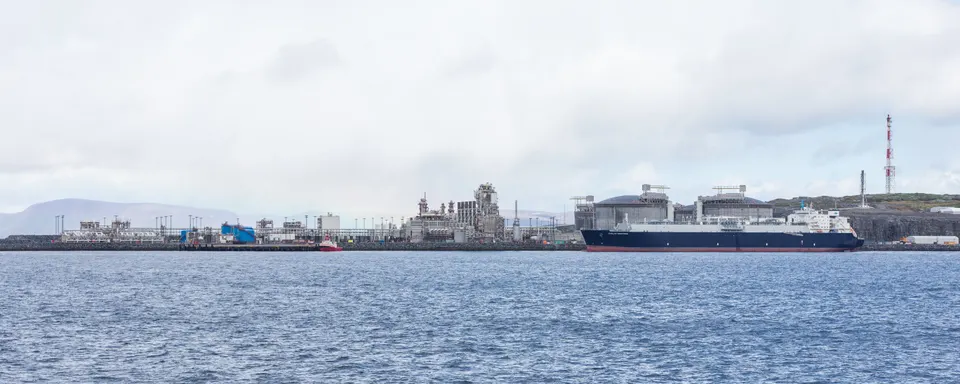
Despite the diplomatic breakthrough on the mainland, the maritime situation remains fraught with danger. A U.S. military helicopter reportedly went down near the Strait of Hormuz earlier today. While the crew was successfully rescued, the timing of the incident—occurring just as the ceasefire was taking hold—has raised concerns about the stability of the maritime corridor. Official reports have not yet clarified whether the crash was due to mechanical failure or external interference, but in the hyper-sensitive environment of the Persian Gulf, even an accident can be misconstrued as a provocation. This incident serves as a stark reminder that the region remains a powder keg where technical errors can have geopolitical consequences. Simultaneously, the flow of energy through the Strait of Hormuz continues, albeit under a cloud of uncertainty. Recent data indicates that at least nine LNG vessels, including five carrying Qatari gas, have successfully navigated the chokepoint since late February. The fact that these high-value cargoes are 'slipping through' suggests that neither side is currently willing to risk a total blockade of the world's most vital energy artery. However, the cost of insurance and the logistical complexity of these transits remain at record highs. The persistence of these shipments is vital for global energy security, yet the market remains on edge, knowing that any localized flare-up could instantly halt this flow and send global oil and gas prices into a tailspin.
Market Realities: Toman Gains as Global Markets Pivot
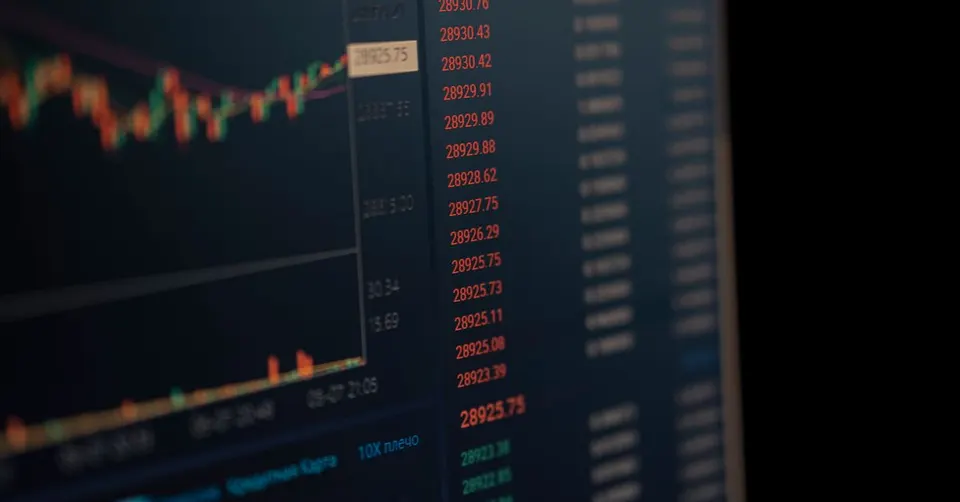
The Iranian domestic market has shown a rare moment of stability following the news of the pause in hostilities. The price of Gold 18k per gram edged down slightly from 18,534,327 to 18,498,083 (-0.2%), while the Emami coin held steady at 183,000,000 Toman. This lack of volatility in the gold market suggests that while the immediate fear of war has subsided, investors are not yet ready to dump their safe-haven assets. They are waiting for concrete evidence that the 'nuclear progress' mentioned by Trump translates into actual policy shifts or sanctions relief. Until then, the Toman's strength is likely to be capped by structural economic realities and high inflation expectations. On the global stage, the focus is beginning to shift back toward macroeconomic fundamentals and the technological arms race. While Middle Eastern tensions dominated the headlines, Australian markets are already pricing in interest rate cuts for 2027, and tech giants like Apple and Amazon continue to pour billions into AI infrastructure. This divergence highlights a two-speed global economy: one side is mired in the geopolitical risks of the energy heartland, while the other is racing toward an AI-driven future. For the Iranian investor, the challenge remains navigating the local currency's sensitivity to these geopolitical shifts while keeping an eye on the global digital economy, where Bitcoin remains steady above the $63,000 mark despite the regional noise.
Watch
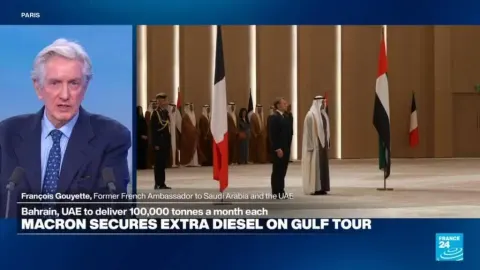
'Choice was Iran's to resume hostilities,' Israel's ambassador to France says
Associated Press
Frequently Asked Questions
Why did the USD/IRR price drop today?
Is the Strait of Hormuz closed following the U.S. helicopter incident?
What is the 'Trump factor' mentioned in the ceasefire reports?
Why the Strait of Hormuz Is a Global Energy Chokepoint
The Strait of Hormuz, a narrow waterway between Oman and Iran, is one of the world’s most critical maritime chokepoints. At its narrowest point the strait is only about 21 nautical miles wide, yet roughly 20% of global oil consumption—and a similar share of petroleum products—passes through it each day. This concentration means that any disruption, whether from geopolitical tension, naval incidents, or mechanical failures, can ripple through global energy markets, inflating oil prices and prompting shifts in currency exchange rates such as the USD/IRR.
Historically, the strait has been a flashpoint for regional rivalries, especially between Iran and Israel, and more recently, it has featured in broader U.S. diplomatic strategies, including the so‑called “nuclear diplomacy” pursued by former President Donald Trump. Control over Hormuz gives Iran a lever to influence global oil flows, which it has demonstrated by threatening to close the strait during periods of heightened tension. Such threats have prompted naval escorts for LNG tankers and other commercial vessels, underscoring the strategic importance of protecting maritime trade routes.
The economic implications extend beyond oil. A disruption in Hormuz can affect the price of commodities like gold, which often moves inversely to oil volatility, and can exacerbate currency pressures in Iran, where the rial’s value against the dollar is already fragile. Moreover, the presence of military assets—such as U.S. helicopters and warships—adds a layer of risk management for shipping companies, which must balance safety with the cost of rerouting vessels around the longer Cape of Good Hope.
Understanding the strait’s role helps explain why international actors invest heavily in naval patrols, diplomatic negotiations, and even infrastructure projects aimed at diversifying energy transport routes. The interplay of geography, politics, and economics makes the Strait of Hormuz a textbook example of how a single geographic feature can shape global markets and security calculations.