Donaldson Trial Rocks UK Politics; US Primaries Signal Iran Deal Tensions; Gulf Crude Eases on Supply Hopes
محاکمه دانلدسون سیاست بریتانیا را لرزاند؛ انتخابات مقدماتی آمریکا و تنش بر سر توافق ایران؛ آرامش در بازار نفت خلیج فارس
A high-profile sex abuse trial involving former DUP leader Sir Jeffrey Donaldson sends ripples through UK politics, while US primaries hint at future foreign policy shifts, particularly concerning the Iran framework agreement. Meanwhile, crude oil markets in the Middle East show signs of easing supply concerns, bolstered by hopes for a US-Iran deal, leading to a notable strengthening of the Toman and a dip in gold prices.
At time of publishing
USD
155,900
Toman
Gold 18K
16.38M
Toman / gram
Bitcoin
$66,016
US Dollar
Tether
156,480
Toman
Donaldson Trial Rocks UK Politics, Raises Questions of Accountability
The high-profile sex abuse trial of Sir Jeffrey Donaldson, the former leader of Northern Ireland’s Democratic Unionist Party (DUP), reached a critical juncture today as the jury was urged to consider the "pain and hurt" visible in the accusers' testimonies. Donaldson, a towering figure in Northern Irish politics and a key architect of the region's power-sharing agreements, faces 18 charges, including rape, all of which he vehemently denies. This deeply sensitive trial has sent shockwaves through the political establishment in the UK, particularly in Northern Ireland, where the DUP's leadership is central to the delicate balance of governance.
The implications of this trial extend beyond the courtroom, touching upon the very fabric of political legitimacy and accountability in established democracies. For global observers, including those in regions like Iran, such events highlight the universal challenges of governance and the fragility of public confidence in leadership. While not directly impacting Iranian currency or trade, the stability and perceived integrity of political systems in major global players can subtly influence overall international investor sentiment and risk appetite. A perceived decline in political stability or a crisis of trust in a significant Western democracy can contribute to a broader atmosphere of uncertainty, which indirectly affects global markets and the economic environment, including for nations navigating complex geopolitical landscapes like Iran.
US Primaries Underway, Trump's Stance on Iran Deal Surfaces
Voters in Oklahoma, Georgia, and Washington D.C. are heading to the polls today for crucial primary elections, testing the enduring influence of former President Donald Trump on the Republican Party. These primaries are not merely internal party contests; they are significant indicators of the political landscape ahead of the general election and reflect the ongoing ideological battles within American politics. The outcomes will shape the composition of Congress and state leadership, potentially impacting future foreign policy decisions, including those concerning the Middle East and Iran. The political dynamics in Washington directly influence the global stage, affecting diplomatic efforts and international agreements.
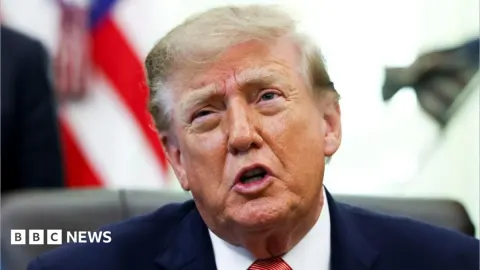
Adding a layer of geopolitical intrigue, recent bilateral talks between Donald Trump and French President Emmanuel Macron were described as "a bit tense" by a European Union official. Notably, Trump reportedly dismissed EU support for the recent "Iran framework agreement," asserting that he didn't need Europe's help. This revelation underscores the persistent divergence in transatlantic approaches to Iran and signals potential challenges for any future comprehensive deal or the enforcement of existing understandings. For Iranian readers, these developments in U.S. politics are critical, as they offer insights into the future direction of American foreign policy, the potential for renewed pressure or engagement, and the stability of any agreements that involve Tehran. The shifting political currents in the U.S. directly influence economic expectations, trade prospects, and the overall climate of confidence surrounding Iran's international relations.
Middle East Crude Markets Signal Easing Tensions Amid Iran Deal Hopes
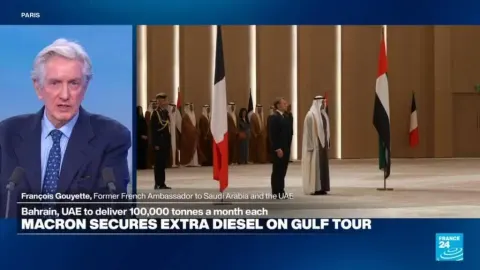
The Middle East crude oil market is showing significant signs of easing supply concerns, with key benchmark grades Dubai and Murban crude flipping into contango for the first time since late February. This market structure, where future prices are higher than current spot prices, typically indicates an improving supply outlook and reduced immediate demand pressure. The shift comes as hopes for a U.S.-Iran deal are reportedly growing, leading to expectations that crude supply from the region, a major global oil exporter, could begin to recover soon. This development signals a potential reduction in the geopolitical risk premium that has previously kept oil prices elevated.
The optimism surrounding a potential U.S.-Iran agreement has had a tangible impact on broader markets, including Iran's domestic currency and gold. In the last 24 hours, the Iranian Toman saw a notable strengthening against the U.S. Dollar, with USD/IRR moving from 158,600 to 155,900, representing a 1.7% decline for the dollar. Similarly, the price of 18k gold per gram fell by 1.8% from 16,672,284 to 16,375,178 Toman, while the Emami coin experienced a sharper drop of 4.5%, from 167,000,000 to 159,500,000 Toman. These movements suggest that market participants are factoring in reduced regional tensions and the potential for increased oil exports or economic stability stemming from diplomatic progress. The prospect of an improved economic outlook often leads to a strengthening of the local currency and a decrease in the demand for traditional safe-haven assets like gold and coins.
Persistent Threat of Naval Mines in Gulf Shipping Lanes
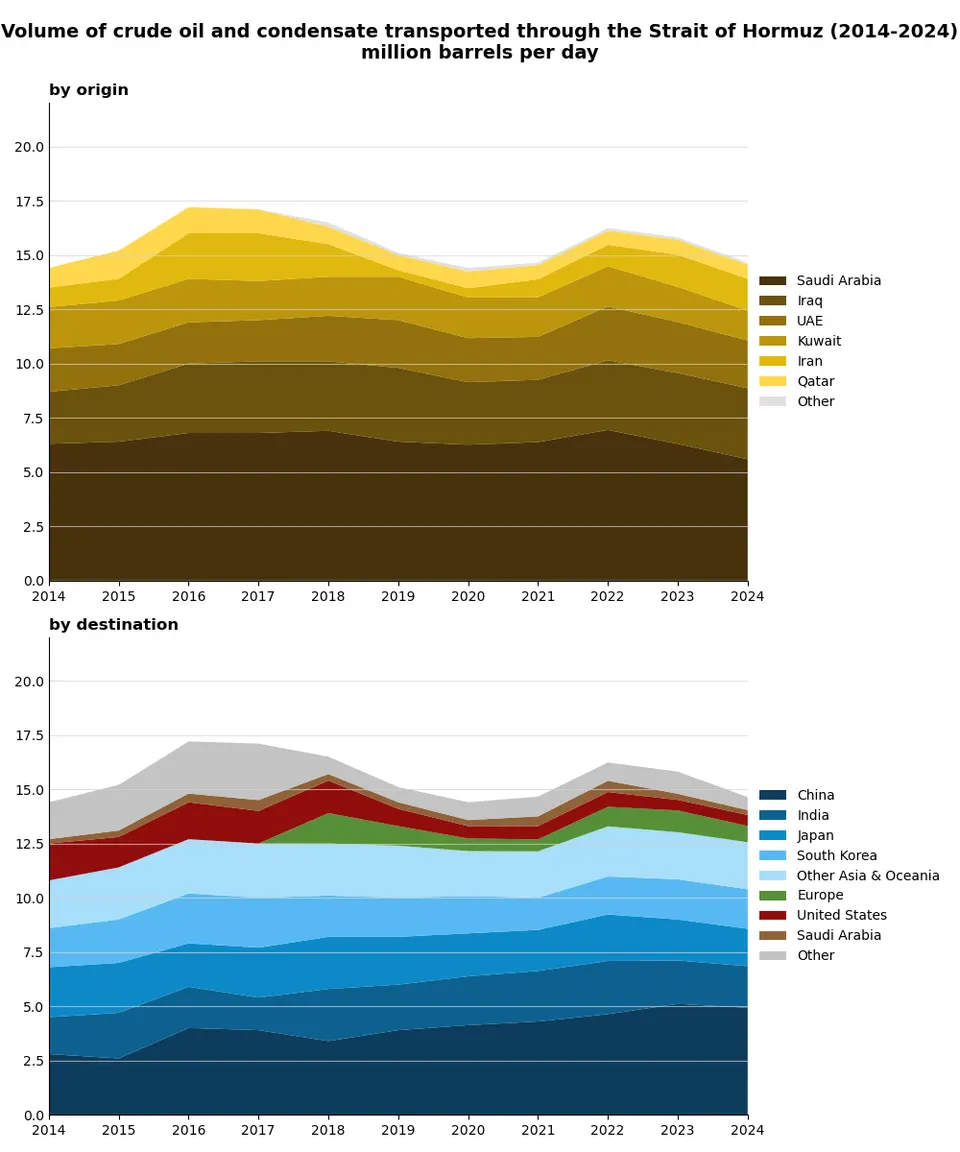
Despite evolving diplomatic discussions and hopes for regional de-escalation, the persistent threat of naval mines in the Gulf shipping lanes remains a critical concern for international trade and energy security. The U.S. Navy is reportedly deploying a new generation of drone-based countermeasures, specifically designed to search the seafloor and surface for any mines that Iran may have laid. This ongoing military effort underscores the strategic importance of the Gulf and the Strait of Hormuz, a vital chokepoint for global oil and gas shipments, and highlights the underlying tensions that continue to simmer beneath the surface of diplomatic overtures.
The presence of naval mines, whether active or residual from past conflicts, poses a severe risk to commercial vessels and can significantly disrupt global supply chains. For Iran, maintaining open and secure shipping lanes is paramount for its own trade and economic stability. Any incident involving mines could trigger a sharp increase in insurance premiums, reroute shipping, and dramatically impact commodity prices, particularly oil. This ongoing concern serves as a stark reminder that even with progress on a potential U.S.-Iran deal, the region's security infrastructure and historical flashpoints require continuous vigilance and investment in defensive measures, directly affecting the confidence of global investors and trading partners.

Frequently Asked Questions
How does the Sir Jeffrey Donaldson trial in the UK relate to Iranian readers?
What do the US primary elections signify for Iran and global policy?
How have Middle East crude markets and the Iranian Toman reacted to recent news?
What is the ongoing concern regarding naval mines in the Gulf?
Understanding Economic Sanctions: The Case of Iran
Economic sanctions are a powerful foreign policy tool, designed to pressure a target country into changing its behavior without resorting to military force. These measures can range from trade restrictions and financial penalties to travel bans. The United States has extensively used sanctions against Iran, primarily in response to its nuclear program, support for regional proxies, and human rights concerns. These sanctions aim to limit Iran's access to international markets and financial systems, thereby constraining its economic capacity and influencing its strategic decisions.
The mechanisms of these sanctions are multifaceted. Key targets include Iran's oil sector, which is the country's primary source of foreign currency revenue. By restricting Iran's ability to export oil and gas, the sanctions significantly reduce its income. Furthermore, financial sanctions block Iran's access to the global banking system, including the use of the U.S. dollar and the SWIFT messaging network, making international trade and investment exceedingly difficult. These measures create a complex web of restrictions that isolate Iran from the global economy.
The domestic impact within Iran is profound. The severe reduction in oil revenues and foreign currency inflows leads to a significant depreciation of its national currency, the Toman. This devaluation fuels high inflation, eroding the purchasing power of ordinary citizens and making imported goods more expensive. As a result, the cost of living rises, and the economy faces stagnation or contraction. Gold prices often surge as citizens seek a hedge against inflation and currency instability, reflecting a loss of confidence in the national currency.
Globally, U.S. sanctions on Iran have ripple effects, particularly on energy markets. When Iranian oil exports are curtailed, it removes a substantial supply from the global market, potentially leading to higher crude oil prices. This can impact energy costs worldwide and contribute to global inflation. Additionally, the geopolitical tensions surrounding sanctions and Iran's responses can heighten concerns about Gulf shipping security, affecting international trade routes and insurance costs. The ongoing debate around the Iran nuclear deal (JCPOA) and its potential revival or further collapse directly ties into the future of these sanctions and their global implications.