Trump at G7: Ukraine 'No Impact' on US as Iran Deal Takes Center Stage; Markets Dive on Hormuz Reopening
ترامپ در G7: جنگ اوکراین 'بیتاثیر' بر آمریکا؛ توافق ایران کانون توجه؛ بازارها با بازگشایی هرمز سقوط کردند
President Trump's G7 comments on Ukraine's limited impact on the US coincided with a preliminary US-Iran deal, setting the stage for crucial talks on Friday. This diplomatic progress has sent markets reeling, with oil prices dropping and the Toman strengthening as the Strait of Hormuz reopens, though regional stability in Lebanon remains fragile.
At time of publishing
USD
152,900
Toman
Gold 18K
16.06M
Toman / gram
Bitcoin
$65,719
US Dollar
Tether
154,658
Toman
Trump's G7 Stance and the Iran Deal Horizon
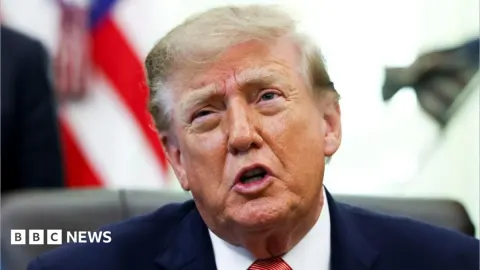
At the G7 Summit, President Trump asserted that the Ukraine war has had "no impact" on the U.S., a statement made amidst a seemingly lighter mood following a preliminary deal reached between the United States and Iran. This significant diplomatic breakthrough, which will see further negotiations commence immediately after a formal signing on Friday, is now setting the stage for future U.S.-Iran relations, even as Trump's remarks at the G7 underscore persistent divisions among global allies.
Trump's downplaying of the Ukraine conflict, a key concern for European allies, highlights a potential divergence in strategic priorities within the G7. This stance, coupled with the backdrop of the preliminary Iran deal, suggests a complex and evolving U.S. foreign policy. The deal itself aims to de-escalate tensions and potentially reshape regional stability, with Iran’s foreign minister confirming that new negotiations would start promptly after Friday's signing. This rapid progression indicates a strong commitment from both sides to move forward.
What this means for Iranian readers is that the upcoming signing on Friday and the subsequent "next round of talks" represent a pivotal moment, signaling a potential path towards reduced international isolation and economic relief. The market's immediate reaction—a strengthening Toman and falling gold prices—reflects this nascent optimism. However, Trump's G7 rhetoric also serves as a reminder that U.S. foreign policy can be unpredictable, and while the Iran deal offers hope, its long-term stability and broader geopolitical implications will depend on sustained diplomatic effort and the navigation of diverse international interests. The global order, as some analysts suggest, has already been permanently altered by the recent conflict, meaning a simple return to pre-conflict conditions is unlikely.
Lebanon's Fragile Quiet Amidst US-Iran Truce
A tenuous calm has settled over Lebanon following the preliminary US-Iran truce, yet deep skepticism persists among many Lebanese regarding the potential for lasting peace between Israel and Hezbollah. The agreement, while offering a respite from immediate hostilities, has left numerous critical questions about the region's future stability unanswered, perpetuating a climate of uncertainty.
The broader US-Iran preliminary deal, aimed at de-escalating regional tensions, has directly influenced the situation in Lebanon by facilitating a temporary cessation of hostilities. This move is a crucial step to prevent the conflict from broadening, but it does not address the fundamental ideological and territorial disputes that fuel the animosity between Israel and Hezbollah. Without comprehensive political resolutions and robust guarantees, a mere truce is perceived by the local populace as insufficient to ensure enduring peace, leading to widespread doubt and caution.
What this means for Iran and its regional proxies is that the stability in Lebanon is a critical indicator of the broader effectiveness and sincerity of the US-Iran preliminary agreement. Any flare-up in this volatile arena could swiftly undermine the fragile diplomatic progress made, potentially triggering renewed geopolitical risks, impacting shipping lanes, and reversing the positive market sentiment that has recently emerged. The unanswered questions highlight the enduring complexity of Middle Eastern geopolitics, where local conflicts are deeply intertwined with the strategies of larger regional and global powers, making sustained peace a challenging endeavor.
Markets Dive as Iran Deal Cuts War Premium
Global oil prices have plummeted, with crude falling over 4% to a three-month low below $80 per barrel, as traders rapidly factor out the "war premium" following the US-Iran agreement to reopen the Strait of Hormuz and lift the maritime blockade. This significant market shift has had a direct impact on Iranian domestic markets: the USD/IRR exchange rate moved from 158,600 to 152,900 (-3.6%), 18k gold per gram dropped from 16,672,284 to 16,063,068 (-3.7%), and the Emami coin saw a substantial decrease from 167,000,000 to 158,000,000 (-5.4%) within 24 hours.
The preliminary US-Iran deal, particularly the commitment to normalize shipping through the Strait of Hormuz, directly impacts global energy supply and geopolitical risk assessment. The expectation of increased oil flows and reduced regional instability has led to a sharp decline in crude prices. Domestically, the perceived de-escalation and potential for improved international trade have significantly boosted confidence in the Iranian Toman, leading to its appreciation against the dollar. The corresponding falls in gold and coin prices reflect a shift away from safe-haven assets as the immediate risk of conflict diminishes.
For Iranian citizens and businesses, the strengthening Toman and falling gold prices offer a glimmer of hope for reduced inflationary pressures and potentially greater purchasing power. Lower global oil prices could also stabilize the domestic economy, although the full extent of these benefits hinges on the consistent implementation of the deal and the lifting of broader sanctions. While oil is expected to move through Hormuz, MarketWatch points out that other vital products like fertilizer might still face hurdles, suggesting that a complete return to normal trade routes and full economic integration will require ongoing diplomatic efforts and time.
European Parliament Greenlights Trump-Era Tariff Deal
The European Parliament has finally approved the tariff agreement initially struck with former President Donald Trump nearly a year ago. This crucial decision was made just days ahead of a looming July 4th deadline, which carried the explicit threat of increased U.S. tariffs if the deal remained unsanctioned.
The approval of this long-pending tariff deal was paramount to prevent a potential escalation of trade tensions between the United States and the European Union, two of the world's largest economic blocs. Faced with the direct consequence of higher tariffs under the Trump administration's previous demands, MEPs prioritized economic stability and the preservation of existing trans-Atlantic trade relationships. This move underscores the enduring legacy of Trump-era trade policies and the continued need for global powers to navigate complex economic protectionism, even as new diplomatic initiatives, such as the Iran deal, unfold.
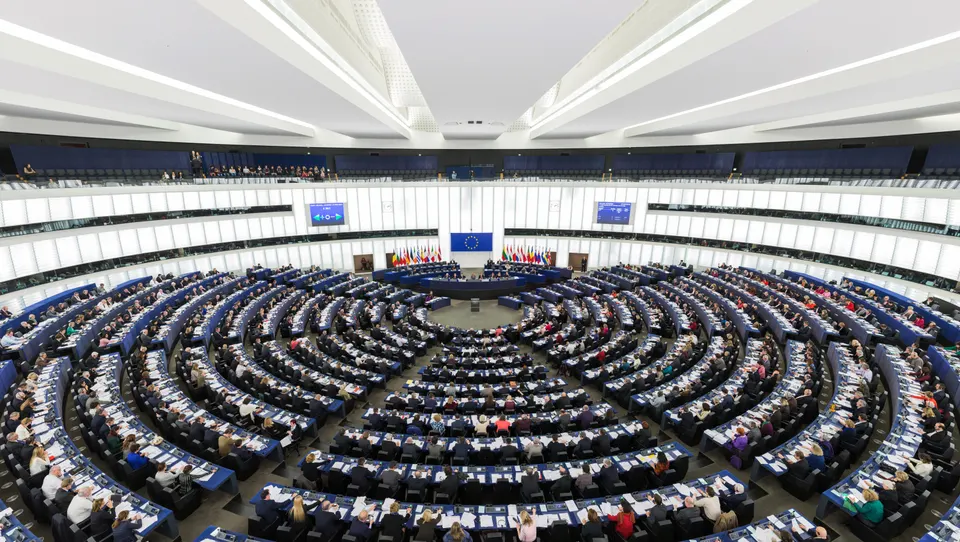
What this means is that this development highlights the persistent fragility of global trade dynamics and the lasting impact of protectionist measures on international commerce. For the broader global economy, the parliament's decision prevents immediate trade hostilities between the U.S. and Europe, offering a degree of predictability for businesses and supply chains. For nations like Iran, which operate under significant international trade restrictions, this scenario demonstrates how major economic powers continuously recalibrate their trade agreements, indirectly influencing global demand, commodity markets, and overall risk appetite. It reinforces the idea that economic stability is a constant negotiation, even among traditional allies.
Frequently Asked Questions
What is the significance of President Trump's remarks at the G7 Summit regarding the Ukraine war?
How has the preliminary US-Iran deal affected global and Iranian markets?
Why is the situation in Lebanon still considered 'fragile' despite the US-Iran truce?
What are the next steps for the US-Iran deal after the preliminary agreement?
What is the impact of the European Parliament's approval of the Trump-era tariff deal?
The Strait of Hormuz: Global Oil's Critical Chokepoint
The Strait of Hormuz is arguably the world's most critical maritime chokepoint for oil transport, a narrow waterway connecting the Persian Gulf to the Arabian Sea and beyond. Geographically, it's a mere 21 nautical miles (39 kilometers) wide at its narrowest point, yet through this constricted passage flows a disproportionately large share of the world's seaborne crude oil and liquefied natural gas (LNG). Its strategic location makes it indispensable for major oil producers in the Middle East, including Saudi Arabia, Iran, UAE, Kuwait, and Iraq, to export their energy resources to global markets.
The sheer volume of energy commodities passing through the Strait underscores its immense importance. Estimates suggest that between 20% and 30% of the world's total petroleum liquids consumption, and a significant portion of global LNG, transits this waterway daily. Any disruption, perceived threat, or actual blockage of the Strait of Hormuz can send immediate shockwaves through international oil markets, causing crude oil prices to spike dramatically. This volatility directly impacts global economic stability, influencing everything from fuel costs for consumers to the operational expenses of industries worldwide.
Given its strategic significance, the Strait of Hormuz is frequently at the epicenter of geopolitical tensions. Disputes, diplomatic impasses (such as those surrounding the Iran nuclear deal), or military posturing in the region often raise concerns about the Strait's security. These anxieties are quickly reflected in global commodity markets, as traders and investors price in the potential for supply disruptions. Even the perception of increased risk can lead to higher insurance premiums for tankers, longer shipping routes (if alternative, less efficient paths are sought), and ultimately, higher energy prices. Understanding the Strait's role is crucial for comprehending the intricate relationship between geopolitics, energy security, and global economic stability.