US-Iran Tensions Escalate with Retaliatory Strikes; Bitcoin Dips as UK Voters Demand Accountable Politicians
تشدید تنشها بین آمریکا و ایران با حملات تلافیجویانه؛ بیتکوین سقوط کرد، در حالی که رأیدهندگان بریتانیایی خواستار سیاستمداران پاسخگو هستند
Geopolitical tensions in the Middle East have escalated significantly, with Iran launching retaliatory strikes following earlier US actions, causing Bitcoin to dip below $61,000. Meanwhile, a UK poll highlights a growing global demand for political accountability, showing voters are wary of candidates with offensive social media histories. These events underscore a volatile global landscape, impacting markets and political discourse.
At time of publishing
USD
176,100
Toman
Gold 18K
18.18M
Toman / gram
Bitcoin
$61,226
US Dollar
Tether
177,240
Toman
Public Scrutiny Shapes Politics: Makerfield Poll Reflects Global Trend
A recent poll conducted in the UK constituency of Makerfield has revealed a significant shift in voter expectations, with a majority of constituents indicating they would be less likely to support an election candidate who has posted offensive content on social media. The survey, undertaken by Survation for the campaign group 38 Degrees, found that 55% of the 518 voters polled would be deterred by such online behavior. This finding underscores a growing public demand for higher standards of conduct and accountability from political figures, reflecting an evolving landscape where digital footprints increasingly influence electoral outcomes.
This trend, while specific to a UK by-election, resonates with a broader global movement towards increased scrutiny of public figures. In an interconnected world, where information spreads rapidly across digital platforms, politicians everywhere are under constant observation. For nations like Iran, which often face intense international scrutiny and where public discourse is heavily influenced by digital communication, such developments in Western democracies highlight the universal challenges of maintaining political legitimacy and public trust in the digital age. It suggests that the bar for acceptable political behavior is rising globally, potentially influencing diplomatic relations and the perception of leadership on the international stage.
US-Iran Escalation Deepens; Bitcoin Dips as Regional Tensions Mount
The geopolitical landscape in the Middle East has seen a worrying escalation following earlier US strikes. Iran has now launched retaliatory attacks, reportedly targeting Kuwait, Bahrain, and Jordan, broadening the scope of the conflict beyond the initial US response to the downing of an Apache gunship. This development marks a significant deepening of tensions, raising serious concerns about regional stability and the potential for a wider, more protracted confrontation in one of the world's most critical energy-producing regions.
The immediate market reaction was swift, with Bitcoin falling to $61,226 USD, reflecting investor apprehension towards increased geopolitical risk. While the USD/IRR exchange rate saw a minor dip from 176,300 to 176,100 Toman (-0.1%), and Gold 18k/gram remained stable at 18,184,126 Toman (+0.0%), the Emami coin experienced a slight decrease from 181,000,000 to 180,000,000 Toman (-0.6%). Such market movements underscore how quickly global events can ripple through diverse financial sectors, impacting everything from major cryptocurrencies to local gold and currency markets. For Iranian citizens, this heightened instability often translates into increased demand for hard currencies and precious metals as hedges against economic uncertainty.

UK Explores Public Electricity Procurement to Cut Household Bills
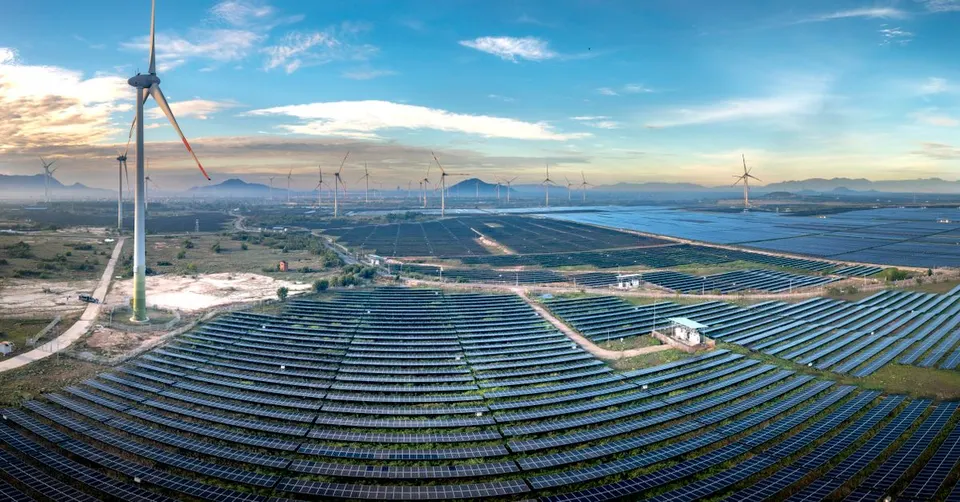
A new proposal from a UK thinktank suggests that public procurement of electricity could save households in Great Britain nearly £200 a year on their energy bills. The plan involves the government acting as a "single buyer" of power, purchasing electricity before reselling it to consumers. This strategy aims to decouple electricity prices from volatile global gas prices, which have significantly impacted consumer costs following recent surges in the international energy market.
This initiative represents a potential shift in energy policy, moving towards greater state intervention to stabilize essential service costs for citizens. It highlights a growing global trend among governments to find innovative ways to shield consumers from external economic shocks and address cost-of-living crises. For energy-exporting nations like Iran, or those with evolving energy markets, such policy discussions in major economies offer valuable insights into potential future directions for energy market regulation and consumer protection, potentially influencing international energy trade dynamics and pricing models.
Epstein Files Haunt US Politics as Mace Concedes in South Carolina
In a notable development in US domestic politics, Congresswoman Nancy Mace has conceded in the South Carolina gubernatorial primary race, attributing her defeat, in part, to the backlash surrounding the release of the Jeffrey Epstein files. Mace, a controversial figure, faced significant public scrutiny and political challenges, ultimately failing to secure her party's nomination despite a competitive race. Her concession highlights how historical controversies and their ongoing public revelations can have a profound and lasting impact on political careers.
This event underscores the enduring power of public information and the long-reaching consequences of scandals, even those with roots years in the past. The Epstein files, which detailed connections between the deceased financier and numerous powerful individuals, continue to reverberate through political circles, demonstrating the vulnerability of public figures to past associations and the intense scrutiny of public opinion. For an international audience, particularly in regions where political accountability is a frequent topic of discussion, this serves as a powerful example of how transparency, or the lack thereof, can shape political landscapes even within established democracies, offering a comparative perspective on the dynamics of political integrity and public trust across different systems.
Frequently Asked Questions
What is the latest development in the US-Iran tensions?
How have financial markets reacted to the US-Iran escalation?
What does the Makerfield poll reveal about voter behavior?
What is the UK's proposed electricity procurement plan?
Why is Nancy Mace's concession linked to the Epstein files?
How Electricity Costs and Geopolitics Shape Bitcoin Mining
Bitcoin mining is a process that secures the network and creates new coins by solving complex mathematical puzzles. Each puzzle requires powerful computer hardware that consumes a large amount of electricity, often comparable to the power usage of a small country. Because the profitability of mining hinges on the gap between the reward earned (in Bitcoin) and the cost of electricity, miners constantly seek the cheapest and most reliable power sources.
Geopolitical events, such as the escalation of US‑Iran tensions, can disrupt global energy markets. Sanctions, supply‑chain shocks, or sudden spikes in oil and gas prices raise electricity costs, especially in regions that rely on fossil‑fuel generation. When electricity becomes more expensive, miners may shut down or relocate to jurisdictions with cheaper energy, which can reduce the overall hash rate and trigger short‑term drops in Bitcoin’s price as market participants anticipate lower network security.
In the United Kingdom, political debates over energy policy and electricity procurement have become increasingly relevant for crypto miners operating there. Policies that promote renewable energy, impose carbon taxes, or alter wholesale electricity pricing directly affect the operating margins of mining farms. Voter demand for accountable politicians can accelerate reforms that either facilitate greener mining or increase costs, influencing where new mining facilities are built.
The interplay between energy policy, geopolitical risk, and cryptocurrency markets creates a feedback loop: higher energy costs can depress Bitcoin prices, which in turn may push miners to adopt more efficient hardware or shift to renewable energy sources. Understanding this dynamic helps investors and policymakers anticipate how external shocks—whether a conflict in the Middle East or a change in domestic energy regulation—might ripple through the crypto ecosystem.