Escalation in the Gulf: U.S. Strikes Iranian Targets After Apache Downed; Oil and Gold Markets Bracing for Impact
تنش در خلیج فارس: حملات سنگین آمریکا به اهداف نظامی در پاسخ به سرنگونی آپاچی؛ آمادهباش بازارهای جهانی
The fragile April ceasefire has collapsed overnight following the downing of a U.S. Apache helicopter. With retaliatory strikes hitting regional bases and oil prices breaching $92, the global economy is entering a high-risk phase.
At time of publishing
USD
176,100
Toman
Gold 18K
18.18M
Toman / gram
Bitcoin
$61,287
US Dollar
Tether
177,197
Toman
Market Open — The Calm Before the Storm?
As of Wednesday morning in Tehran, the domestic markets are showing a strange, cautious stillness despite the explosive headlines overnight. The US Dollar (USD/IRR) is trading at 176,100 Tomans, marking a slight decrease of 0.1% from yesterday's 176,300. This minor dip suggests that the market may be in a state of 'price freeze,' with traders waiting for the full geopolitical fallout to manifest before committing to new positions. Similarly, the Emami Gold Coin has seen a 0.6% drop, moving from 181,000,000 to 180,000,000 Tomans, reflecting a momentary liquidity crunch or perhaps a temporary shift toward cash as uncertainty peaks.
In the global arena, Bitcoin is struggling at $61,287, while Ethereum sits at $1,626.21. Gold, usually the ultimate safe haven, is facing its own headwinds despite the conflict, as institutional investors weigh regional war risks against hawkish signals from the Federal Reserve. For the Iranian reader, the stability of the 18k gold gram at 18,184,126 Tomans provides a thin veil of normalcy, but the underlying fundamentals suggest that the next 48 hours could see significant volatility as global energy and currency markets digest the overnight strikes.
From Skirmish to Strikes: The Return of Kinetic Conflict
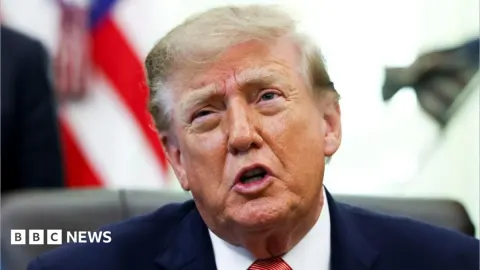
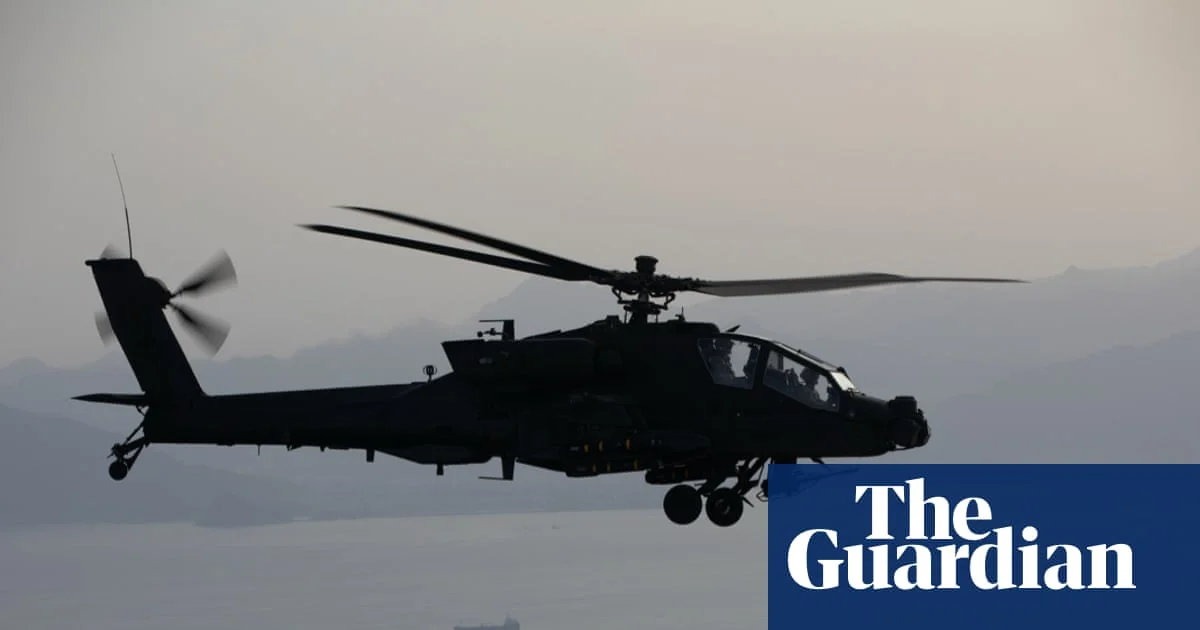
The geopolitical landscape shifted violently overnight. Following the downing of a U.S. Army Apache helicopter near the Strait of Hormuz, President Donald Trump authorized what the Pentagon described as "self-defense strikes" against Iranian air defense systems, ground control stations, and surveillance facilities. This move effectively ends the shaky ceasefire established in April and places the region on the brink of a broader military confrontation. The U.S. administration was quick to blame Tehran for the loss of the gunship, though the crew was reportedly rescued by a drone in a high-stakes operation near the world's most critical oil chokepoint.
In immediate retaliation, Iran’s Revolutionary Guards Corps (IRGC) announced that it had targeted several airbases hosting U.S. forces, specifically mentioning facilities in Jordan, Kuwait, and Bahrain. This broad response indicates that Tehran is willing to escalate horizontally, involving regional neighbors to increase the cost of U.S. intervention. Analysts suggest that if Washington is unwilling to engage with Iranian demands regarding sanctions relief, these "tit-for-tat" exchanges could spiral beyond the control of diplomatic channels, leading to a military conflict under far less favorable conditions than previously seen.
For the Iranian public and local businesses, this escalation is the single most important factor for the coming weeks. While the immediate market reaction in Tehran has been muted, the history of such conflicts suggests that supply chain disruptions and a heightened risk premium on the Toman are almost inevitable. The international community, including leaders like Australia's Anthony Albanese, has already expressed deep concern over the economic ripple effects, noting that the world is impacted by this conflict "each and every day" through trade and energy costs.
Energy Markets on Edge: The $100 Oil Spectre Returns
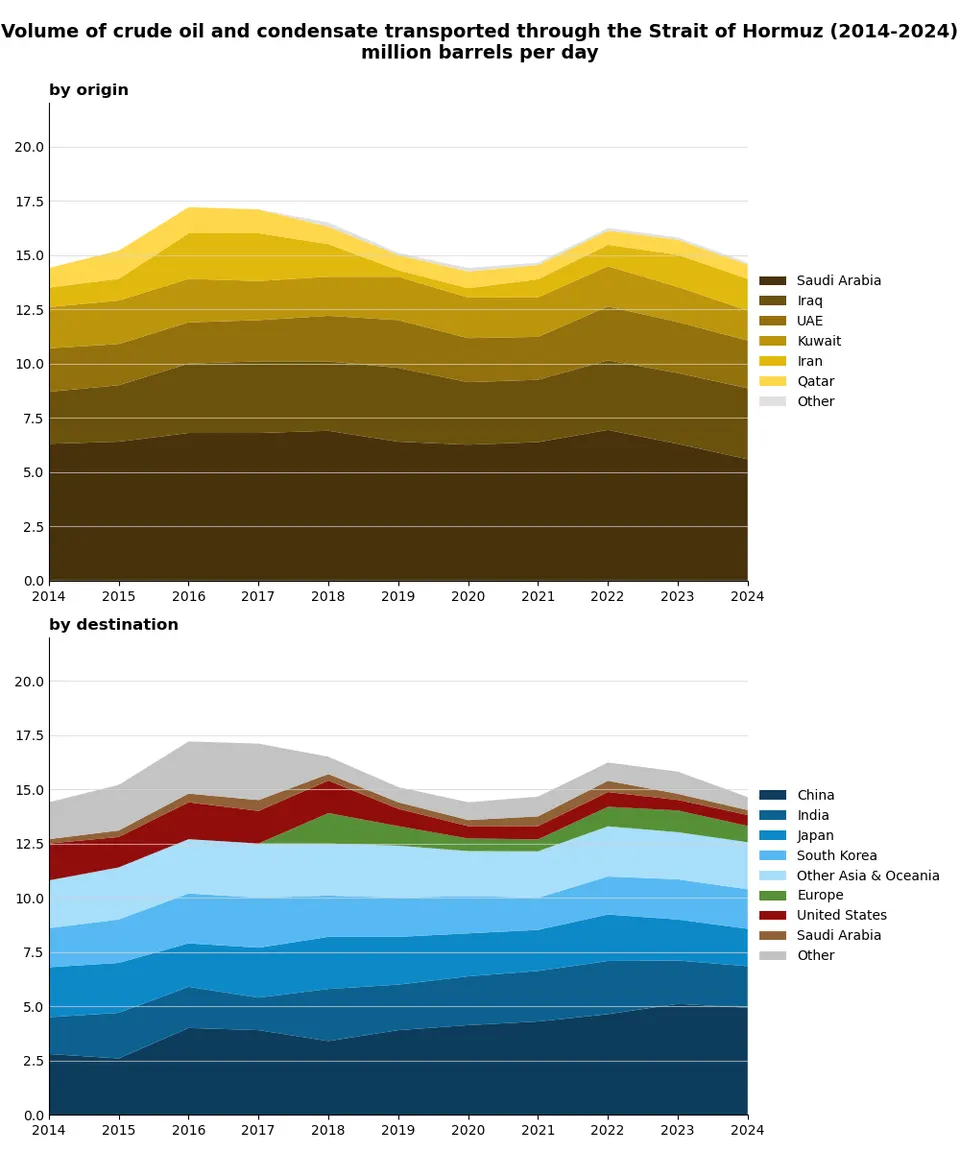
Oil prices reacted predictably and sharply to the news of the strikes. Brent crude jumped over 1% in early Asian trading, reaching $92.39 per barrel, while West Texas Intermediate (WTI) climbed to $89.00. This price action comes at a time when the oil futures market was already showing signs of a massive disconnect from reality. For months, traders had held onto hopes of a peace deal, even as nearly 13 million barrels per day (bpd) were effectively wiped off the global supply map due to the ongoing issues surrounding the Strait of Hormuz and regional instability.
This spike is more than just a reaction to a single helicopter downing; it is a realization that the global energy supply is more fragile than the models predicted. With U.S. Central Command actively striking Iranian military targets, the risk of a total blockade or sustained disruption in the Persian Gulf is now a primary concern for global refineries. If the conflict persists, analysts warn that the "peace dividend" priced into current oil contracts will evaporate, potentially pushing Brent toward the $100 mark, which would trigger a new wave of global inflationary pressure.
Crypto and Global Risk: The "Trump Pump" Hits a Wall
In the financial world, the narrative of Bitcoin as a safe haven is being tested and, so far, found wanting. Bitcoin and gold have begun to fall in tandem as investors retreat to the ultimate safety of the U.S. Dollar. The relief rally that followed last week's lows is quickly unwinding. Interestingly, data shows that U.S.-listed spot Bitcoin ETFs are currently no larger than they were when Donald Trump won the election in November 2024. This stagnation suggests that the massive influx of institutional capital many expected has hit a ceiling, or at least a significant pause, as geopolitical reality sets in.
The correlation between tech stocks and crypto remains high, and as traders brace for a potentially hawkish Federal Reserve and new inflation data, the appetite for high-risk assets like BTC is dwindling. For Iranian crypto holders, this means the price of USDT—which currently stands at 177,197 Tomans—is becoming more important than the price of Bitcoin itself. As the global "risk-off" sentiment grows, the demand for stablecoins as a hedge against domestic currency volatility is expected to rise, even if the underlying crypto market remains bearish.
Frequently Asked Questions
Why did the U.S. launch strikes against Iranian targets now?
How has the oil market reacted to the military escalation?
Is Bitcoin acting as a safe haven during this conflict?
What is the immediate impact on the Iranian Toman?
Why the Strait of Hormuz Matters: The World’s Most Critical Oil Chokepoint
The Strait of Hormuz is a narrow waterway—only about 21 nautical miles wide at its narrowest point—that links the Persian Gulf with the Gulf of Oman and the open ocean. Roughly 20% of the world’s daily oil consumption passes through this corridor, making it a strategic bottleneck for global energy supplies. Because the strait sits between Iran and the United Arab Emirates, any military confrontation in the region can instantly threaten the flow of crude, prompting swift reactions in oil futures, Brent crude prices, and even secondary markets like gold and Bitcoin.
When a conflict escalates, as it did after the downing of a U.S. Apache helicopter in June 2026, the risk of a deliberate blockage or accidental spill rises dramatically. Shipping companies may reroute vessels around the Cape of Good Hope, adding weeks to transit times and thousands of dollars to freight costs. These logistical disruptions feed directly into higher spot prices for oil, which in turn push the U.S. dollar higher and affect exchange rates such as the USD/IRR pair. Investors often hedge against this uncertainty by buying gold or, more recently, cryptocurrencies, creating the “war‑driven price spikes” seen in recent weeks.
Historically, the strait has been a flashpoint: during the 1980s Iran‑Iraq war, Iran mined the waterway, and in 2019 a series of missile attacks on oil tankers led to a brief but sharp surge in Brent crude to over $100 per barrel. Each episode underscores how fragile the supply chain is and why governments maintain naval patrols and diplomatic channels to keep the passage open. Understanding the mechanics of this chokepoint helps explain why even a single incident can ripple through global markets, influencing everything from gasoline prices at the pump to the valuation of digital assets.
For policymakers, the lesson is clear: stability in the Hormuz corridor is not just a regional concern but a cornerstone of worldwide economic health. Energy‑dependent economies monitor the strait’s status minute‑by‑minute, and any perceived threat can trigger pre‑emptive moves in futures markets, central bank policy discussions, and sovereign wealth fund allocations. In short, the Strait of Hormuz is a barometer of geopolitical risk that directly shapes the price of oil, the strength of the dollar, and the appetite for alternative stores of value.