Iran Warns IAEA as Bahrain Blast Rocks Manama; Belfast Riots Simmer
ایران به آژانس هشدار داد؛ انفجار در بحرین، منامه را لرزاند؛ ناآرامیهای بلفاست ادامه دارد
Iran has issued a stern warning to the IAEA, accusing the US of seeking to politicize the agency, as tensions rise following an explosion in Bahrain attributed to Iranian action. Meanwhile, unrest continues in Belfast, with authorities describing the riots as 'race-based'.
At time of publishing
USD
176,100
Toman
Gold 18K
17.78M
Toman / gram
Bitcoin
$61,456
US Dollar
Tether
177,650
Toman
Iran Warns IAEA Against 'Political Tool' Amidst Rising Regional Tensions
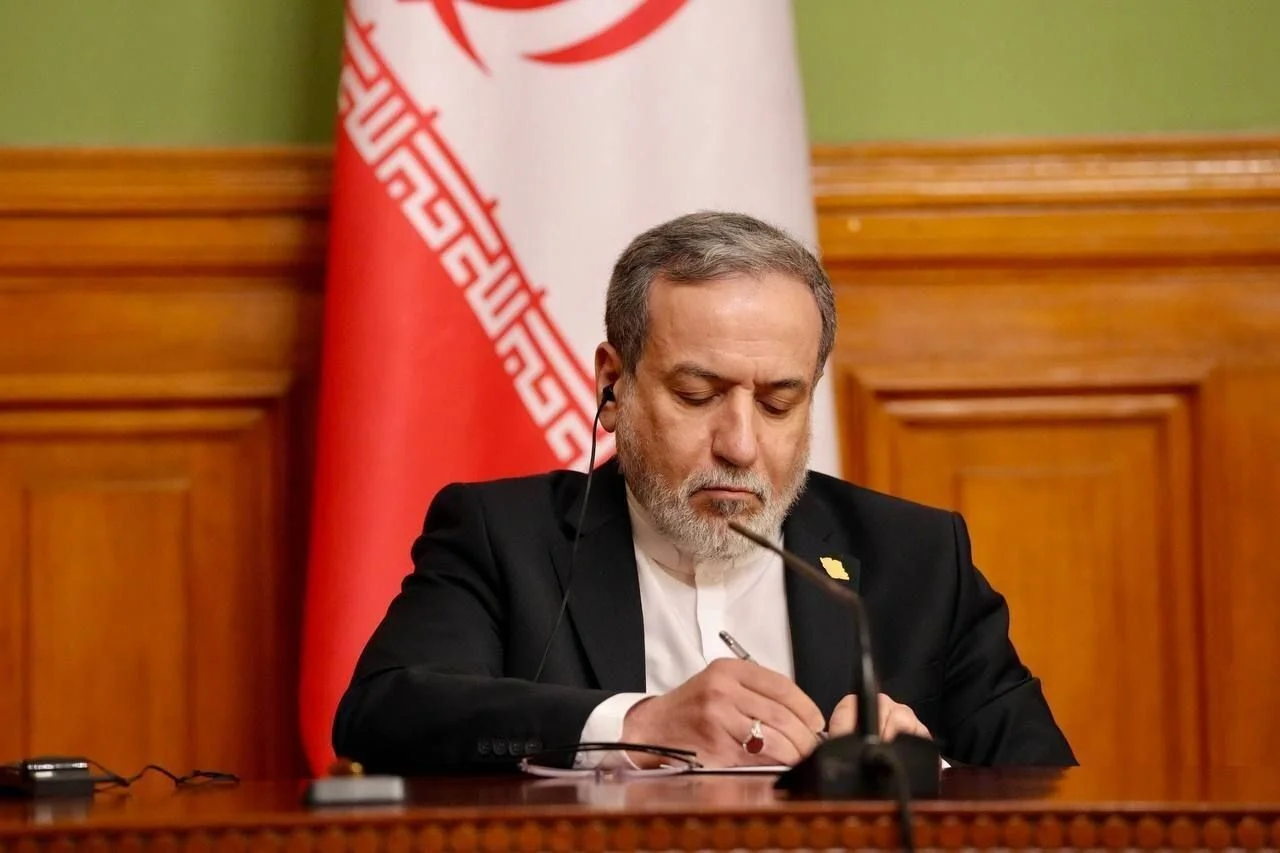
Iranian Foreign Minister Abbas Araghchi has issued a strong admonishment to the International Atomic Energy Agency (IAEA), urging its Board of Governors to resist being manipulated into becoming a political instrument for the United States. This warning comes amidst a reported push by Washington for an anti-Tehran resolution at the agency. Araghchi's statement underscores Iran's deep-seated distrust of Western intentions regarding its nuclear program and its readiness to defend its sovereignty.

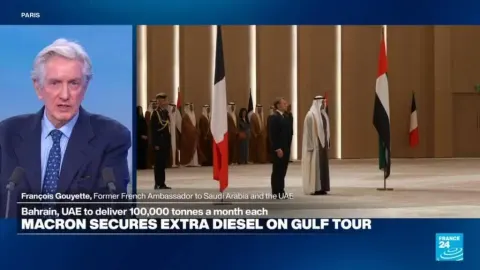
This diplomatic maneuvering is occurring against a backdrop of heightened regional instability. Reports indicate an explosion in Bahrain's capital, Manama, with CCTV footage capturing the event. While authorities are pointing fingers towards Iran for a missile strike, Tehran maintains its right to respond to any "aggression." The dual pressures – diplomatic at the IAEA and a potential military escalation in the Gulf – place significant strain on Iran's international relations and its domestic economic outlook. For the average Iranian, such developments can translate into increased currency volatility and the specter of renewed sanctions, impacting everything from import costs to job security.
---
Bahrain Explosion Fuels Regional Fears; Iran Reserves Right to Retaliate
An explosion in Manama, Bahrain, has sent shockwaves through the region, with authorities swiftly attributing the incident to an Iranian missile strike. The event, captured on CCTV, marks a significant escalation in the already tense geopolitical climate. This alleged act of aggression, if confirmed and directly linked to Iran, would represent a direct challenge to regional stability and potentially draw further international condemnation and punitive measures against Tehran.
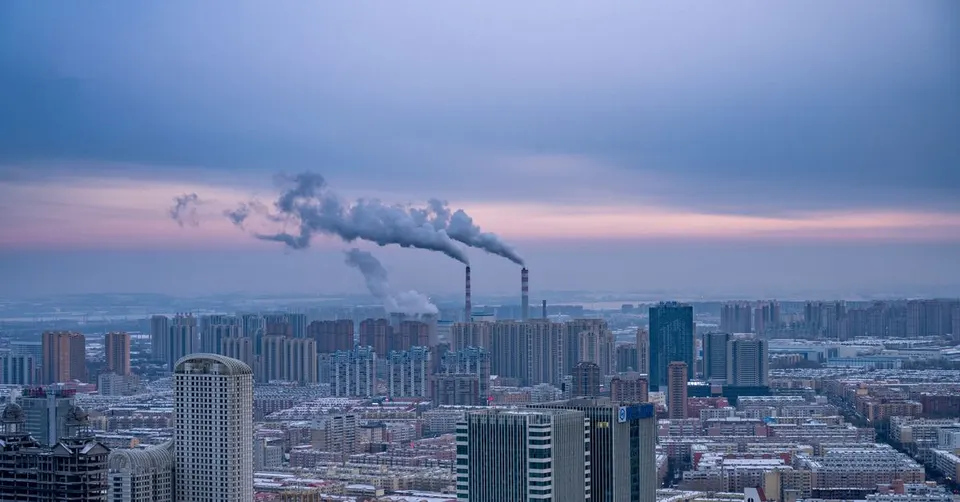
In response to such accusations and what it terms "aggression," Iran, through Foreign Minister Araghchi, has emphatically stated its reservation of the right to "legitimate defense" and a "reciprocal response." This stance highlights Iran's determination to deter perceived threats and assert its defensive capabilities. The implications for global energy markets and shipping routes, particularly in the Persian Gulf, are substantial. Any further escalation could lead to disruptions, increased insurance costs for vessels, and a renewed surge in oil prices, directly impacting the global economy and, by extension, the purchasing power of citizens worldwide, including those in Iran.
---
Belfast Riots Described as 'Race-Based Pogrom' Amidst Ongoing Disorder
Northern Ireland continues to grapple with significant civil unrest, with recent rioting in Belfast being described by a senior political figure as a "race-based pogrom." The Justice Minister, Naomi Long, stated that the disorder was "stoked by those who would struggle to find the city on a map," suggesting that external or ill-informed actors are exacerbating tensions. This characterization points to a deeply concerning element of racial incitement fueling the violence, moving beyond simple public disturbance to something more sinister.
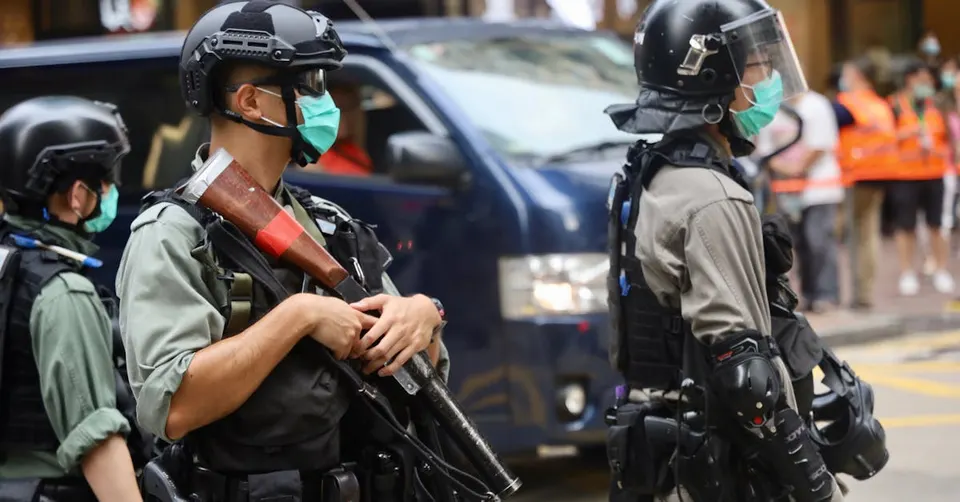
The situation has become a focal point for political commentary, with accusations leveled against individuals, including references to Elon Musk's alleged role in stirring up unrest online. A 30-year-old man has been charged with attempted murder in connection with a stabbing attack that appears to have precipitated some of the rioting. The ongoing instability in Belfast, while seemingly a localized issue, reflects broader anxieties about social cohesion, the impact of online misinformation, and the potential for localized conflicts to ignite wider political discourse. For observers of global markets, such incidents can contribute to a general increase in perceived geopolitical risk, potentially impacting investor confidence and currency markets, particularly in regions perceived as less stable.
Frequently Asked Questions
What is Iran's primary concern regarding the IAEA?
What was the nature of the incident in Bahrain?
How are the riots in Belfast being described?
What is the current status of the USD/IRR exchange rate?
Have gold prices changed significantly?
Geopolitical Risk and its Impact on Global Markets
Geopolitical risk refers to the potential for political events, conflicts, or instabilities in one region to have far-reaching economic and political consequences globally. These risks can stem from a variety of sources, including international disputes (like the tensions between Iran and the IAEA over nuclear inspections), regional conflicts (such as the explosion in Bahrain), or internal social unrest (like the riots in Belfast). The common thread among these diverse events is their capacity to introduce uncertainty and unpredictability into the international landscape.
The primary impact of heightened geopolitical risk is the creation of fear and uncertainty among investors, businesses, and consumers. When the future political and economic environment becomes less predictable, decision-makers tend to become more cautious. This uncertainty can disrupt supply chains, alter trade relationships, and deter foreign investment, thereby slowing economic growth and potentially leading to broader instability.
Financial markets are particularly sensitive to geopolitical developments. In times of increased risk, investors often seek "safe-haven" assets, which are perceived to retain or even increase in value during periods of market turbulence. Gold is a classic example of a safe-haven asset, frequently seeing its price rise when global tensions escalate. Similarly, major stable currencies like the U.S. dollar can strengthen as capital flows away from riskier investments. Conversely, currencies of nations directly affected by instability, such as the Iranian Rial (USD/IRR showing its depreciation), often weaken significantly as confidence erodes and capital seeks safer havens elsewhere.
Understanding geopolitical risk is crucial because it highlights the interconnectedness of our world. Events occurring thousands of miles away, whether a diplomatic standoff or civil unrest, can ripple through global markets, influencing everything from energy prices to interest rates and investment decisions. For individuals and businesses alike, recognizing these dynamics allows for better preparedness and more informed decision-making in an increasingly complex global environment.