Markets Shudder as US-Iran Fire Exchange Escalates; EU Proposes Tightened Crypto Sanctions
لرزه بر اندام بازارها در پی تبادل آتش میان ایران و آمریکا؛ پیشنهاد تحریمهای جدید کریپتو در اروپا
Geopolitical tensions reached a boiling point as the US launched strikes on Iranian targets following the downing of an Apache helicopter. Global markets are reacting with volatility, while the EU moves to tighten the noose on Russia-linked crypto platforms.
At time of publishing
USD
176,100
Toman
Gold 18K
17.89M
Toman / gram
Bitcoin
$61,614
US Dollar
Tether
177,750
Toman
Military Escalation in the Gulf Triggers Global Market Anxiety
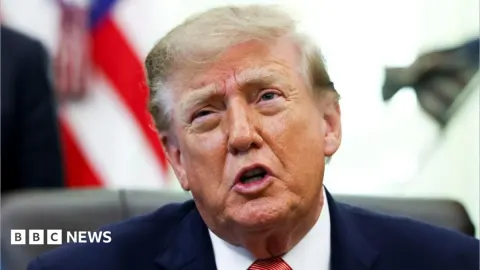
The geopolitical landscape shifted dramatically this morning following reports that the United States has launched targeted strikes against Iranian positions. This military action comes as a direct response to the downing of a U.S. Apache helicopter near the strategic Strait of Hormuz, an incident that President Trump confirmed earlier today. In Tehran, officials have not remained silent, claiming retaliatory attacks against the U.S. fleet in the region. This shift from what analysts previously called "strategic patience" to a doctrine of "swift and severe retaliation" suggests a dangerous new phase in Middle East stability that has immediate consequences for global trade routes.
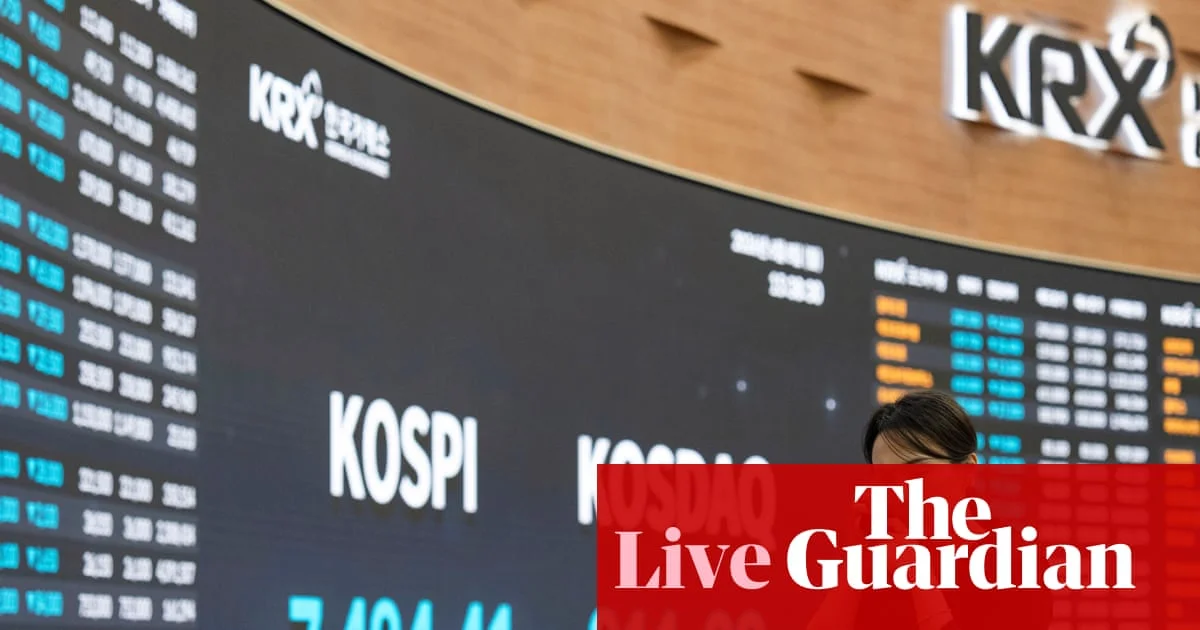
Investors reacted swiftly to the news of the fire exchange, causing Asian stock markets to dip during the morning session. While European markets opened relatively flat, the underlying tension is palpable as the world awaits a key U.S. inflation reading later today. The prospect of core CPI hitting 4.2%—a multi-year high—combined with rising oil prices due to the conflict, puts the Federal Reserve in an increasingly difficult position. For Iranian readers, while the USD/IRR rate showed a marginal decline from 176,300 to 176,100 (-0.1%), the underlying volatility suggests that the currency market is bracing for further geopolitical shocks that could disrupt traditional supply chains and trade financing.

Retail and Business Sector Braces for War-Driven Losses
The economic fallout of the conflict is already manifesting in the corporate sector, far beyond the immediate region. The retail giant WH Smith has issued a significant profit warning, citing a sharp decline in shopper numbers at international airports due to the escalating Middle East war. To combat the downturn, the company announced plans to raise £100 million to strengthen its balance sheet and shut down several unprofitable locations. This move highlights how localized military conflicts in 2026 now have immediate, quantifiable impacts on global travel and consumer behavior, forcing even established multinational firms to scramble for liquidity.
This trend is not limited to travel retail; the broader cost-of-living crisis is being exacerbated by opportunistic pricing and supply chain strain. For instance, Nike has come under fire for charging record prices for World Cup replica shirts, with adult versions hitting £95 amid a "striking" surge in manufacturing and logistics costs. As energy prices remain elevated due to the insecurity in the Persian Gulf, the cost of goods across the board is expected to stay high. In the domestic Iranian market, gold prices have already felt the tremor, with Gold 18k/gram moving from 18,184,126 to 17,893,254 Toman (-1.6%), reflecting a complex mix of global gold price movements and local demand shifts as investors seek safe-haven assets.
EU Targets Crypto Sanctions Amid Regional Instability
In the digital asset space, the European Commission is moving to expand its reach by proposing a full ban on crypto services from non-EU countries that host platforms helping Russia evade international sanctions. This policy response aims to close the loopholes that have allowed sanctioned entities to move capital across borders using decentralized networks. The proposal, if enacted, would force many offshore exchanges to choose between serving the European market or maintaining their ties to sanctioned jurisdictions. This regulatory pressure comes at a time when South Korean police are also intensifying their fight against crypto-enabled crimes, specifically targeting state-level threats from the DPRK.
Market sentiment in the crypto world remains fragile as these regulatory and geopolitical pressures mount. XRP has already seen a 4.5% drop, breaking key support levels at $1.13, as heavy selling volume suggests traders are moving toward more liquid or less risky positions. Bitcoin has also stalled below its key resistance levels, failing to find the momentum needed to break out of its current downtrend. For Iranian crypto enthusiasts, these developments mean that the premium on stablecoins like USDT (currently at 177,750 Toman) may remain high as the local market seeks a hedge against both domestic currency fluctuations and the risk of international platform restrictions.

Frequently Asked Questions
How has the US-Iran military exchange affected the USD/IRR rate?
Why is WH Smith issuing a profit warning due to the Middle East war?
What do the new EU crypto sanctions mean for international platforms?
Why did gold prices in Iran drop despite the geopolitical tension?
Why the Strait of Hormuz Is a Global Economic Flashpoint
The Strait of Hormuz, a narrow waterway between Iran and Oman, is one of the world’s most critical chokepoints for energy trade. Roughly 20% of the world’s petroleum—both crude oil and refined products—passes through this 21‑mile‑wide channel each day. Because the flow is so concentrated, any disruption—whether from military conflict, piracy, or even a temporary closure for maintenance—can instantly reverberate through global oil markets, spiking prices and creating ripple effects across currencies, equities, and commodities like gold.
Geopolitical tension between the United States and Iran often centers on the Strait, given Iran’s strategic leverage over the passage. When rhetoric escalates or incidents occur, traders price in a “geopolitical risk premium,” a sudden increase in expected future oil price volatility. This premium can push oil futures higher, strengthen the US dollar (as oil is priced in dollars), and depress the value of currencies tied to oil‑exporting economies, such as the Iranian rial (IRR). The heightened risk also fuels demand for safe‑haven assets, notably gold, which can see price jumps in response to the same news.
Sanctions amplify the economic impact. The U.S. and EU frequently employ primary and secondary sanctions that restrict Iran’s ability to sell oil or access the international financial system. When sanctions tighten, Iranian oil producers may resort to illicit shipping routes or barter deals, further unsettling markets. The EU’s recent proposal to extend crypto‑related sanctions illustrates how authorities are trying to close loopholes that could be used to evade traditional financial restrictions, showing the interconnectedness of geopolitics, sanctions, and emerging digital assets.
For investors, understanding the mechanics of the Strait of Hormuz helps decode sudden market moves. A flare‑up can trigger a cascade: oil price spikes, USD strength, emerging‑market currency depreciation, and a rally in gold and other safe‑haven assets. Conversely, a de‑escalation often leads to a rapid unwinding of these positions. Monitoring naval activity, diplomatic statements, and sanction announcements provides early warning signals for these dynamics.
In short, the Strait of Hormuz is not just a geographic narrowness; it is a linchpin of the global energy system whose stability—or lack thereof—can reshape financial markets worldwide within hours.