Iran's Oil Output Dips Amid Tensions; Global Markets Brace for Impact
کاهش تولید نفت ایران در بحبوحه تنشها؛ بازارهای جهانی خود را برای تاثیرات آماده میکنند
OPEC oil output has hit its lowest point since 2000, with a Reuters survey indicating that US actions are squeezing Iran's production. Meanwhile, French prosecutors are seeking charges against singer Patrick Bruel, and Donald Trump issued a warning to Tehran regarding stalled negotiations. These developments cast a shadow over regional stability and global markets.
At time of publishing
USD
178,100
Toman
Gold 18K
17.80M
Toman / gram
Bitcoin
$62,271
US Dollar
Tether
178,618
Toman
OPEC Oil Output Hits Multi-Decade Low Amid Iran Squeeze
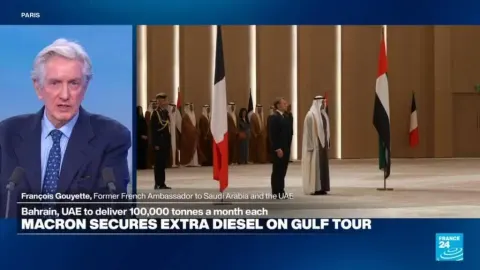
OPEC's crude oil production has fallen to its lowest level since at least the year 2000, according to a recent Reuters survey. The significant drop is attributed, in part, to the ongoing impact of US policies that are effectively squeezing Iran's oil output. This reduction in supply from a key producer comes at a time of heightened geopolitical tension in the Middle East, threatening to further destabilize already volatile energy markets. The survey highlights that while overall OPEC production has declined, the specific pressure on Iran suggests a targeted impact from international actions.
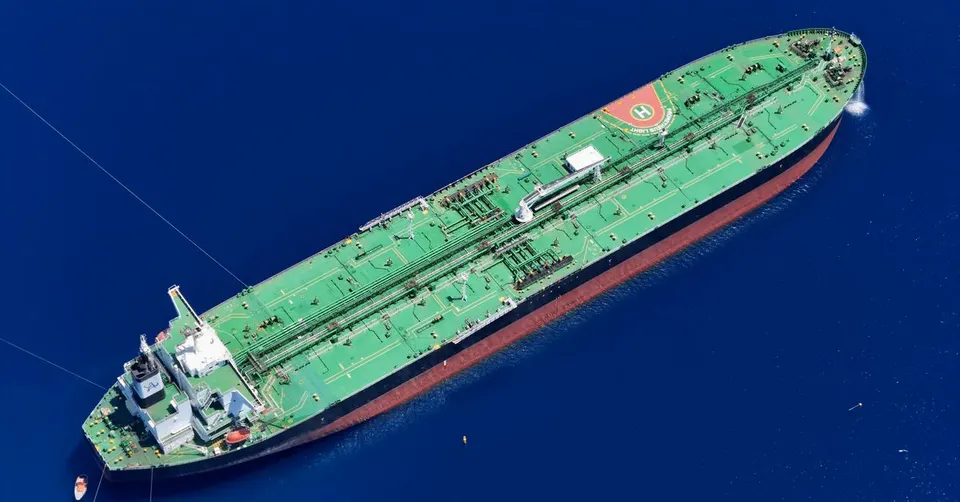
The implications of this diminished output are far-reaching. For global energy markets, it signals a potential for increased price volatility, especially if existing geopolitical risks escalate. Consumers could face higher fuel costs, and industries reliant on stable energy prices may experience significant disruptions. For Iran, a country already grappling with economic sanctions, a further reduction in oil revenue exacerbates its financial challenges and limits its capacity for essential imports and domestic investment. This situation underscores the delicate interplay between international politics, energy supply, and the global economy, with ripple effects felt across continents.
---
French Prosecutors Seek Charges Against Singer Patrick Bruel
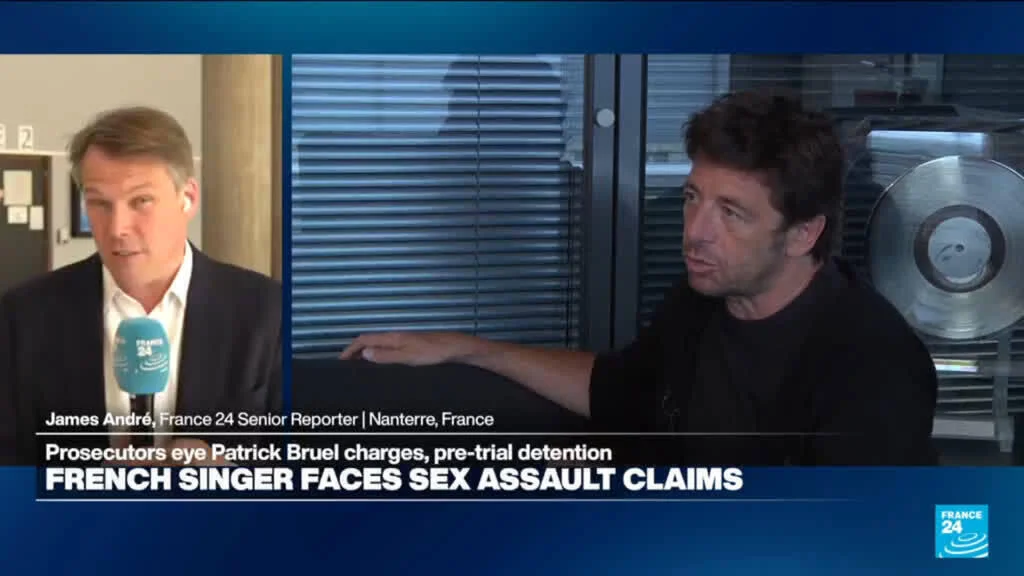
French prosecutors have announced their intention to charge the renowned singer and actor Patrick Bruel. The request includes placing him in pre-trial detention, following nine allegations of sexual abuse, including rape and sexual assault. Bruel, a prominent figure in French entertainment with a long career marked by chart-topping albums and numerous film roles, has consistently denied all accusations leveled against him. His case is the latest in a series of high-profile celebrities facing legal scrutiny in France, a trend amplified by the pervasive influence of the #MeToo movement.
This development follows similar legal proceedings against other major French cultural icons, notably the actor Gerard Depardieu, who received a suspended prison sentence for sexual assault. The ongoing investigations and subsequent legal actions against public figures signal a broader societal shift and a heightened demand for accountability within the entertainment industry and beyond. For Bruel, the potential charges represent a significant turning point in his career and personal life, while for French society, it continues a national conversation about consent, power dynamics, and justice for victims. The outcome of this case will likely further influence public discourse on these critical issues.
---
Trump Warns Iran on Stalled Negotiations, Signals Increased Pressure
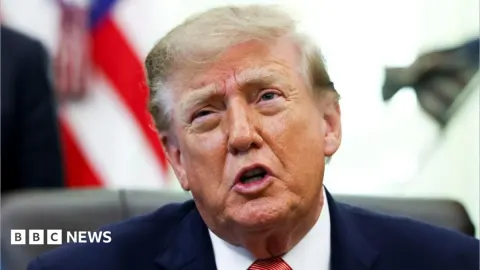
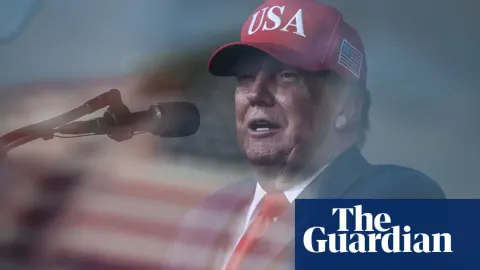
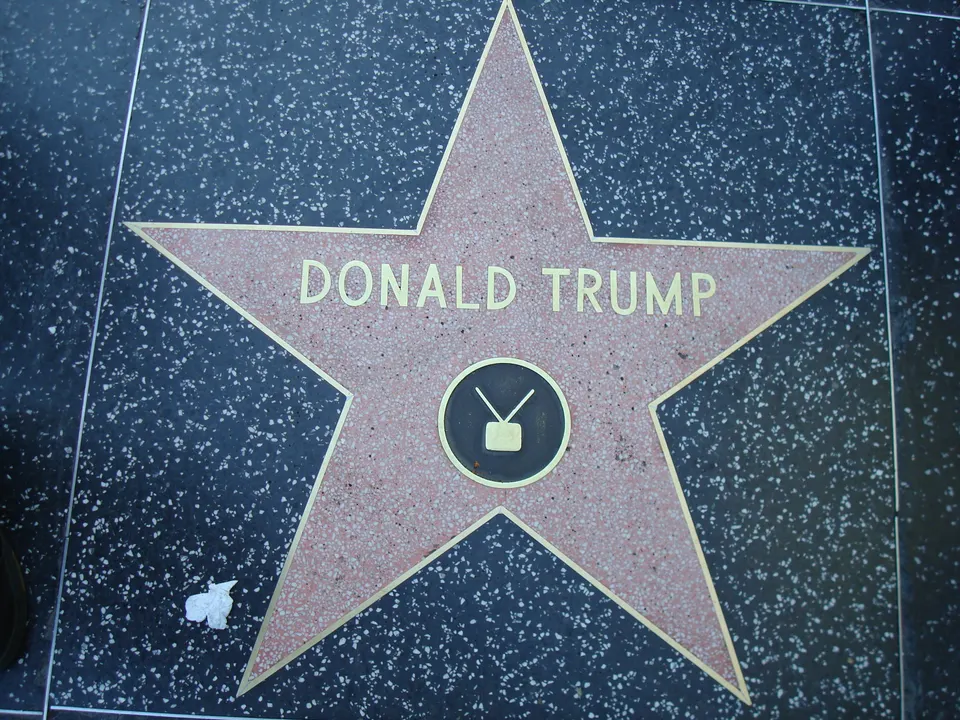
Former US President Donald Trump has issued a stern warning to Iran, stating that Tehran has "taken too long to negotiate a deal" and will "have to pay the price." This statement comes amid renewed exchanges of strikes in the region and reported efforts to continue diplomatic talks. Trump's assertion on social media suggests a hardening of the US stance, implying that any potential concessions or opportunities for negotiation may be diminishing rapidly. His rhetoric indicates a belief that Iran's current approach is dilatory and that a failure to reach an agreement swiftly will lead to escalated consequences.
The timing of Trump's warning is particularly significant, coinciding with ongoing geopolitical tensions and the Israeli Prime Minister Benjamin Netanyahu's own strategic calculations, especially with upcoming elections. The differing priorities between Washington and Tel Aviv regarding Iran have been noted, with the US seemingly seeking de-escalation to stabilize oil markets and manage domestic political pressure, while Israel may be focused on immediate security concerns. Trump's strong words could signal a potential shift towards more aggressive policies or sanctions if diplomatic avenues are perceived to be exhausted, directly impacting Iran's economy and its regional standing, with potential knock-on effects for global energy markets.
---
World Cup '26 Faces Unprecedented Geopolitical Complexities
As the FIFA World Cup 2026 approaches, experts are warning of unprecedented geopolitical complexities that the tournament organizers could "never have envisaged." Professor Simon Chadwick, a specialist in Afro-Eurasian sport, points to a confluence of factors including hard-line immigration policies, ongoing conflicts, diplomatic tensions, heightened security concerns, and civil unrest as significant challenges. These issues are not confined to the host nations but extend to the participation and presence of teams and individuals from politically sensitive regions.

The intertwining of sport and geopolitics is becoming increasingly evident, impacting everything from referee appointments to the presence of national teams and their supporters. Incidents such as the exclusion of a Somali referee and uncertainties surrounding Iranian football staff and fans highlight how global political dynamics are playing out on the sporting stage. For Iran, in particular, the World Cup presents a complex scenario where national pride is at stake, but the team's participation and the experience of its fans could be significantly influenced by international relations and security considerations. This situation forces FIFA and other sporting bodies to navigate a minefield of political sensitivities, where decisions can have far-reaching consequences beyond the realm of sport itself.
Watch
France prosecutors want singer Bruel charged over alleged sexual abuse • FRANCE 24 English
FRANCE 24 English
Frequently Asked Questions
What is the current state of OPEC oil production?
What are the allegations against Patrick Bruel in France?
What is Donald Trump's message to Iran regarding negotiations?
How are geopolitical factors expected to impact the 2026 World Cup?
What is the immediate market impact of the reduced OPEC output?
Understanding OPEC’s Production Quota System
The Organization of the Petroleum Exporting Countries (OPEC) is a cartel of oil‑producing nations that collectively decides how much crude each member may pump each month. This production quota system is designed to balance global supply and demand, stabilizing prices and protecting members’ revenues. When a member, such as Iran, faces sanctions or geopolitical tension, its quota may be reduced or its actual output may fall short, creating ripples through the global market.
OPEC’s quotas are not fixed forever; they are reviewed regularly at the organization’s bi‑annual meetings. The Secretariat gathers data on each country’s oil reserves, production capacity, and market conditions, then proposes a total output target for the group. That total is divided among members based on negotiated shares, which reflect both historical production levels and political bargaining power. The resulting numbers become each country’s official ceiling, though compliance varies.
Non‑compliance can trigger a “quota breach” and lead to penalties, such as reduced future allocations or public criticism. In practice, many members exceed their limits during periods of high price, while others—like Iran during heightened U.S. sanctions—produce below quota. The disparity between quota and actual output feeds into the geopolitical risk premium that traders add to oil prices, amplifying market volatility when tensions rise.
For oil‑importing economies, understanding OPEC’s quota mechanics helps explain sudden price spikes or drops that are not driven by pure supply‑demand fundamentals. It also clarifies why events far from the market—like a World Cup or a political scandal—can indirectly affect oil prices: they influence the political calculus within OPEC’s decision‑making bodies.
In short, OPEC’s production quota system is a central lever of the global energy market, shaping everything from gasoline prices at the pump to the fiscal health of oil‑dependent nations. Grasping its basics equips anyone watching the news to read between the headlines and anticipate how geopolitical twists may translate into market moves.