Trump Vows Harder Iran Strikes as Markets Dip on Geopolitical Fears
ترامپ وعده حملات سختتر به ایران را داد؛ بازارهای جهانی نگران تنشهای ژئوپلیتیکی
President Trump has intensified threats against Iran, vowing further "hard" strikes amid stalled peace talks, potentially escalating regional tensions. Meanwhile, chip stocks hit record highs while gold prices saw a notable dip, and the Toman experienced a significant sell-off against the USD.
At time of publishing
USD
178,800
Toman
Gold 18K
17.83M
Toman / gram
Bitcoin
$62,291
US Dollar
Tether
178,456
Toman
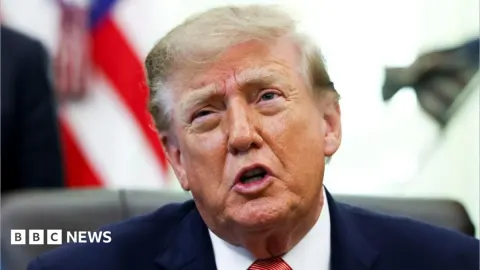
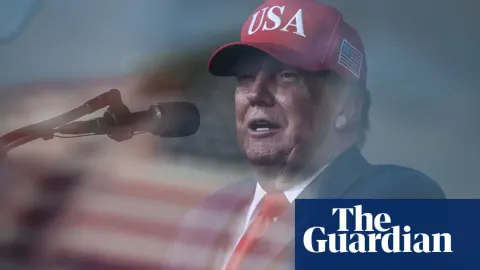
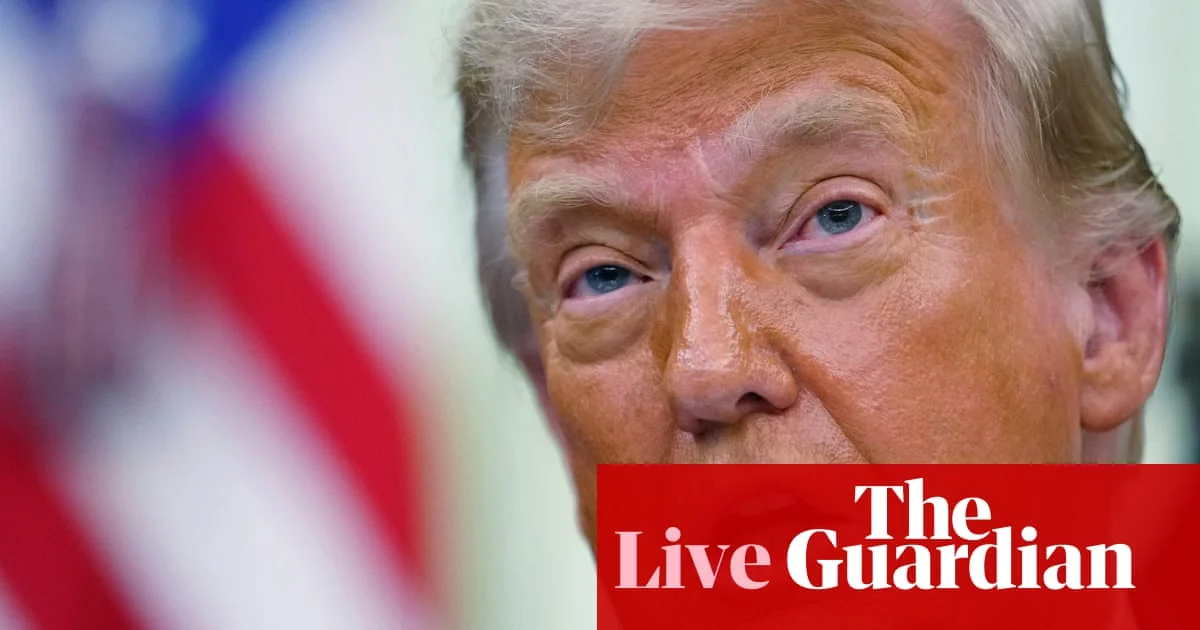
Trump Escalates Threats, Vows Further Strikes on Iran
President Trump has once again signaled an aggressive stance towards Iran, stating that the US will "hit Iran 'hard' again on Wednesday" and warning that Tehran "will have to pay the price" for perceived delays in reaching a deal. This rhetoric comes as peace talks appear to be faltering, with the President suggesting Iran is "playing us for suckers." The volatile approach, oscillating between predictions of peace and threats of renewed conflict, creates significant uncertainty regarding the future trajectory of US-Iran relations.
This hardening of US policy, as reported by outlets like The Guardian and BBC World, follows a pattern of escalating rhetoric and limited military exchanges. Analysts like Danny Citrinowicz of the Atlantic Council suggest that such confrontations can easily slide into wider conflict if Washington is unwilling to acknowledge Iran's demands on sanctions relief. The current situation highlights a dangerous dynamic where both sides possess the capability to trigger further escalation, potentially leading to a wider military conflict under less favorable conditions for the US.
---
Markets React to Geopolitical Uncertainty and Tech Boom
Global markets are showing mixed signals, with semiconductor stocks, including Applied Materials, reaching record highs, driven by robust demand for advanced chip technology. This surge in the tech sector contrasts sharply with broader market anxieties fueled by escalating geopolitical tensions in the Middle East. The uncertainty surrounding US-Iran relations and the potential for further conflict are casting a shadow over investor confidence, leading to cautious trading in other asset classes.
In parallel, the Iranian Toman has experienced a significant depreciation against the US Dollar, with the sell rate moving from 176,300 to 178,800 (a 1.4% increase) in the last 24 hours. This downward pressure on the Toman is likely exacerbated by the heightened geopolitical risks and the potential for renewed sanctions or disruptions to trade. Conversely, gold prices have seen a notable decline, with 18k gold per gram falling by 2.0% from 18,184,126 to 17,828,616 Toman, indicating a shift away from safe-haven assets amidst the current market volatility.
---
Iran's World Cup Stance Amidst Tensions
Amidst the escalating geopolitical tensions with the United States, Iran has also voiced concerns regarding the upcoming 2026 FIFA World Cup. Foreign Ministry spokesperson Esmaeil Baghaei stated that the tournament "must not be used as a pretext for discrimination against nations." This statement, reported by IRNA, suggests that Iran is wary of potential political maneuvering or unfair treatment of participating countries, particularly in the context of international relations and potential sanctions.
The World Cup, co-hosted by the US, is a significant global event, and Iran's diplomatic stance highlights a broader concern about its international standing and the potential impact of geopolitical friction on its participation or representation. While the focus remains heavily on the direct military and economic implications of the US-Iran conflict, these diplomatic pronouncements underscore the multifaceted nature of the ongoing tensions, extending even to major international sporting events.
---
Economic Ripples: UK and Malaysia Face Supply Chain Challenges
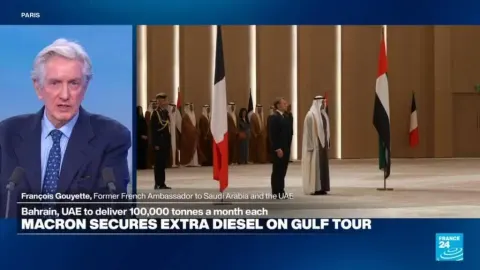
The ongoing crisis impacting the Strait of Hormuz continues to send economic shockwaves globally. Malaysia is actively seeking to diversify its crude oil sourcing, looking towards supplies from the U.S., South America, and Africa, as its traditional Middle Eastern deliveries have been severely choked off. Economy Minister Akmal Nasrullah Mohd Nasir highlighted that Asian economies, heavily reliant on Middle Eastern crude and fuel, have been the first to feel the pinch, prompting a scramble for alternative supply routes and increased fuel conservation efforts.
Similarly, the UK economy is bracing for a contraction, with economists attributing the slowdown to the lingering energy price shock stemming from the conflict involving Iran. Fresh data is expected to reveal a potential decline in economic activity, reflecting the delayed impact of these energy disruptions on businesses and consumers. This situation underscores the interconnectedness of global energy markets and the significant economic consequences that regional conflicts can precipitate, impacting growth trajectories far beyond the immediate conflict zone.
Frequently Asked Questions
What is the current exchange rate of USD to IRR?
Why are chip stocks at record highs despite geopolitical tensions?
What is the impact of the Strait of Hormuz crisis on global economies?
What is Iran's stance on the 2026 World Cup?
Why did gold prices fall while the Toman weakened?
Understanding Geopolitical Risk and Safe-Haven Assets
Geopolitical risk refers to the uncertainty and potential for disruption that arises from political events and international relations, particularly those involving conflict, instability, or significant policy shifts between nations. When headlines like "Trump Vows Harder Iran Strikes" emerge, they introduce a heightened level of geopolitical risk into the global economy. This uncertainty makes investors nervous, as it can disrupt trade, supply chains, energy markets, and overall economic stability, prompting them to re-evaluate their portfolios and seek security.
One of the most immediate impacts of escalating geopolitical risk is seen in currency markets. Investors tend to move away from currencies of countries perceived as unstable or directly involved in conflicts, leading to capital flight. For instance, increased US-Iran tensions can put significant downward pressure on the Iranian Toman (IRR) against the US Dollar (USD), as international confidence in the region's stability erodes. Conversely, the US Dollar often strengthens during such times, not necessarily due to US economic strength, but because of its role as a global reserve currency and a perceived safe haven.
This flight to safety often manifests as an increased demand for what are known as "safe-haven assets." These are assets that are expected to retain or even increase in value during periods of market turbulence and economic uncertainty. Gold is a classic example, having been a store of value for millennia; its price typically rises when geopolitical tensions flare. Other common safe havens include the Japanese Yen (JPY) and the Swiss Franc (CHF), both from politically neutral and economically stable nations, and certain government bonds, particularly those issued by highly rated countries like the U.S. Treasury.
Therefore, when news of heightened tensions breaks, the dip in broader markets and the rise in gold prices or the strengthening of currencies like the USD are direct reflections of investors' immediate reaction to geopolitical risk. They are seeking to protect their capital from potential losses by shifting it into assets historically proven to weather economic storms, even if those storms are politically rather than purely economically driven.