IRGC Hits 18 US Targets as Ceasefire Collapses; OPEC Output Hits 25-Year Low Amid Regional Crisis
حمله سپاه به ۱۸ موضع آمریکا و سقوط تولید اوپک به کف ۲۵ ساله؛ سایه جنگ بر بازارهای جهانی
The Middle East faces a dramatic escalation as the IRGC reports strikes on 18 US military targets following the collapse of a fragile ceasefire. Simultaneously, OPEC production has plummeted to its lowest level since 2000, creating a perfect storm for global energy markets.
At time of publishing
USD
178,750
Toman
Gold 18K
17.68M
Toman / gram
Bitcoin
$62,803
US Dollar
Tether
178,188.596
Toman
Regional Escalation: IRGC Strikes 18 US Military Targets
The fragile ceasefire in the Middle East has effectively disintegrated this morning as the Islamic Revolution Guard Corps (IRGC) announced a massive retaliatory operation. According to official reports, 18 key US military targets across the region were successfully hit in two distinct operational waves. This move comes as a direct response to recent American strikes on Iranian territorial integrity and follows a period of intense verbal sparring between Tehran and Washington. UN Secretary-General António Guterres had previously warned that the current state of affairs was less a 'ceasefire' and more a 'lesser fire' that was rapidly approaching a full-scale conflagration.
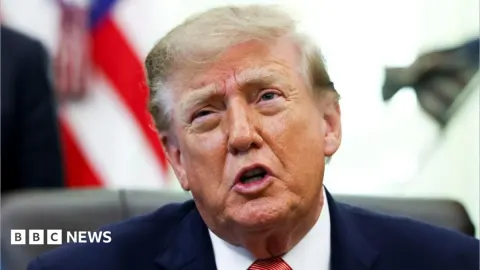
The strategic implications of these strikes are profound. Former intelligence officials suggest that the US is now faced with a difficult choice: engage with Iranian demands regarding sanctions relief or risk a spiraling military conflict that could exit the control of all parties involved. While Donald Trump has promised to 'hit back hard,' the IRGC's ability to conduct multi-wave operations across 18 separate locations demonstrates a level of coordination that complicates any immediate US tactical response. For Iranian citizens, this escalation brings immediate concerns regarding regional stability and the long-term outlook for economic recovery.

Energy Markets in Turmoil: OPEC Production Hits Generational Low
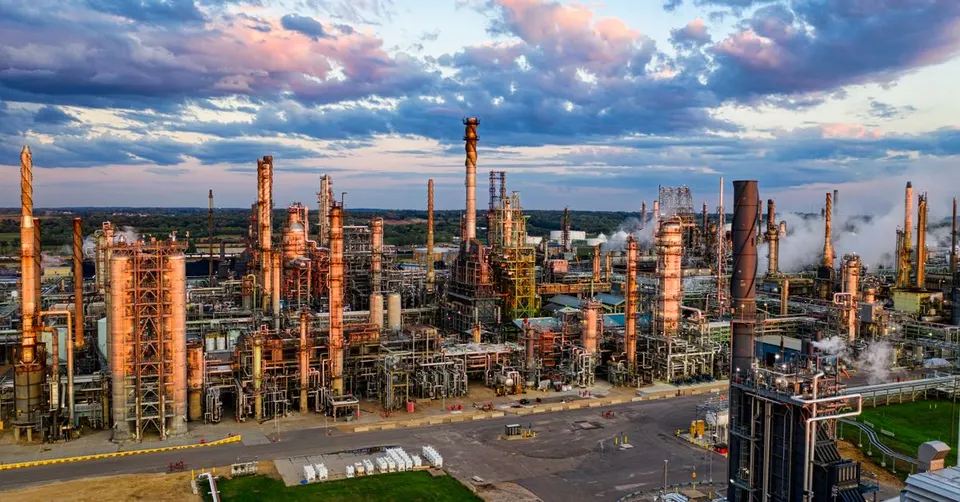
While the geopolitical situation heats up, the energy sector is grappling with a supply-side shock of historic proportions. New data reveals that OPEC oil production has collapsed to just 16.13 million barrels per day, the lowest level recorded since the year 2000. This decline is even more severe than the production cuts seen during the height of the 2020 pandemic lockdowns. The exit of the UAE from the group has further skewed these figures, but the core message remains clear: the global oil supply is tightening at the exact moment that regional conflict threatens the world's most vital shipping lanes.
This production crunch is occurring against a backdrop of sophisticated disinformation in the energy markets. Analysts warn that AI-generated 'fake news' regarding attacks on energy infrastructure is being used by scalper-style traders to induce volatility. As oil production hits a 25-year low, the risk of a price spike is exacerbated by these synthetic narratives. For the Iranian market, where the 18k gold price has slightly dipped from 17,782,907 to 17,684,334 Toman (-0.6%), the divergence between global energy risks and local bullion prices suggests a market that is still struggling to price in the full scope of the morning's military developments.
Global Economy: The ECB’s Controversial Rate Hike Gamble
On the global stage, the European Central Bank (ECB) is reportedly preparing for its first interest rate hike in nearly three years, a move that many top economists are labeling a 'mistake in the making.' This policy shift comes as US inflation remains stubbornly high, recently topping 4%, creating a significant headwind for assets like Bitcoin and gold. While the ECB aims to curb inflationary pressures, critics argue that tightening monetary policy during a period of extreme geopolitical instability in the Middle East could stifle growth and lead to a 'policy-induced' recession.
The disconnect between central bank hawkishness and the reality of a regional war is palpable. In Tehran, the USD/IRR exchange rate has remained remarkably stable at 178,750 Toman (0.0% change), but the Emami coin has seen a slight uptick from 181,000,000 to 182,000,000 Toman (+0.6%). This suggests that while the currency market is being tightly managed, domestic investors are seeking refuge in minted coins as a hedge against the looming uncertainty of both European rate hikes and the escalating strikes in the Persian Gulf region.

Frequently Asked Questions
Which US bases were targeted by the IRGC in the recent strikes?
Why is OPEC production at its lowest level in 25 years?
How is the Iranian gold market reacting to the military escalation?
What is the 'mistake' economists are warning the ECB about?
Understanding OPEC’s Production Quota System
The Organization of the Petroleum Exporting Countries (OPEC) is a cartel of 13 oil‑producing nations that collectively control about 30 % of global oil supply and roughly 80 % of proven reserves. Since its founding in 1960, OPEC has used a production quota system to coordinate how much crude each member may pump each month. By adjusting these quotas, the cartel can influence world oil inventories, price trends, and the balance of trade for both exporting and importing economies.
When OPEC decides to tighten output, it lowers the total quota, which reduces global supply and typically pushes prices higher. Conversely, a production increase floods the market, easing price pressures. The decision‑making process is political as well as economic: members weigh their own fiscal needs against the collective goal of price stability. In 2026, geopolitical tension in the Middle East and a series of IRGC‑targeted strikes have forced OPEC to cut output to a 25‑year low, illustrating how security shocks can translate directly into quota adjustments.
The impact of OPEC’s quota changes ripples through the global economy. Higher oil prices raise inflation in oil‑importing countries, prompting central banks—such as the European Central Bank—to consider tighter monetary policy, including interest‑rate hikes. At the same time, oil‑exporting nations like Iran see windfalls that can temporarily strengthen their currencies (e.g., the Iranian toman) but also expose them to volatility when quotas are later relaxed.
For investors, understanding the quota mechanism helps explain sudden moves in commodity markets, such as spikes in gold prices during oil‑price turbulence, and informs decisions about energy‑related equities and sovereign debt. Monitoring OPEC meetings, which are publicly announced and reported by agencies like Reuters and the IMF, provides a leading indicator of future price dynamics.