Middle East on Edge: US-Iran Strikes Intensify as Strait of Hormuz Closes and Oil Surges
لب مرز انفجار؛ درگیری مستقیم ایران و آمریکا، انسداد تنگه هرمز و جهش قیمت نفت
Direct military exchanges between the US and Iran have entered a second day, triggering a closure of the Strait of Hormuz and a spike in global energy prices. While the Rial remains surprisingly resilient, the collapse of ceasefire talks signals a volatile period ahead for regional markets.
At time of publishing
USD
178,500
Toman
Gold 18K
17.78M
Toman / gram
Bitcoin
$62,574
US Dollar
Tether
178,333.24
Toman
Market Open — June 11, 2026
The Tehran market opened this morning with a sense of cautious observation rather than outright panic, despite the dramatic headlines overnight. The US Dollar (USD/IRR) saw a marginal decline of 0.2%, slipping from 178,800 to 178,500 Toman. This slight pullback suggests that much of the geopolitical risk may have already been baked into the price over the preceding week, or perhaps the Central Bank is actively intervening to prevent a psychological break above the 180,000 level.
In contrast, the gold market showed more sensitivity to the global escalation. While 18k gold remained flat at 17,782,907 Toman per gram, the Emami Coin rose by 0.6%, climbing from 181,000,000 to 182,000,000 Toman. This divergence highlights a domestic preference for physical hedging as regional tensions reach a boiling point. Meanwhile, Bitcoin (BTC) is trading at $62,574, struggling to find a clear direction as global liquidity remains tight and corporate demand for the digital asset appears to be cooling off.
US-Iran Conflict Escalates: The Strait of Hormuz Factor
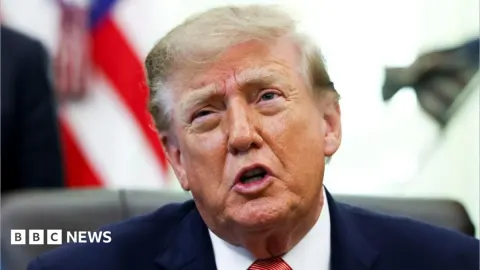
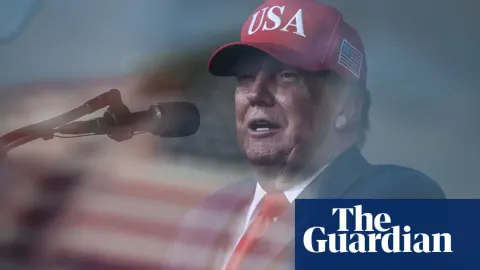
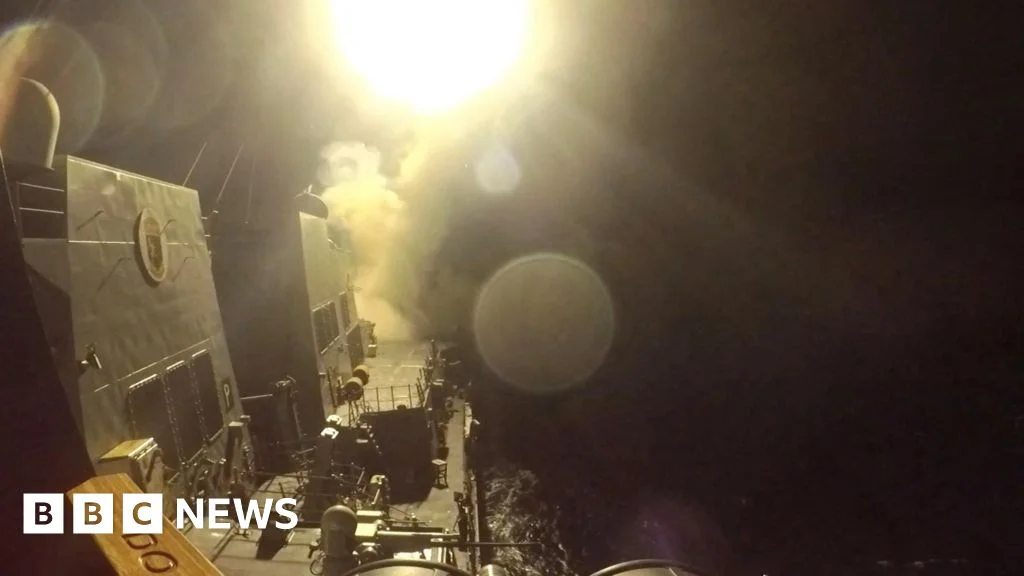
For the second consecutive day, the United States and Iran have exchanged direct military strikes across the Middle East, marking the most significant escalation in years. Following initial US strikes on military targets in southern Iran, Tehran responded by targeting US assets in Kuwait, Bahrain, and Jordan. The situation grew even more dire as Donald Trump vowed that Iran would "pay the price" for stalled negotiations, prompting further US sorties into Iranian territory. This cycle of retaliation has effectively shattered any lingering hopes for a stable ceasefire in the near term.
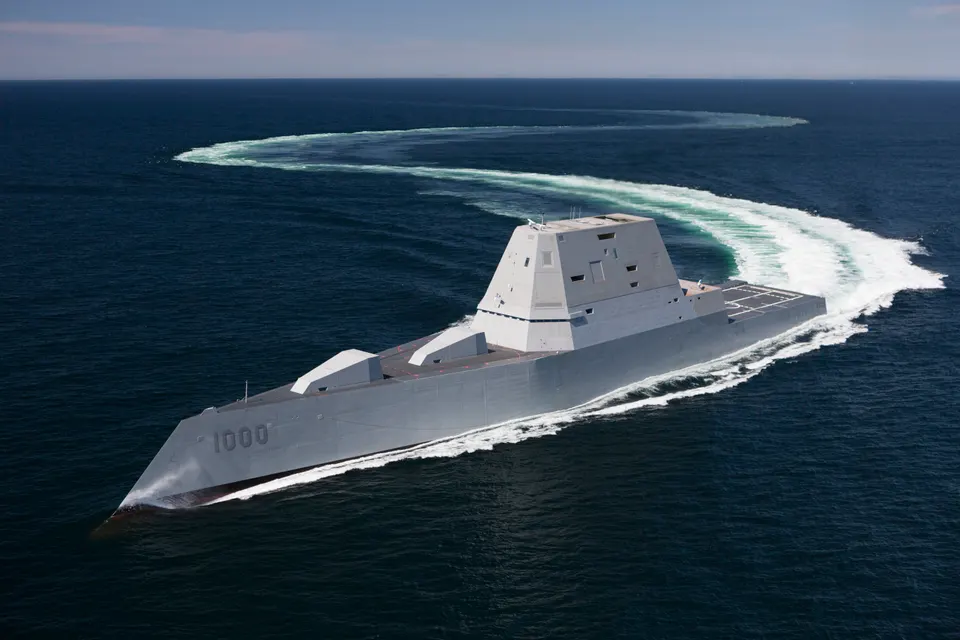
The most immediate economic consequence of this kinetic conflict was the declaration by Iran that the Strait of Hormuz—the world's most vital energy artery—is now closed. This announcement sent shockwaves through energy markets, with Brent crude spiking 2.26% to $95.20 per barrel. For Iranian readers, this is a double-edged sword: while higher oil prices theoretically increase national revenue, the physical inability to export and the looming threat of total maritime blockade create a high-risk environment for the Rial and domestic inflation.
What we are seeing is the collapse of the "wait and see" approach. With Kuwaiti air defenses active and regional air traffic being diverted, the risk of a broader regional war is no longer a theoretical exercise. If the Strait remains closed for more than a few days, the global supply chain for energy will break, likely forcing the US and its allies into even more aggressive naval maneuvers. For the average investor in Tehran, this means volatility is the only certainty for the coming week.
Crypto Markets Wobble as Corporate Demand Dries Up
While the world watches the Middle East, the cryptocurrency market is facing its own internal struggle. Recent US inflation data provided a brief "soft landing" narrative that gave Bitcoin and Ether a temporary bounce, but the momentum failed to hold. Bitcoin is currently hovering around the $62,500 mark, but the underlying data shows a worrying trend: corporate buying of BTC has almost completely dried up. After a year of aggressive accumulation by institutional treasuries, the appetite for adding more risk in a high-interest-rate environment seems to have hit a ceiling.
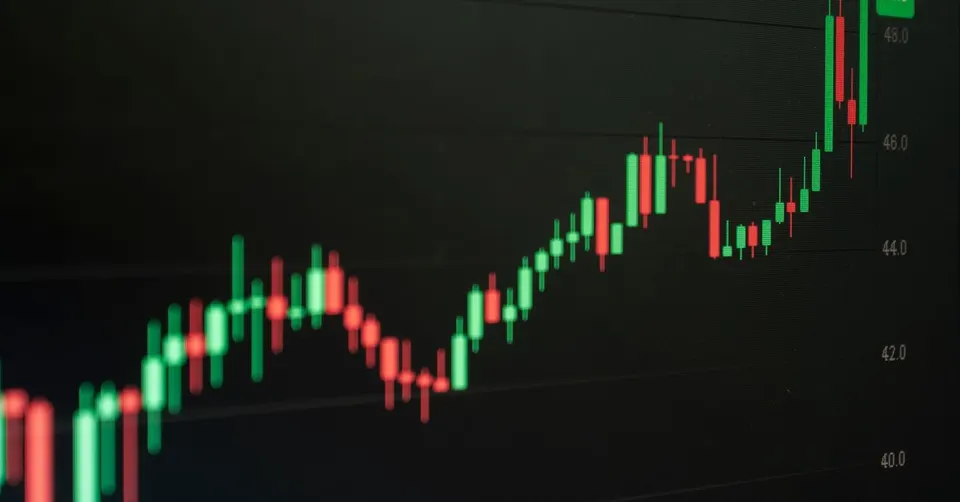
This lack of demand is compounded by significant outflows from Bitcoin ETFs. While BlackRock is attempting to revitalize interest by filing for a new yield-generating Bitcoin ETF—which would use covered call strategies to provide regular payouts to investors—the broader market remains skeptical. For Iranian crypto traders, who often use USDT as a hedge against Rial depreciation, the stability of the Tether rate at 178,333 Toman is currently more important than the price of Bitcoin itself.
If Bitcoin fails to hold the $60,000 support level amidst this global geopolitical chaos, we could see a rapid retreat to the mid-50s. The "digital gold" narrative is being tested; usually, Bitcoin thrives on chaos, but in a scenario where global energy supplies are threatened, investors often flee back to the most liquid asset of all: the US Dollar. Watch the USDT/IRR rate closely today; if it begins to decouple from the official USD rate, it will be the first sign of local capital flight.
World Cup 2026: A Tournament Under the Shadow of War
In a surreal contrast to the news of missile strikes, the French national football team has arrived in Boston to begin their 2026 World Cup campaign. Led by Didier Deschamps, the squad checked into the Four Seasons, preparing for a tournament that is shaping up to be the most politically charged in history. With the host nation (the US) actively engaged in a military conflict with a participating region's interests, the atmosphere in the US host cities is a mix of sporting excitement and wartime anxiety.

This World Cup is unique not just for its scale, but for how it reflects a fractured global order. FIFA is facing immense pressure to navigate the security concerns of hosting a global event while the US military is on high alert. For Iranians, the World Cup has always been a rare moment of international connection, but the current escalation makes the logistics of travel and participation increasingly difficult.
Beyond the pitch, the tournament represents a massive economic engine that is now at risk. Millions of fans are expected to travel to North America, but if the conflict in the Middle East expands, global travel costs—driven by surging jet fuel prices—could deter attendance. It is a reminder that in 2026, no event, no matter how large or beloved, is immune to the realities of regional geopolitics and the price of oil.