IAEA Demands Nuclear Transparency as US Strikes Ignite Regional Tensions; Toman Edges Toward 179,000
فشار آژانس اتمی همزمان با تشدید درگیریهای نظامی؛ نوسان دلار در مرز ۱۷۹ هزار تومان
The IAEA has issued a stern demand for Iran's nuclear data, coinciding with a breakdown in the April ceasefire as US strikes continue. Markets are reacting with caution, seeing the Emami coin rise 0.6% while the Toman remains under pressure near the 179,000 mark.
At time of publishing
USD
179,000
Toman
Gold 18K
17.76M
Toman / gram
Bitcoin
$62,776
US Dollar
Tether
178,867.886
Toman
IAEA Demands Nuclear Clarity Amid Growing Regional Friction
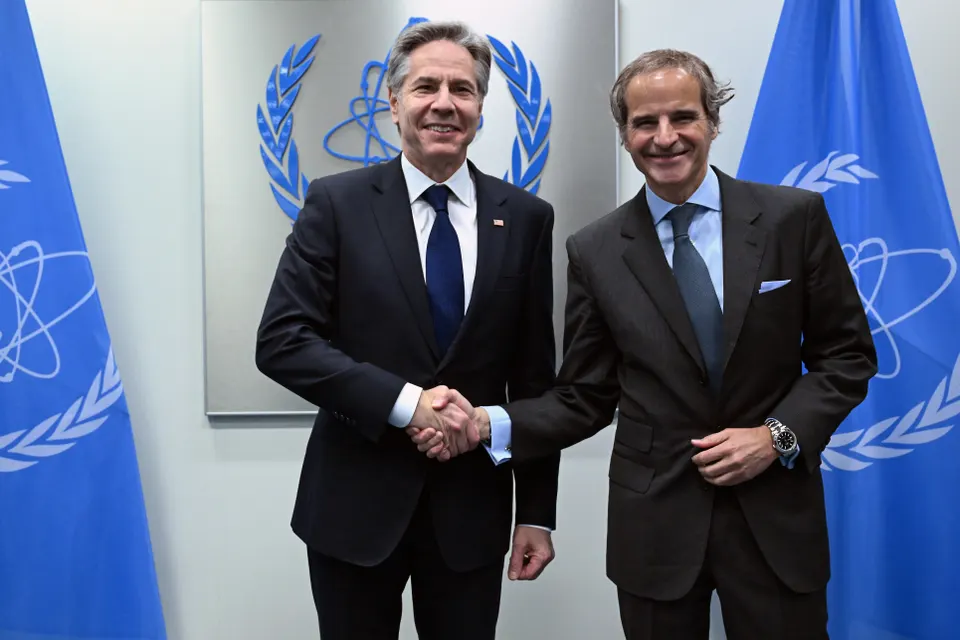
In a move that has significantly heightened diplomatic stakes, the United Nations' nuclear watchdog, the IAEA, has issued a formal demand for Iran to provide comprehensive information regarding its current nuclear stockpile. The resolution, which Tehran has already slammed as "politically motivated," comes at a precarious moment for regional stability. Iranian officials have warned that such pressure from the US-backed agency could severely complicate any remaining hopes for reviving ceasefire talks or maintaining technical cooperation. For the average observer, this represents more than just a diplomatic spat; it is a signal of hardening stances in Western capitals that directly influences market sentiment in Tehran.
As news of the IAEA resolution filtered through trading floors, the Iranian Toman felt immediate, albeit measured, pressure. The USD/IRR exchange rate moved from 178,800 to 179,000, a 0.1% increase that reflects the market's ongoing sensitivity to geopolitical headlines. While the move is numerically small, the psychological barrier of the 179,000 mark is being tested as traders weigh the risk of further international sanctions. If the IAEA board proceeds toward a referral to the UN Security Council, the domestic currency could face a much more volatile path in the coming sessions.
The Ceasefire Crisis: US Strikes and the Strait of Hormuz
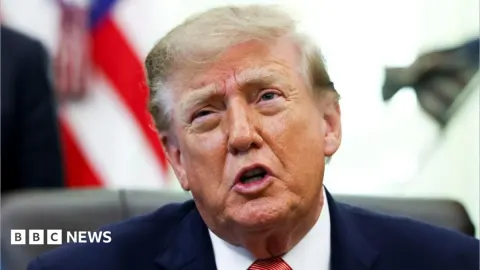
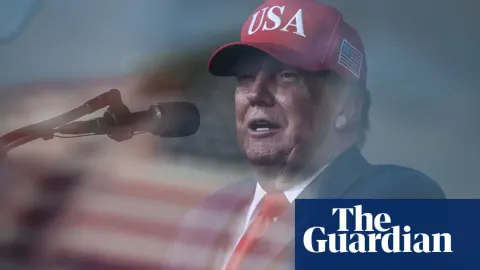
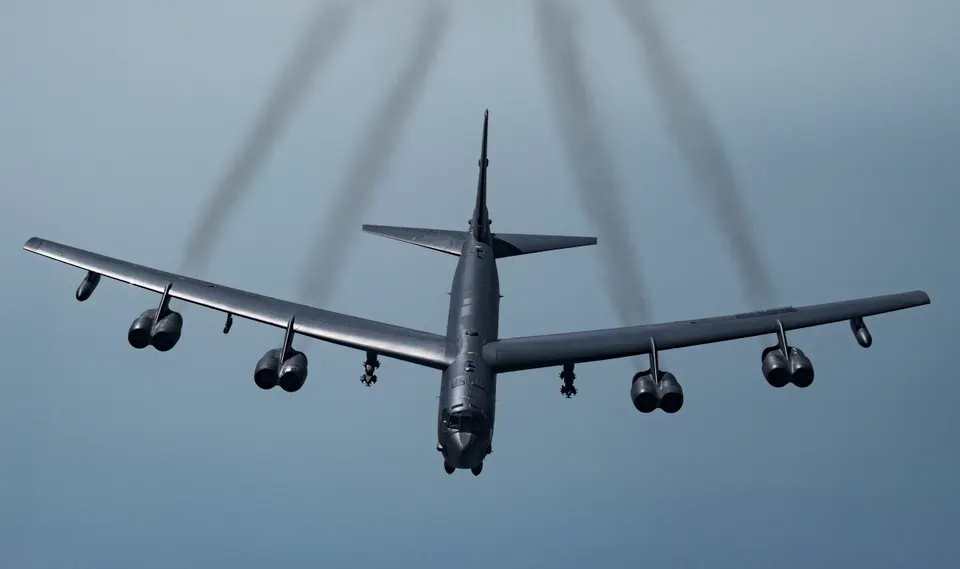
The fragile truce established in April 2026 appears to be on the brink of total collapse following a second consecutive day of extensive US military strikes in southern Iran. These actions were reportedly triggered by the downing of a US helicopter over the Strait of Hormuz, a critical artery for global energy supplies. President Donald Trump has doubled down on this aggressive posture, promising to "hit them hard again," while Defense Secretary Pete Hegseth indicated that further strikes are imminent. This escalation has effectively shut down the Strait, sending shockwaves through energy markets and local asset classes.
In the domestic gold market, the reaction to these military developments has been more pronounced than in the currency sector. The Emami coin rose from 181,000,000 to 182,000,000 Toman, marking a 0.6% gain in just 24 hours as investors sought the safety of hard assets amid rumors of a wider conflict. Conversely, 18k gold per gram saw a marginal decline from 17,782,907 to 17,764,439 (-0.1%), likely due to local profit-taking and the massive premium already baked into the coins. The divergence between the global gold ounce, currently at a staggering $4,098.70, and local prices suggests that while global fear is high, domestic liquidity is currently concentrated in the coin market for maximum portability and hedge value.
Security Overhaul: Turning Stolen Phones into 'Unusable Bricks'
Away from the frontlines of the Middle East, a significant shift in technology policy is brewing in London that could set a global precedent for device security. Metropolitan Police Commissioner Sir Mark Rowley has formally requested the UK Home Secretary to introduce legislation that would force tech giants to make stolen mobile phones "unusable bricks." London has earned the unenviable title of the phone-snatching capital of Europe, with nearly 300 devices stolen daily. The proposal aims to destroy the secondary market for these devices by ensuring they cannot be reactivated or exported for parts once reported stolen.

This move is not just a local policing issue; it represents a major regulatory challenge for companies like Apple and Samsung, who may soon be forced to share more granular data on device reactivation with law enforcement. For consumers and tech investors, this signals a future where hardware security is mandated by law rather than offered as a premium feature. If successful, this "bricking" protocol could drastically reduce the incentive for street-level crime, but it also raises concerns among privacy advocates about the level of control governments and corporations hold over personal hardware. As London pushes for these changes, other major global cities are expected to follow suit, potentially altering the global supply chain for refurbished electronics.
Frequently Asked Questions
Why is the IAEA demand impacting the Toman exchange rate now?
How did the gold market react to the closure of the Strait of Hormuz?
What is the 'unusable brick' law proposed in London and why does it matter?
Understanding Geopolitical Choke Points: The Strait of Hormuz
The news headline touches upon heightened regional tensions and their potential economic fallout, making the concept of a geopolitical choke point particularly relevant. A geopolitical choke point is a narrow passage, such as a strait or canal, that is strategically important because it limits the flow of goods, people, or resources. These points are crucial for global trade and energy supply, and their disruption can have far-reaching economic and political consequences worldwide.
The Strait of Hormuz is perhaps the most critical maritime choke point globally, directly mentioned in the keywords. Located between Oman and Iran, it connects the Persian Gulf with the Arabian Sea and is the only sea passage from the Persian Gulf to the open ocean. Its strategic importance stems from the fact that a significant portion of the world's seaborne oil — roughly one-fifth of global oil consumption and about a third of all seaborne crude oil — passes through it daily. This makes it indispensable for the global energy market, especially for major importers in Asia, Europe, and North America.
Given its narrowness, the Strait of Hormuz is highly vulnerable to disruption. Any attempt to close or significantly impede passage through it, whether due to military conflict, political instability, or terrorist activity, would immediately trigger a massive spike in global oil prices. Such an event would send shockwaves through the world economy, potentially leading to recessions, inflation, and severe energy shortages. This inherent vulnerability gives regional actors, like Iran, significant leverage in times of heightened tension, as even the threat of closure can cause market volatility.
Therefore, when headlines speak of US strikes, regional tensions, or the potential closure of the Strait of Hormuz, it's not just a regional dispute. It's a direct threat to global energy security and economic stability. Understanding the concept of geopolitical choke points like the Strait of Hormuz helps contextualize why certain regions are constantly under international scrutiny and why seemingly localized conflicts can have profound, worldwide implications, impacting everything from oil prices to the stability of currencies like the Iranian Toman.