US-Iran Tensions Flare; Toman Rises, Gold Gains Amid Stalled Ceasefire Talks
تشدید تنش آمریکا و ایران؛ تومان بالا رفت، طلا در بحبوحه مذاکرات آتشبس ناموفق افزایش یافت
The fragile ceasefire between the US and Iran appears to be collapsing as both sides exchange strikes, with Tehran warning of severe consequences. Meanwhile, the Iranian Toman has seen an uptick against the dollar, and gold prices are climbing, reflecting heightened regional instability and stalled diplomatic efforts.
At time of publishing
USD
180,000
Toman
Gold 18K
17.85M
Toman / gram
Bitcoin
$63,097
US Dollar
Tether
179,915.578
Toman
US and Iran Trade Strikes as Ceasefire Collapses
The already precarious ceasefire between the United States and Iran has dramatically deteriorated, with both nations engaging in retaliatory strikes across the region. Iran has declared the current ceasefire "practically meaningless" following a second day of US airstrikes, and in response, has targeted areas in Bahrain, Kuwait, and Jordan. This escalation marks a significant setback for diplomatic efforts aimed at de-escalating regional tensions, which have been stalled for weeks.
Tehran has issued a stern warning, stating that Washington is responsible for the "highly dangerous consequences" of these provocations. The Ministry of Foreign Affairs emphasized the US administration's culpability for this "gross violation of the ceasefire." The situation is further complicated by reports of stalled talks to transform the ceasefire into a durable peace deal, with both sides continuing to blame each other for alleged truce violations. The core demands remain stark: Iran seeks the lifting of international sanctions and the unfreezing of assets, while the US insists on preventing Iran from developing nuclear weapons.
---
Toman Gains, Gold Rises Amid Heightened Instability
The Iranian Toman has experienced a notable uptick against the US dollar, with the sell rate moving from 178,800 to 180,000 Toman (+0.7%) in the last 24 hours. This appreciation, coupled with a rise in gold prices – 18k gold per gram increased by 0.4% and the Emami coin saw a 0.6% jump – reflects the market's reaction to the escalating geopolitical tensions in the region. Investors are seeking safe-haven assets as uncertainty intensifies.
The surge in demand for the Toman and gold suggests a growing concern among Iranians about the potential economic repercussions of renewed conflict. While specific market impacts are still unfolding, the trend indicates a flight towards perceived stability in domestic assets amidst external volatility. This price movement is a direct response to the renewed hostilities and the collapse of the ceasefire, which historically leads to increased currency and precious metal valuations in Iran due to a combination of reduced import capacity and heightened domestic demand for hedging against future economic shocks.
---
US Politics: Trump's Inflation Comments and Election Integrity Fears
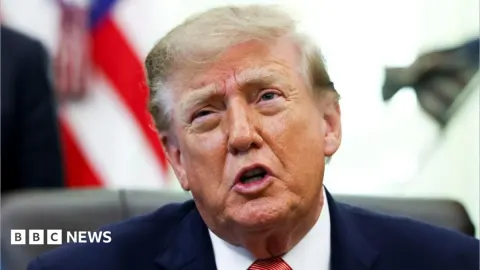
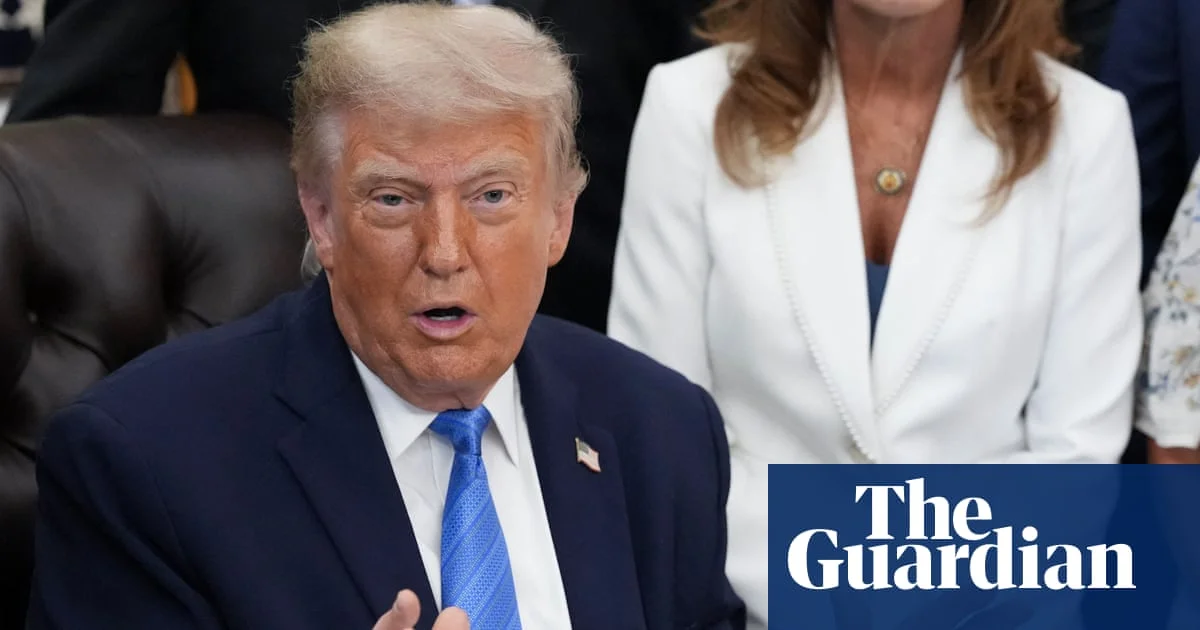
In the United States, former President Donald Trump has made controversial remarks about inflation, stating "I love the inflation" when questioned about rising prices, which have reportedly hit a 4.2% annual rate. While he later clarified that he meant he loved that inflation wasn't higher, the initial comment has drawn significant criticism and added to the discourse surrounding economic stability in the US.
Simultaneously, concerns are mounting within the Democratic party regarding potential election interference in upcoming midterms. Reports highlight that a fund linked to key Trump allies backed a push to sow doubt about election results. Advertisements in swing states suggested local officials had discretion not to certify elections, despite certification being a mandatory process. This has fueled fears that Trump and his allies are preparing to contest election outcomes, potentially undermining democratic processes. The political climate in the US remains charged, with economic anxieties and election integrity issues taking center stage.

Frequently Asked Questions
What triggered the current escalation between the US and Iran?
How is the Iranian Toman performing against the US dollar?
What is the impact of these tensions on gold prices in Iran?
What are the main political developments in the US mentioned in the report?
What are Iran's core demands in the stalled peace talks?
Understanding Safe-Haven Assets in Times of Geopolitical Uncertainty
Safe-haven assets are investments that are expected to retain or increase in value during periods of market volatility or geopolitical instability. Investors flock to these assets to protect their wealth when traditional markets face uncertainty, inflation, or economic downturns. The core appeal lies in their perceived reliability and independence from the factors that typically destabilize other investments.
Gold is the quintessential example of a safe-haven asset, valued for its historical role as a store of value, its limited supply, and its independence from any single government's policies or financial system. Other common safe havens include strong currencies like the US Dollar, Japanese Yen, or Swiss Franc, and sometimes government bonds of stable, highly-rated economies, which are seen as offering a secure return on investment.
The news of escalating US-Iran tensions and stalled ceasefire talks creates significant geopolitical uncertainty. In such an environment, both international and local investors tend to seek refuge in safe-haven assets. The reported rise in gold prices in Iran is a direct manifestation of this phenomenon, as individuals and institutions seek to hedge against potential economic fallout, currency depreciation, or inflation exacerbated by the instability.
For countries like Iran, which often face high inflation and currency depreciation due to sanctions and internal economic pressures, the demand for tangible safe havens like gold can be particularly acute. It serves not only as a hedge against geopolitical risk but also as a crucial means of preserving purchasing power against a weakening local currency, such as the Iranian Toman, offering a tangible store of value when other financial instruments are volatile.