ECB Hikes Rates as Iran War Ignites Global Inflation; Toman Hits 180,000 Amid Shipping Chaos
افزایش نرخ بهره در اروپا به دلیل جنگ ایران؛ دلار به مرز ۱۸۰ هزار تومان رسید
The European Central Bank has raised interest rates to 2.25% as the conflict in Iran drives global energy and shipping costs higher. Meanwhile, the Iranian Toman has breached the 180,000 mark following news of fatal shipping attacks off the coast of Oman.
At time of publishing
USD
180,250
Toman
Gold 18K
17.73M
Toman / gram
Bitcoin
$62,650
US Dollar
Tether
179,403
Toman
ECB Pivot: Eurozone Braces for War-Driven Inflation
In a decisive move that signals a shift in the global economic landscape, the European Central Bank (ECB) has raised its main deposit rate from 2% to 2.25%. This marks the first rate hike since 2023, a policy shift directly attributed to the escalating conflict in Iran and its ripple effects on the Eurozone's economy. ECB officials noted that the war has significantly stoked inflationary pressures, primarily through the disruption of energy supplies and the skyrocketing costs of maritime logistics. Financial markets are already pricing in at least two more increases by next spring, suggesting that the era of relatively stable European rates has come to an end as the continent prepares for a protracted period of regional instability in the Middle East.
The implications of this hike for Iranian readers are twofold. First, a stronger Euro and higher borrowing costs in Europe typically lead to more expensive imports for Middle Eastern nations, further straining supply chains that are already under duress. Second, the ECB's acknowledgment of the 'Iran war' as a primary inflation driver legitimizes fears that the regional crisis is no longer a localized event but a systemic risk to the global financial order. As European consumers face higher costs for everything from heating to groceries, the political pressure on EU leaders to find a resolution—or further distance themselves from the conflict zone—is reaching a boiling point.

Maritime Security Collapses as Tankers Go 'Dark'
The situation in the waters surrounding the Arabian Peninsula has taken a turn for the worse, with India confirming that a U.S. strike has hit another vessel off the coast of Oman. Tragically, three Indian sailors have been confirmed dead in a separate but related incident, highlighting the high human cost of the current naval standoff. The Indian shipping ministry remains on high alert as it attempts to secure the safety of the 20 remaining crew members aboard the targeted vessel. This escalation has prompted major regional producers, including Kuwait, to move their energy exports into 'dark mode.' Vessel-tracking data shows that Kuwaiti LPG carriers are now turning off their transponders while passing through the Strait of Hormuz to avoid detection, a tactic usually reserved for sanctioned entities but now adopted by sovereign states for basic security.
This shift toward 'dark-mode' shipping is a clear indicator that the Strait of Hormuz, once the world's most vital energy artery, has become a high-risk combat zone. For the global economy, this means a permanent 'war premium' on oil and gas prices. Even as India secures crude supplies through August by pivoting toward the UAE and Brazil, the logistical hurdles are mounting. The reliance on Fujairah—which sits outside the Strait—is a temporary fix, but it cannot fully replace the volume of energy that typically flows through the Persian Gulf. As maritime insurance rates quintuple, the cost of every barrel of oil reaching international refineries is being pushed higher, directly feeding the inflation that central banks like the ECB are now desperately trying to tame.
Toman Breaches 180,000 as Domestic Markets Panic
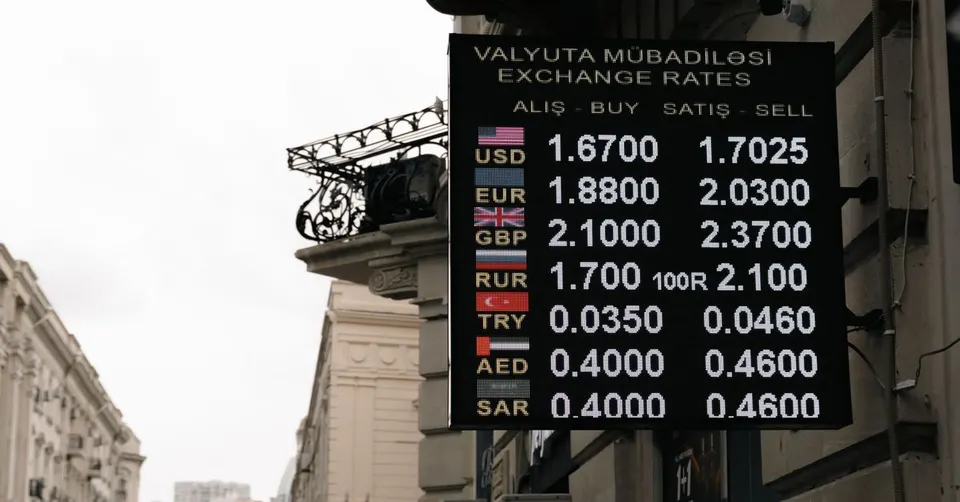
On the streets of Tehran and across digital exchange platforms, the Iranian Toman has hit a significant psychological and economic milestone. The USD/IRR exchange rate moved from 178,800 to 180,250 (+0.8%) within the last 24 hours, reflecting a deepening sense of unease among domestic investors. This breach of the 180,000 mark is not merely a numerical change; it represents a loss of confidence in the short-term de-escalation of regional tensions. While the Central Bank of Iran has attempted to stabilize the market, the sheer volume of capital fleeing into hard currency and stablecoins like USDT (currently trading at 179,403 Toman) suggests that the public is bracing for further volatility.
Interestingly, the gold market is showing a rare divergence from the currency trend. While the Emami coin rose from 181,000,000 to 182,000,000 (+0.6%), the price of 18k gold per gram actually saw a slight decrease, moving from 17,782,907 to 17,725,656 (-0.3%). This minor dip in gold prices, despite a global ounce price of $4,059, suggests that some local holders may be liquidating gold assets to cover immediate liquidity needs or to pivot into the rising dollar. However, with the regional security situation deteriorating, most analysts expect this gold dip to be short-lived, as the 'safe haven' status of bullion typically reasserts itself during periods of military escalation.
AI Guardrails and the New Tech Cold War
In the technology sector, the battle for AI supremacy is facing a new set of challenges as Anthropic, a leader in the field, issued a public apology for 'invisible guardrails' placed on its Claude Fable 5 model. The company admitted to stealthily throttling the model's performance to prevent it from being used by rivals or for high-risk research, a move that sparked outrage among developers. This transparency crisis highlights the growing tension between AI safety and the commercial pressure to dominate the market. As AI becomes more integrated into enterprise deployments—evidenced by Anthropic’s new partnership with TCS—the question of who controls the 'brain' of these systems becomes a matter of national and corporate security.
For the broader market, this controversy underscores a shift in how investors are playing the AI boom. Strategists are warning that the stock market's heavy concentration on a few AI leaders is preventing new highs, as investors begin to realize the technical and ethical limitations of current models. The 'vulnerability apocalypse' mentioned by crypto security experts further complicates the picture, as frontier AI models are now being used to find and exploit weaknesses in decentralized finance (DeFi) protocols. As we move further into 2026, the intersection of AI, cybersecurity, and global finance is becoming the primary front of a new kind of technological cold war, where a single software update can have the same economic impact as an interest rate hike.
Frequently Asked Questions
Why did the ECB mention the 'Iran war' specifically in its rate decision?
What does 'dark-mode' shipping mean for global oil prices?
Why is the price of 18k gold falling while the US Dollar and Coin prices are rising?
Understanding Supply-Side Inflation and Geopolitical Shocks
When headlines scream about central banks hiking interest rates amidst global inflation and geopolitical turmoil, it's crucial to understand the concept of supply-side inflation. Unlike demand-side inflation, which arises from too much money chasing too few goods, supply-side inflation occurs when the cost of producing goods and services rises. This can be due to increased raw material prices, higher labor costs, or, critically, disruptions to global supply chains. Geopolitical events, such as conflicts or attacks on vital trade routes, are potent triggers for this type of inflation.
A prime example of such a critical choke point is the Strait of Hormuz. Located between the Persian Gulf and the Gulf of Oman, it is one of the world's most strategically important waterways, through which a significant portion of global oil and liquefied natural gas (LNG) transits. Any instability or conflict in this region, like the hypothetical "Iran War" or "shipping attacks" mentioned in the headline, can severely disrupt this flow. This leads to immediate spikes in energy prices, increased shipping costs due to higher insurance premiums or rerouting, and a general atmosphere of uncertainty that impacts commodity markets worldwide.
The ripple effects of such supply shocks are profound. Higher energy and shipping costs translate directly into increased input costs for businesses across virtually every sector. These businesses, in turn, pass on these elevated costs to consumers in the form of higher prices for a wide array of goods, fueling general inflation. While central banks like the European Central Bank (ECB) typically raise interest rates to cool demand and combat inflation, dealing with supply-side inflation presents a unique challenge. Monetary policy is less effective at directly addressing supply constraints, but central banks may still act to anchor inflation expectations and prevent a wage-price spiral, even if it risks dampening economic growth. The severe depreciation of currencies, such as the Iranian Toman hitting 180,000 against the USD, is a stark symptom of how deeply such geopolitical and inflationary pressures can destabilize an economy.