UK Defense Crisis and Trump’s Peace Claims: Global Markets Brace for a Strategic Shift
بحران در وزارت دفاع انگلیس و سیگنالهای صلح ترامپ؛ بازارها در انتظار چرخش راهبردی
A high-profile resignation in the UK defense ministry highlights a shift toward AI-driven warfare, while oil prices tumble 4% as President Trump claims a peace deal with Tehran is imminent. Meanwhile, institutional crypto adoption gains pace with Metaplanet’s latest acquisition in Japan.
At time of publishing
USD
178,900
Toman
Gold 18K
18.26M
Toman / gram
Bitcoin
$63,645
US Dollar
Tether
176,137
Toman
The 'New Way of Governing': UK Defense Ministry in Turmoil
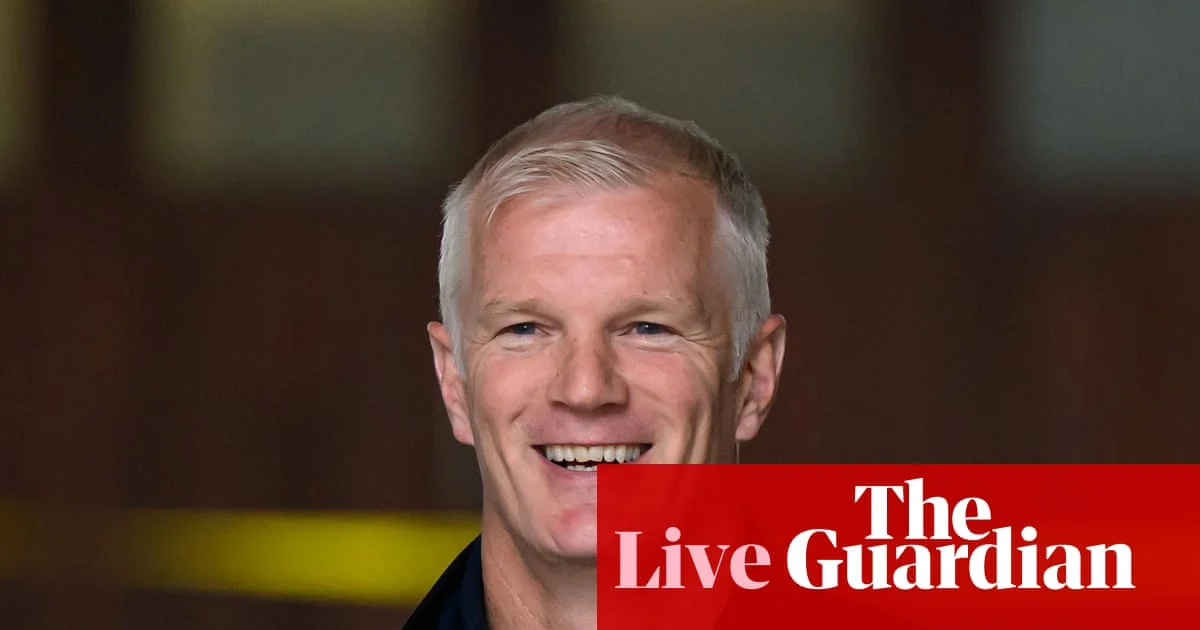
In a move that has sent shockwaves through Westminster, Armed Forces Minister Al Carns and Defense Secretary John Healey have resigned, citing a fundamental flaw in the government’s Defense Investment Plan (DIP). Carns, in a scathing resignation letter to Prime Minister Keir Starmer, argued that the current procurement strategy is hopelessly outdated. He highlighted a painful reality of modern warfare: that platforms costing billions of dollars are increasingly being defeated by uncrewed systems and AI-driven technology that cost only a few thousand. This internal collapse comes at a time when the UK is trying to project strength amid rising global tensions, yet the leadership appears divided on whether to fund traditional heavy armor or pivot entirely to the digital battlefield.

For the Iranian observer, this political instability in the UK is more than just a domestic British affair. It signals a broader Western struggle to adapt to the changing 'character of conflict' which has been prominently displayed in regional theaters. Carns’ insistence on prioritizing data, AI, and uncrewed systems mirrors the very tactics that have disrupted traditional naval and ground power in the Middle East. As the UK government scrambles to fill these ministerial gaps, the focus on 'data as the new gold' suggests that future sanctions and military posturing will be increasingly fought in the technological and cyber domains rather than just through conventional hardware.
Oil Prices Tumble as Trump Claims 'Deal is Close'
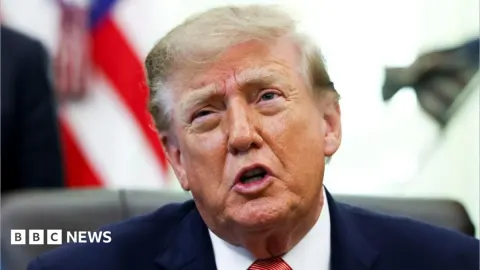
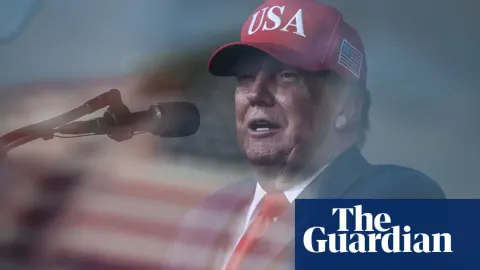
Global energy markets experienced a sharp correction today, with Brent Crude plunging 4.34% to $86.36 and WTI Crude dipping 4.47% to $83.88. This sudden volatility was triggered by President Donald Trump’s latest assertions that a peace agreement with Iran could be signed as early as this weekend. Trump claimed he had called off planned military strikes in favor of diplomacy, creating a wave of 'peace optimism' that saw traders selling off the geopolitical risk premium that had kept oil prices elevated for months. However, the Iranian Foreign Ministry has maintained a stance of 'cautious skepticism,' stating that nothing has been finalized and that words must be backed by concrete policy shifts.
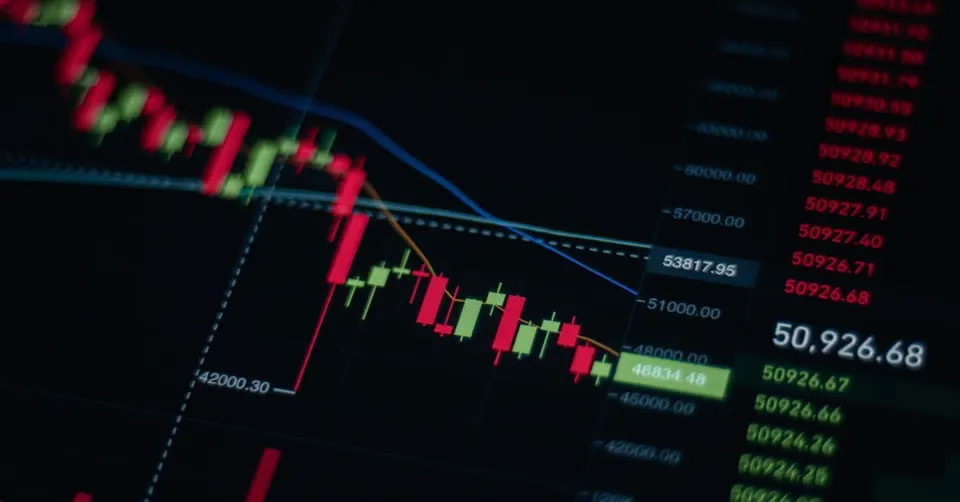
In the local Iranian market, the impact of these global fluctuations remains nuanced. While the USD/IRR exchange rate held steady at 178,900 Toman, the 0.4% rise in 18k gold to 18,263,077 Toman per gram suggests that local investors are not yet fully convinced by the talk of a diplomatic breakthrough. The 'tense calm' described by observers indicates that while the threat of immediate kinetic escalation has receded, the economic fundamentals—driven by sanctions and oil export volumes—remain the primary concern for the Iranian economy. If a deal were to materialize, it could lead to a significant strengthening of the Toman, but for now, the market is in a 'wait and see' mode.
Institutional Crypto Growth: Metaplanet and the Bitcoin Ecosystem
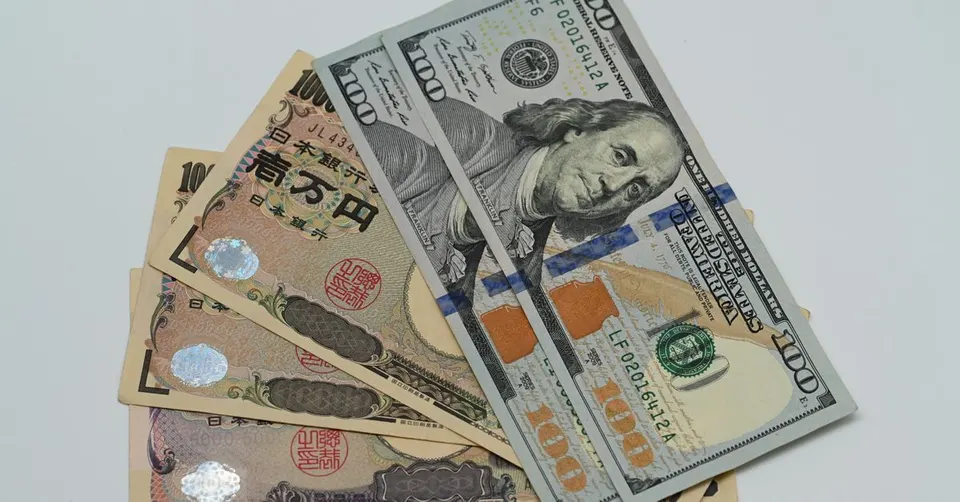
While geopolitics dominated the headlines, the cryptocurrency sector saw a major institutional move in Asia. Metaplanet, often referred to as 'Japan’s MicroStrategy,' announced its intention to acquire Siiibo Securities for approximately $13 million. This strategic acquisition is designed to provide Metaplanet with a regulated platform to launch Bitcoin-linked yield products. CEO Simon Gerovich emphasized that this move is about building a 'circular Bitcoin economy,' where BTC is not just a stagnant store of value but a medium for sophisticated financial instruments. This development pushed Bitcoin to hold its ground at $63,645, despite warnings from analysts like Bitwise’s Dragosch about a potential 'max pain' scenario at $48,000.
This trend toward institutionalization is a double-edged sword for the crypto market. On one hand, it brings legitimacy and massive capital inflows; on the other, it creates what some purists call a 'fundamental clash' between Bitcoin’s decentralized roots and the requirements of regulated financial systems. For Iranian users, who often use USDT and BTC as a hedge against local currency depreciation, the rise of institutional products in Japan and the US means that Bitcoin’s price discovery is increasingly happening in boardrooms rather than on peer-to-peer exchanges. This could lead to lower volatility over time but may also increase the sensitivity of crypto prices to global interest rate decisions and Western regulatory shifts.
Regional Resilience and the Fintech Consolidation
In regional developments, the commander of the IRGC’s Quds Force issued a defiant statement regarding the situation in southern Lebanon, asserting that the 'will of the Lebanese nation and Hezbollah' remains unbroken despite ongoing aggression. This rhetoric serves as a counterpoint to the peace rumors circulating in Washington, reminding markets that the regional geopolitical architecture remains deeply contested. Simultaneously, in the world of fintech, Barclays has agreed to acquire GoHenry, a popular kids’ debit card app, from the US firm Acorns. This move highlights a growing trend where traditional 'High Street' banks are acquiring nimble fintech startups to capture the next generation of wealthy clients, signaling that the future of personal finance is being consolidated into the hands of a few major legacy players.
Frequently Asked Questions
Why did the UK Armed Forces Minister Al Carns resign?
How did the oil market react to Trump's claims of a peace deal with Iran?
What is Metaplanet's new strategy in the crypto market?
Geopolitical Risk Premium: Why Politics Moves Markets
When a country’s defence leadership collapses, a president announces a new peace deal, or a major oil‑producing nation faces sanctions, investors instantly reassess the risk of holding assets tied to those regions. This extra compensation that investors demand for bearing political uncertainty is called the geopolitical risk premium. It is added to the baseline return expected from a security – whether a sovereign bond, a stock, or a commodity – and can cause sudden spikes in yields, currency depreciation, or sharp moves in oil and gold prices.
The premium works much like an insurance premium. In calm times, a UK gilt might yield 2 % because investors expect low default risk and stable policy. If a defence crisis raises the chance of a sudden fiscal shock or a change in defence spending, investors will require, say, an extra 0.5 % to hold that bond. That 0.5 % is the geopolitical risk premium. The same logic applies to the U.S. dollar‑Iran rial (IRR) exchange rate: heightened tension over a potential U.S.–Iran peace agreement can shrink the premium, strengthening the dollar, while renewed conflict inflates it, weakening the dollar.
Commodities are especially sensitive. Oil prices fell in June 2026 after signals that a Trump‑era Iran peace deal might lift sanctions, reducing the risk of supply disruptions in the Persian Gulf. Traders priced a lower risk premium into Brent crude, pushing the price down. Conversely, gold often rises when the premium spikes, as investors seek safe‑haven assets amid geopolitical turmoil. The recent surge in gold linked to Iranian‑related sanctions illustrates this inverse relationship.
Understanding the geopolitical risk premium helps explain why seemingly unrelated events – a UK defence minister’s resignation, a tech‑driven acquisition like Metaplanet’s purchase of Bitcoin assets, or a banking deal such as Barclays buying GoHenry – can all ripple through markets. Each event reshapes the perceived stability of governments, corporations, or entire sectors, prompting investors to re‑price risk across the board.
For analysts and everyday investors alike, tracking geopolitical headlines and assessing how they alter the risk premium is a crucial skill. It allows you to anticipate price movements before they happen, diversify appropriately, and avoid being caught off‑guard by sudden market swings.