US-Iran Deal Hopes Dip Amid Legal Scrutiny; Oil Prices Fall, AI Video Deception
امیدها به توافق آمریکا و ایران با تردیدهای حقوقی کمرنگ شد؛ قیمت نفت کاهش یافت، فریب ویدئوی هوش مصنوعی
Reports of a potential US-Iran peace deal are creating market ripples, but legal questions surrounding US targets and Tehran's denial of imminent agreement cast doubt on progress. Meanwhile, oil prices are reacting to diplomatic shifts, and a viral video of an alleged Iranian military success is exposed as AI-generated.
At time of publishing
USD
176,200
Toman
Gold 18K
17.92M
Toman / gram
Bitcoin
$63,441
US Dollar
Tether
175,000
Toman
US-Iran Peace Deal Prospects Clouded by Legal Questions and Disputed Progress
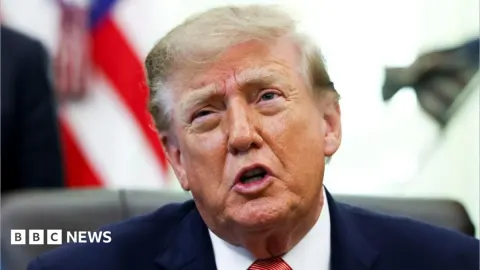
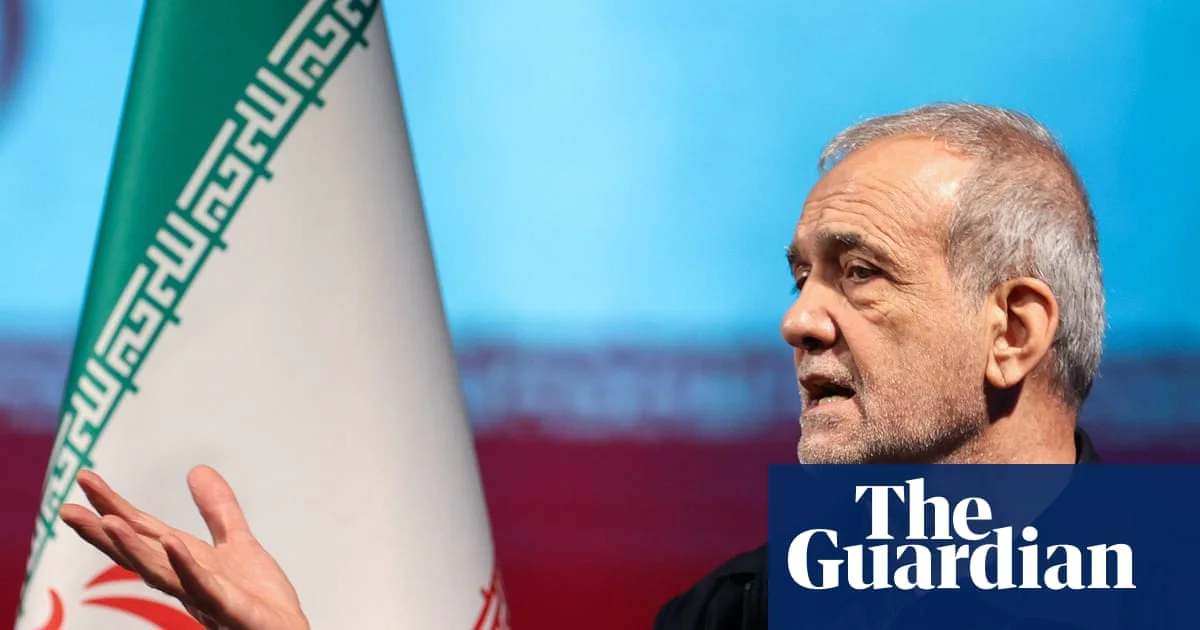
Whispers of a potential peace deal between the United States and Iran are creating significant market volatility, particularly in oil prices, but the path forward remains fraught with uncertainty. President Donald Trump has claimed that a deal is close and that he has called off further military strikes against Iran, citing progress. However, Iran's foreign ministry has dismissed these claims, with spokesperson Esmail Baghaei stating that while much of the text under negotiation is finalized, Iran will not compromise on its core principles. This divergence in communication fuels skepticism about the true state of negotiations, especially as legal experts begin to question whether the choice of US targets in recent escalations could constitute a war crime, adding another layer of complexity to an already fragile situation.
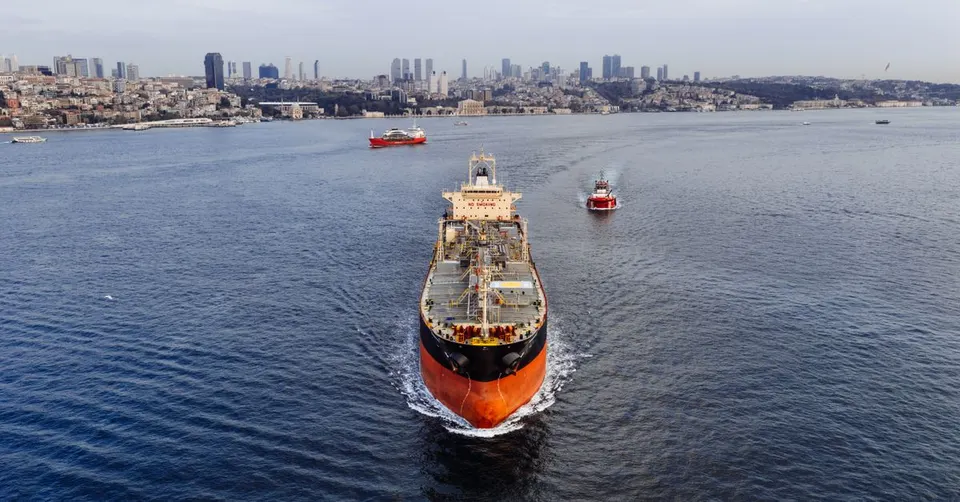
This diplomatic ambiguity directly impacts global energy markets. Reports of a potential deal that would lift oil sanctions on Iran have already contributed to a fall in West Texas Intermediate and Brent crude prices. The Strait of Hormuz, a critical chokepoint for global oil supply, has been a focal point of recent tensions, and any perceived de-escalation or eventual reopening of sanctions could lead to a significant influx of Iranian oil, thereby depressing prices. For Iranian readers, this translates into immediate concerns about currency stability, the potential easing of economic pressure, and the broader implications for trade and investment if sanctions were to be lifted.
---
Viral AI-Generated Video Fuels Disinformation Amidst Geopolitical Tensions
A viral video purporting to show the Iranian army downing a US Apache helicopter has rapidly spread across social media platforms, garnering millions of views. However, the footage has now been definitively identified as AI-generated, highlighting the increasing sophistication of disinformation campaigns in the context of ongoing geopolitical conflicts. This incident underscores the challenges faced by both governments and the public in discerning factual reporting from fabricated content, particularly during periods of heightened international tension.
The proliferation of such AI-generated media poses a significant threat to accurate public understanding and can be strategically employed to manipulate public opinion, inflame nationalistic sentiments, or create a false narrative of military success or failure. For Iran and its adversaries, the ability to generate and disseminate convincing but false visual evidence can serve as a potent tool in the information warfare domain. This development necessitates increased vigilance from news consumers and a greater emphasis on fact-checking and verification by media outlets to combat the spread of deceptive content.
---
Oil Prices Dip as Diplomacy Takes Center Stage, Market Sentiment Shifts
Global oil prices experienced a notable decline as investors began to price in the possibility of a diplomatic resolution between the United States and Iran. Brent crude futures fell significantly, trading at lows not seen since the initial stages of the Iran crisis. This market reaction is directly linked to the speculation surrounding a potential peace deal and the subsequent lifting of oil sanctions on Iran, which could lead to a substantial increase in global supply. The removal of geopolitical risk premiums from oil prices reflects a broader shift in market sentiment, moving away from immediate conflict escalation towards a more optimistic outlook on diplomatic progress.
The volatility in oil markets over the past week has been extreme, driven by the back-and-forth escalations and de-escalations between Washington and Tehran. Early concerns about the conflict threatening Middle East oil supplies have now been tempered by the prospect of a diplomatic breakthrough. For regions heavily reliant on oil imports, such as Europe, this easing of tensions could translate into more stable energy prices and reduced inflationary pressures. However, the situation remains fluid, and any renewed escalation could quickly reverse this trend, underscoring the delicate balance of power and diplomacy in the region.

---
Crypto Market Faces Uncertainty Amidst US Surveillance Law Expiration and Bitcoin Price Concerns
The cryptocurrency market is navigating a period of uncertainty, with broader geopolitical and regulatory developments casting a shadow over asset prices. In the United States, a critical surveillance law, FISA, is nearing expiration due to a failure by Congress to act, a situation that has drawn attention from various political factions, including evangelical Christians who form a key part of Donald Trump's base. While the direct impact on crypto is not immediately apparent, such legislative uncertainty in a major global economy can often correlate with shifts in investor risk appetite, potentially affecting demand for speculative assets like Bitcoin.
Furthermore, analysts are pointing to potential downside for Bitcoin, with some predicting up to a 20% further decline and identifying a 'max pain' scenario around $48,000. This outlook suggests that long-term holders might face significant challenges, and a cautious approach to the market is warranted. For Iranian investors who often turn to cryptocurrencies as a hedge against currency devaluation and inflation, these price predictions and regulatory developments in major economies are crucial to monitor. The demand for stablecoins like USDT, often used as a bridge between traditional finance and crypto, remains a key indicator of market sentiment and the ongoing search for value preservation.
Frequently Asked Questions
What is the current status of the US-Iran peace talks?
How are oil prices reacting to the US-Iran situation?
What was the viral video about, and why is it significant?
What are the concerns for the cryptocurrency market?
How might a US-Iran deal impact the Iranian economy?
Geopolitics, Sanctions, and the Volatile World of Oil Prices
Global oil prices are not solely determined by the simple economics of supply and demand; they are profoundly influenced by the intricate web of international relations, political stability, and strategic decisions made by nations. This interplay, known as geopolitics, means that events far from the oil fields themselves can send shockwaves through the global energy markets, affecting everything from gasoline prices at the pump to the economic stability of entire nations.
At the heart of this connection lies the concept of supply certainty. Major oil-producing regions, particularly the Middle East, are often focal points of geopolitical tensions. When political instability, conflicts, or diplomatic standoffs emerge in these areas, the market reacts to the perceived risk of supply disruptions. Sanctions, a key tool in international diplomacy, are designed to restrict a country's economic activities, often targeting its ability to export oil. By limiting the supply of oil from a significant producer, sanctions directly impact global availability, typically leading to higher prices as demand outstrips the suddenly constrained supply.
Consider the case of US-Iran relations. Iran is a major oil producer, and its ability to export oil has historically been constrained by international sanctions. Hopes for a 'peace deal' or the easing of sanctions typically signal a potential increase in Iranian oil supply returning to the global market. Such an increase in supply would generally exert downward pressure on oil prices. Conversely, a 'dip in deal hopes' or the tightening of sanctions suggests that Iranian oil will remain off the market, or its supply will be further restricted, which would theoretically lead to an upward push on prices due to reduced global supply expectations. However, real-world market movements are complex, with multiple factors—like global demand forecasts, other producers' output, and speculative trading—all contributing to the final price.
The volatility introduced by geopolitical events and sanctions has far-reaching consequences. For consumers, it means unpredictable fuel costs. For businesses, especially those in transportation and manufacturing, it translates into fluctuating operational expenses and planning challenges. For the global economy, sustained high or volatile oil prices can fuel inflation, dampen economic growth, and exacerbate financial instability, underscoring oil's enduring role as a strategic commodity and a barometer of global stability.