Bitcoin Stalls at $64K Resistance as Trump Seeks Iran 'Off-Ramp' Amid Hormuz Tensions
توقف بیتکوین پشت سد ۶۴ هزار دلار همزمان با تلاش ترامپ برای «خروج آبرومندانه» از تنش با ایران
Bitcoin faces a critical resistance at $64,375 despite a broader macro recovery, while Tehran's markets react to conflicting signals of military friction in the Hormuz and a nearing diplomatic breakthrough. Meanwhile, Switzerland votes on a controversial population cap that could reshape its economic future.
At time of publishing
USD
174,600
Toman
Gold 18K
17.84M
Toman / gram
Bitcoin
$63,742
US Dollar
Tether
173,457
Toman
Bitcoin Hits a Wall at $64,375 Resistance
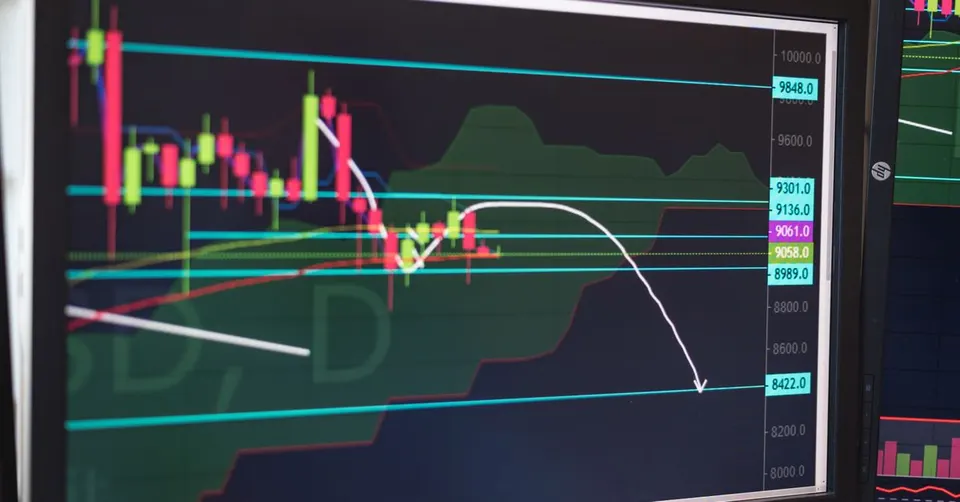
Bitcoin's recent recovery momentum appears to have hit a significant technical ceiling as the leading cryptocurrency stalls just below the $64,375 resistance level. After a volatile week that saw prices dip significantly, a 'macro rescue'—fueled by the blockbuster SpaceX IPO and easing geopolitical fears—helped the asset stabilize above $63,000. However, the hourly charts now show a period of consolidation as traders hesitate to push the price higher without a fresh catalyst. This stalling pattern reflects a broader cautiousness in the risk-on markets, even as institutional interest remains high following the debut of major tech listings on the Nasdaq.
For Iranian investors, this consolidation is mirrored in the stable Tether (USDT) price, which currently sits at 173,457 Toman. While the global market is looking for a breakout above $64,000, the domestic sentiment is heavily influenced by the relative stability of the USD/IRR pair. If Bitcoin fails to break the current resistance, market analysts warn of a potential retest of the $61,000 support zone, especially if upcoming US economic data suggests a more hawkish stance from the Federal Reserve. Conversely, a clean break above $64,375 could trigger a short squeeze, propelling the market toward the $67,000 mark.
The Hormuz Paradox: Military Friction vs. Diplomatic Breakthrough
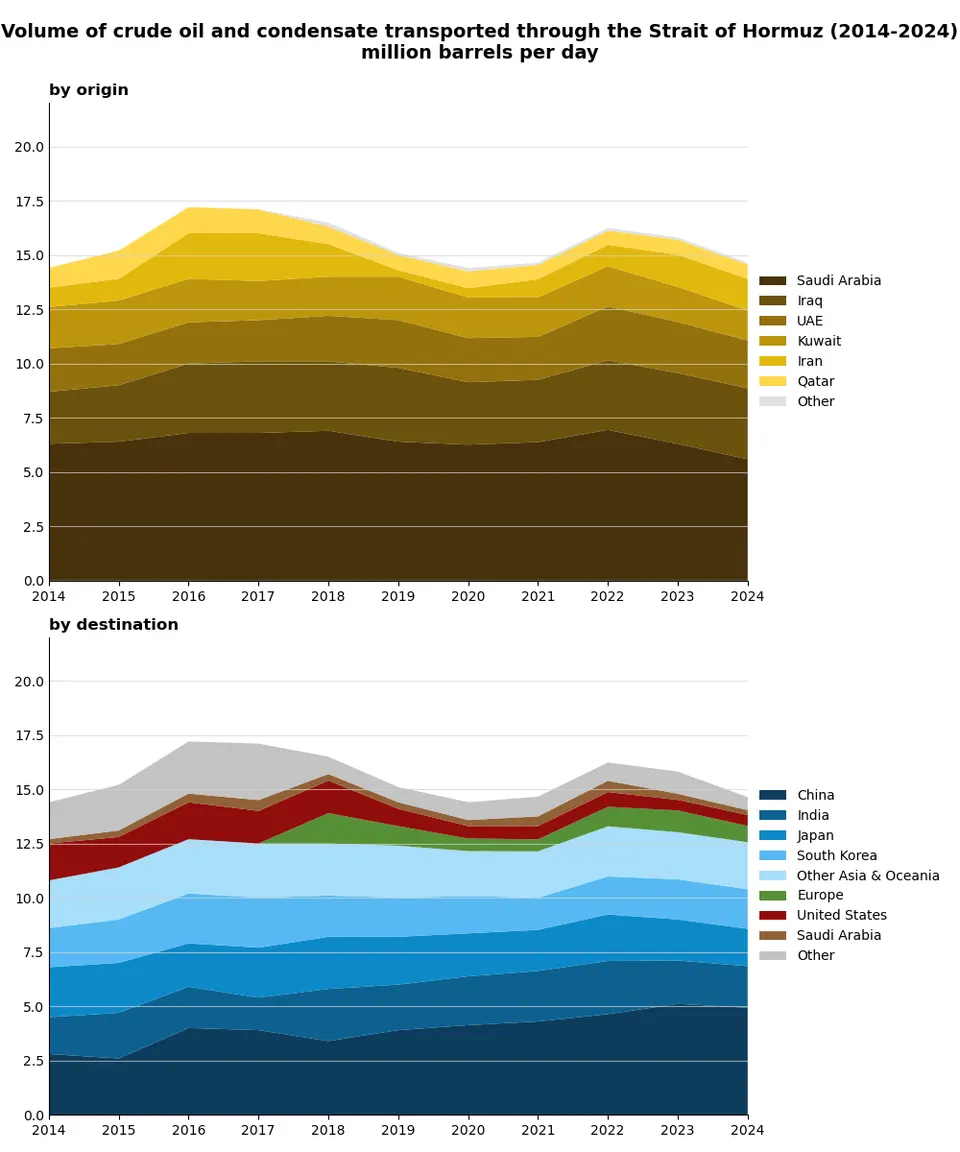
The geopolitical landscape in the Middle East remains a study in contradictions this Saturday. Overnight reports confirmed that the US military 'downed' several Iranian drones that were allegedly targeting commercial shipping in the Strait of Hormuz. This escalation usually triggers a massive spike in safe-haven assets; however, the market reaction in Tehran has been surprisingly bearish for gold and coins. The Emami coin price dropped from 182,000,000 to 178,000,000 Toman, marking a significant -2.2% decline. This suggests that local traders are placing more weight on diplomatic rumors than on localized military friction.
President Donald Trump is reportedly seeking an 'off-ramp' from the escalating conflict, with sources suggesting a new 'Iran deal' is nearing finalization. Foreign Minister Abbas Araghchi echoed this sentiment, noting that a draft agreement to end hostilities and potentially reopen the Strait of Hormuz could be signed within days. This potential deal is serving as a powerful anchor for the Iranian economy, offsetting the inflationary pressure usually caused by regional instability. Gold 18k per gram also saw a slight decrease, moving from 17,935,038 to 17,837,388 Toman (-0.5%), as the market anticipates a de-escalation that could stabilize the Rial in the medium term.
Switzerland’s Identity Crisis: The 10 Million Population Cap
In Europe, one of the world's wealthiest nations is facing a pivotal democratic choice that could have profound implications for the global labor market and European integration. Swiss voters are heading to the polls to decide on a far-right proposal to cap the national population at 10 million by the year 2050. Proponents argue that the measure is a necessary 'sustainability initiative' to protect the country's infrastructure and unique cultural identity. However, economists and business leaders have issued stark warnings, suggesting that such a cap would lead to a severe labor shortage and cripple the Swiss economy's ability to compete globally.
The referendum highlights a growing trend of protectionism across Europe as nations grapple with the balance between economic growth and social cohesion. If the 'yes' vote prevails, the Swiss government would be forced to impose strict limits on residency permits and family reunifications, potentially triggering a diplomatic rift with the European Union. For global markets, a Swiss move toward isolationism could signal further fragmentation in European trade policies, adding another layer of complexity to an already fragile global economic recovery.
Ecological Shifts: The Geopolitics of a Warming Planet
While markets focus on charts and treaties, nature is providing its own signals of a rapidly changing world. For the first time in recorded history, a western reef heron—a tropical bird typically found between West Africa and India—has been spotted in North Wales. While this may seem like a minor curiosity for birdwatchers, environmentalists view it as a stark indicator of shifting climate zones. As temperatures rise, species are migrating to northern latitudes that were previously uninhabitable for them, mirroring the human migration patterns that are currently fueling political debates in places like Switzerland.
This ecological shift carries indirect economic consequences, from changes in agricultural productivity to the spread of new biological risks. It serves as a reminder that the 'macro' environment is not just about interest rates and trade deals, but also about the fundamental stability of the planet's ecosystems. As exotic species become more common in the UK and Northern Europe, governments may soon have to factor ecological migration into their long-term infrastructure and healthcare planning, adding a new dimension to the concept of national security in the 21st century.

Frequently Asked Questions
Why is $64,375 a critical level for Bitcoin right now?
How is the US-Iran 'off-ramp' affecting the Tehran market?
What are the economic consequences of the Swiss population cap referendum?
Understanding Resistance Levels in Financial Markets
In the fast-paced world of financial markets, terms like "resistance" are fundamental to understanding asset price movements. A resistance level is a price point on a chart where an asset, such as Bitcoin or a stock, has historically struggled to rise above. It acts like a ceiling, indicating a price range where selling interest is strong enough to prevent the price from increasing further, at least temporarily.
These levels often form at previous price highs or significant psychological price points (like round numbers). The underlying mechanism is simple supply and demand: as an asset's price approaches a resistance level, more sellers emerge, eager to take profits or cut losses. This increased supply overwhelms the buying demand, causing the price to stall or even reverse downwards. Traders and analysts use historical price data to identify these zones, often visually represented by lines on a price chart.
For investors and traders, recognizing resistance levels is crucial for making informed decisions. They can be used to identify potential entry or exit points, set profit targets, or place stop-loss orders. A successful "breakout" above a significant resistance level, especially on high trading volume, is often interpreted as a bullish signal, suggesting that buying pressure has overcome selling pressure and the asset may be poised for a new upward trend. Conversely, a failure to break resistance can indicate a continued downtrend or consolidation.
While resistance levels are a core concept in technical analysis, they are not foolproof. Market conditions, news events, and broader economic factors can all influence whether a resistance level holds or breaks. Therefore, they are best used in conjunction with other analytical tools and a comprehensive understanding of the market landscape.