Trump’s Sunday Deadline: Toman Rallies as Peace Deal Looms; Visa Pivots to Stablecoins
ضربالاجل ترامپ برای یکشنبه: جهش ریال در آستانه توافق؛ ورود ویزا به دنیای استیبلکوینها
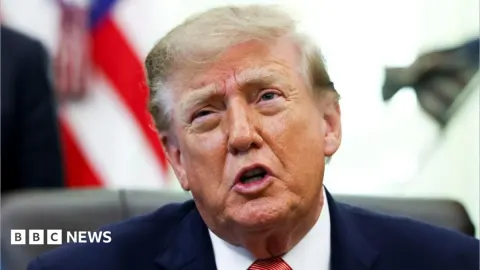
President Trump claims a historic peace deal with Iran will be signed this Sunday, potentially reopening the Strait of Hormuz. Markets have reacted instantly, with the Iranian Toman gaining 2.5% as speculative gold and coin prices tumble in Tehran.
At time of publishing
USD
170,300
Toman
Gold 18K
17.41M
Toman / gram
Bitcoin
$64,080
US Dollar
Tether
170,000
Toman
The Sunday Deadline: Trump Signals Imminent Iran Accord
In a series of high-stakes announcements that have sent shockwaves through global capitals, U.S. President Donald Trump stated on Saturday that a comprehensive peace agreement with Iran could be signed as early as Sunday. According to posts on Truth Social, the deal aims to permanently prevent Tehran from obtaining nuclear weapons through any means while simultaneously reopening the Strait of Hormuz to international shipping. Trump’s rhetoric suggests a total pivot toward regional stability, though he coupled the optimism with a stark warning, noting he reserves an "ultimate alternative" should the signing fail to materialize. This development follows weeks of intense back-channel diplomacy facilitated by regional mediators.
However, the atmosphere in Tehran remains one of cautious skepticism. Iranian Foreign Ministry officials have sought to temper the feverish expectations set by Washington, suggesting that while progress is significant, a Sunday signing might be premature. They indicated that while an agreement is indeed "in the coming days," the technicalities of the memorandum of understanding are still being finalized. This gap between Trump’s populist deadline and Tehran’s diplomatic caution has created a volatile information environment, leaving traders and geopolitical analysts on edge as the 24-hour countdown begins.
Markets in Motion: Toman Gains as Gold and Coin Retreat
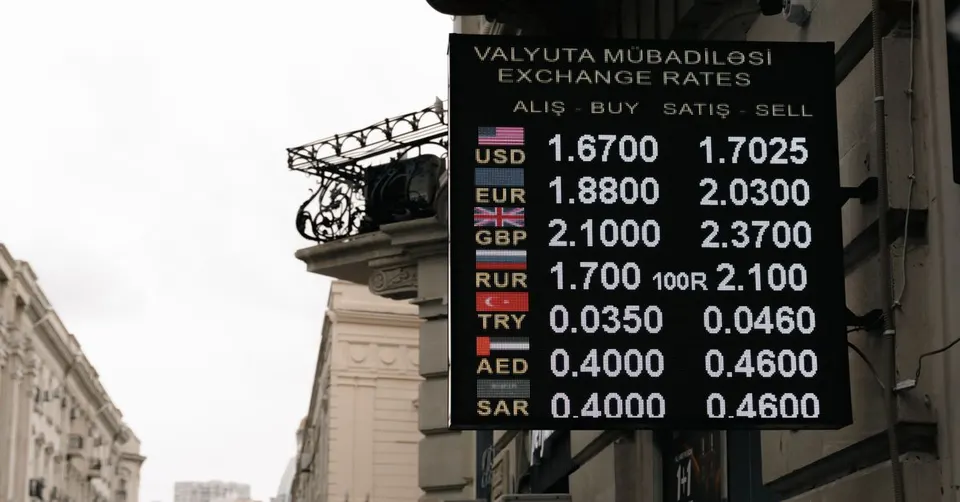
The impact of the potential peace deal was felt immediately in the Tehran currency and gold markets. The USD/IRR rate, which stood at 174,600 Toman just 24 hours ago, has dropped to 170,300 Toman, marking a significant 2.5% appreciation for the national currency. This rally reflects a massive shift in market sentiment, as the prospect of sanctions relief and the reopening of vital trade routes like the Strait of Hormuz encourages investors to move out of hard currency and back into local assets. The broader economic hope is that a finalized deal will unlock frozen assets and stabilize the spiraling inflation that has plagued the Iranian economy for years.
The gold and coin sectors saw even more dramatic corrections. Emami coins fell from 182,000,000 Toman to 175,000,000 Toman, a sharp 3.8% decline, while 18k gold dropped 2.9% from 17,935,038 to 17,410,314 Toman per gram. This "panic selling" in the gold market suggests that the speculative bubble fueled by war fears is rapidly deflating. Traders in the Sabzeh Meydan district report that sell orders are far outstripping buy orders, as the public attempts to lock in profits before a potential further collapse in prices should the Sunday signing actually occur.
Beyond Legacy Finance: Visa’s Stablecoin Push and the SETM Surge
While geopolitics dominated the headlines, the financial technology sector reached a new milestone as Visa announced an aggressive expansion into AI-driven commerce and stablecoin capabilities. The payments giant is unveiling new tokenization tools designed to bridge the gap between traditional banking and the blockchain ecosystem. This move is seen as a direct response to the growing demand for real-time, autonomous portfolio management. By integrating stablecoins into its core infrastructure, Visa is positioning itself to lead the next generation of global payments, where the speed of AI meets the transparency of the ledger. This shift mirrors comments from industry leaders suggesting that tokenization is following the same explosive growth path as the ETF boom of the early 2000s.
This technological optimism is reflected in the performance of specialized market indices. The SETM index has surged 27% year-to-date and an astounding 150% over the last year, vastly outperforming the S&P 500. This disparity highlights a growing trend where investors are favoring high-growth tech and AI-centric sectors over the broader market. As companies like NVIDIA partner with global giants like LG on humanoid robotics and data centers, the "old economy" is struggling to keep pace. For the average investor, this suggests that the real wealth creation is no longer happening in traditional blue-chip stocks but in the convergence of AI, robotics, and decentralized finance.

Legal Fouls: James Harden’s Arrest and the Cultural Spotlight
In a surprising turn for the sports and celebrity world, former NBA MVP and current Cleveland Cavaliers guard James Harden was arrested early Saturday morning in Houston. The 11-time All-Star was stopped by police downtown, where an officer reportedly spotted a handgun in the cup holder of his Mercedes. Harden was released on a symbolic $100 bond for the misdemeanor gun violation, but the incident has sparked a firestorm of media coverage. While the legal consequences may be minor, the timing is particularly poor for Harden’s personal brand and the Cavaliers' off-season optics, raising questions about athlete conduct in high-profile urban environments.
This incident adds to a broader conversation about the intersection of celebrity, local law enforcement, and public safety. As one of the most recognizable figures in basketball, Harden’s legal entanglement serves as a distraction from the league's efforts to promote a clean, professional image. In Houston, where Harden spent the majority of his career and remains a local icon, the arrest has been met with a mix of disappointment and support from fans. The story serves as a reminder that even in a week dominated by global peace deals and trillion-dollar tech shifts, individual actions by cultural icons can still capture the public's undivided attention.
Frequently Asked Questions
Why did the Toman strengthen so suddenly today?
Is the Sunday deadline for the US-Iran deal realistic?
What does Visa's stablecoin move mean for crypto users?
Stablecoins: How Tokenized Money Is Changing Cross‑Border Payments
Stablecoins are a class of cryptocurrencies designed to hold a stable value by being pegged to an underlying asset, most commonly a fiat currency like the US dollar. Unlike Bitcoin or Ethereum, whose prices can swing wildly, a stablecoin aims to stay within a narrow band—often within 1 % of its reference asset—by maintaining reserves or using algorithmic mechanisms. This price stability makes them suitable for everyday transactions, especially for payments that cross borders where traditional banking can be slow, costly, or subject to sanctions.
Visa’s recent move to support stablecoin settlements reflects a broader trend: large payment networks are experimenting with blockchain‑based tokens to speed up international transfers, reduce foreign‑exchange fees, and improve transparency. When a Visa‑partnered merchant accepts a stablecoin, the transaction can be settled in seconds on a public or permissioned ledger, while the fiat value is instantly converted at a known rate. This reduces the reliance on correspondent banks, which historically add days and fees to cross‑border flows.
The technology also dovetails with geopolitical shifts. In the context of a potential US‑Iran peace deal and the reopening of the Strait of Hormuz, countries facing sanctions or limited access to the SWIFT network may turn to stablecoins to keep trade flowing. By using a dollar‑pegged token, Iranian exporters could receive payments that are instantly convertible to rial or toman, mitigating currency‑conversion risk while bypassing intermediary banks.
However, stablecoins raise regulatory and systemic‑risk questions. Regulators worry about the adequacy of the reserve assets, the potential for “run” scenarios, and how these tokens fit into existing anti‑money‑laundering frameworks. The U.S. Treasury’s Financial Crimes Enforcement Network (FinCEN) and the European Central Bank have both issued guidance on stablecoin issuers, emphasizing transparency and capital requirements. As the ecosystem matures, the balance between innovation and oversight will shape how pervasive stablecoins become in everyday commerce.
For anyone watching the evolving financial landscape—whether it’s the impact of a new US‑Iran peace agreement, the volatility of the Iranian toman, or the rise of digital payment rails—understanding stablecoins provides a window into the future of money: fast, borderless, and increasingly tokenized.