Araghchi Signals Imminent US-Iran MoU; Bitcoin Reclaims $63,000 on Diplomatic Optimism
عراقچی از نهایی شدن تفاهمنامه با آمریکا خبر داد؛ بازگشت بیتکوین به کانال ۶۳ هزار دلار
Foreign Minister Abbas Araghchi confirms a strategic memorandum with the US is nearing finalization to 'consolidate' national gains. Meanwhile, global markets are rallying as the prospect of a diplomatic breakthrough reduces the risk of energy shocks.
At time of publishing
USD
174,600
Toman
Gold 18K
17.84M
Toman / gram
Bitcoin
$63,776
US Dollar
Tether
172,650
Toman
The 'Consolidation' Phase: Araghchi Teases US-Iran MoU
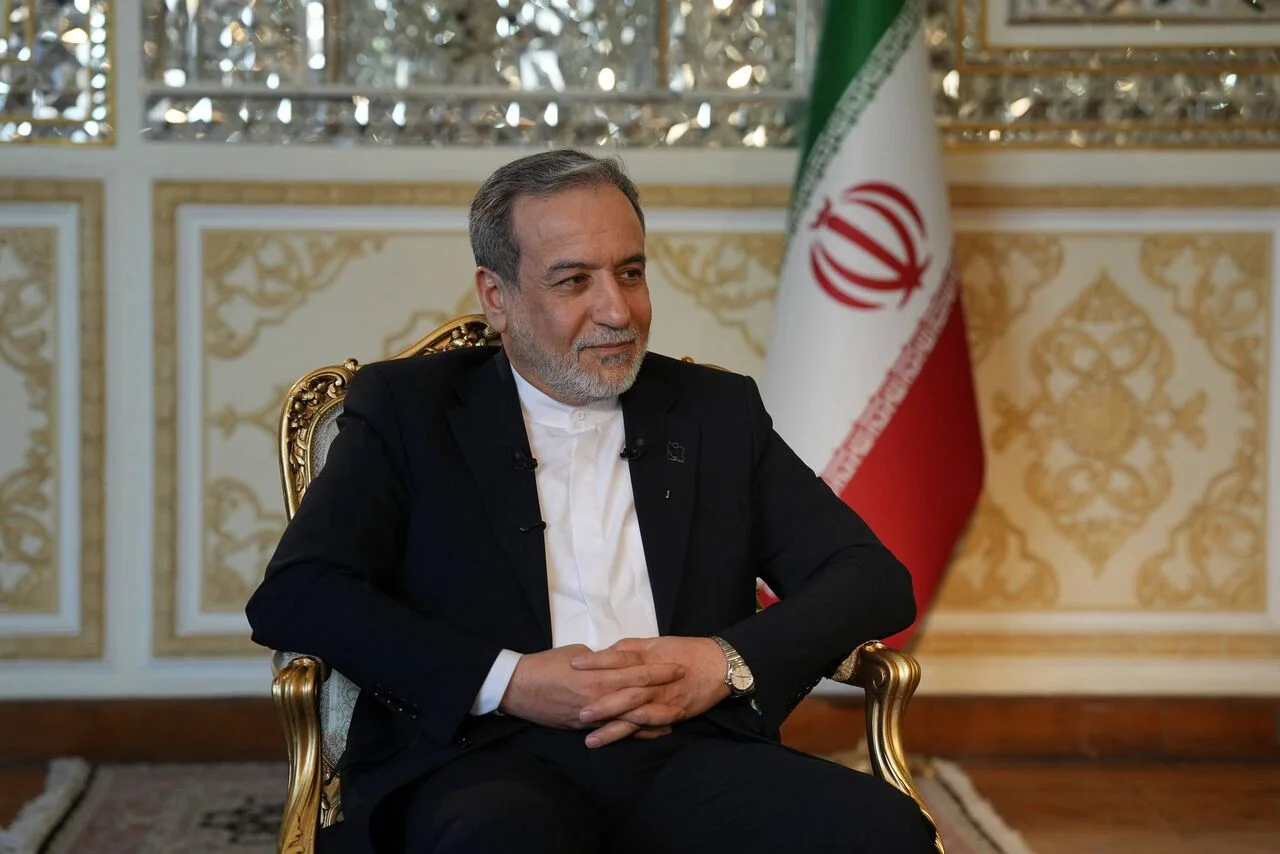
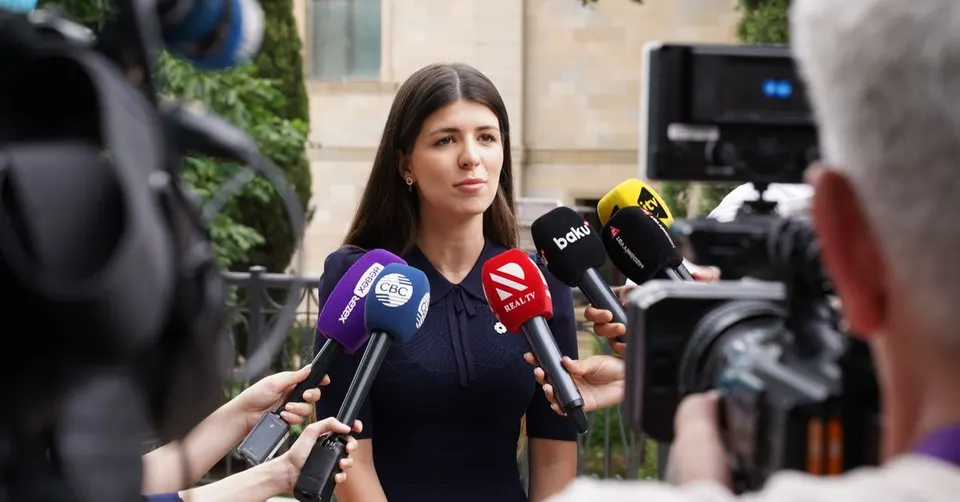
In a significant shift at the 12:00 Tehran hour, Foreign Minister Abbas Araghchi has announced that a memorandum of understanding (MoU) between Iran and the United States is on the verge of being finalized. Speaking to state media, Araghchi framed the upcoming agreement not as a new concession, but as a strategic move to "consolidate the victory" that the Iranian people have already secured through months of high-stakes geopolitical maneuvering. This development follows two months of intensive, often back-channel negotiations aimed at de-escalating tensions that recently brought the Strait of Hormuz to a standstill.
For the average observer, this MoU represents the "off-ramp" that markets have been desperately seeking. By labeling it a consolidation of victory, the administration is clearly attempting to manage domestic expectations and silence hardline critics who might view any deal with Washington as a retreat. The timing is critical; with the global oil market sitting at a breaking point due to previous supply disruptions, this diplomatic breakthrough acts as a vital pressure valve. It signals a transition from active hostility toward a managed status quo that could eventually lead to formal sanctions relief.
Markets React: Bitcoin Bounces as Gold Bubbles Deflate
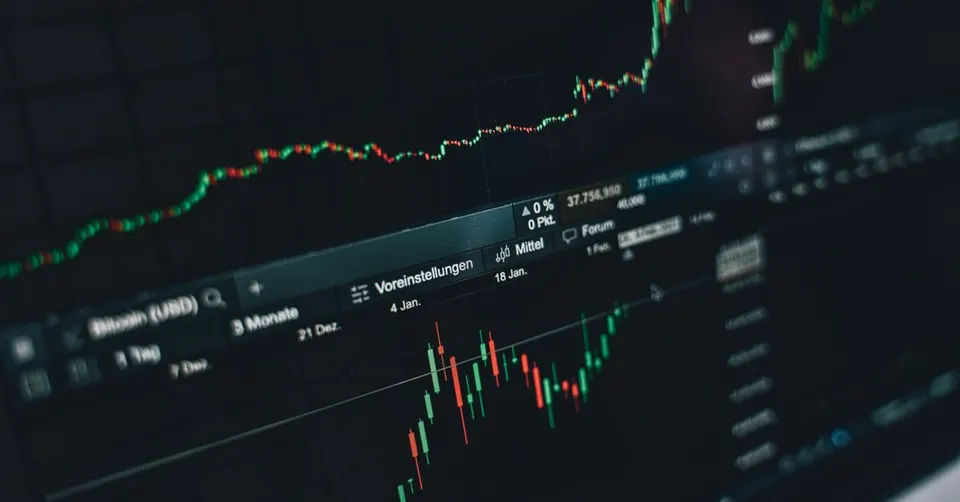
The impact of Araghchi’s announcement was felt almost instantly across global and local trading floors. Bitcoin, which had been struggling under the weight of geopolitical uncertainty, rebounded sharply to $63,776. This "Iran optimism" has significantly boosted global risk appetite, as investors pivot away from safe-haven assets in anticipation of a more stable energy landscape. In the local Iranian market, the USD/IRR rate remained remarkably steady at 174,600 (+0.0%), suggesting that the market had already priced in a degree of stability, or that the central bank is maintaining a tight grip on liquidity during these sensitive hours.
However, the real story lies in the precious metals sector. The Emami coin saw a notable drop, moving from 182,000,000 to 178,000,000 Toman, marking a -2.2% decline in just 24 hours. Similarly, 18k gold fell from 17,935,038 to 17,837,388 Toman (-0.5%). This divergence—where the dollar stays flat while gold and coins drop—indicates a reduction in the "war premium." As the threat of immediate conflict recedes, the speculative demand for gold as a hedge is evaporating, leading to a healthy correction in local prices. Investors are clearly betting that the MoU will prevent oil from breaking past the $100 threshold, which was a major fear just days ago.
National Morale: From Volleyball Courts to World Cup Dreams
Beyond the spreadsheets and diplomatic cables, a sense of cautious optimism is permeating Iranian society, bolstered by recent sporting successes. The Iranian national volleyball team’s victory over Argentina in the FIVB Men’s Nations League has provided a timely morale boost. In a country where sports and politics are often intertwined, such victories serve as a metaphor for the "consolidation" Araghchi mentioned—proving that Iran can compete and succeed on the global stage despite immense external pressures.
This spirit is further amplified by the ongoing World Cup fever. New photo series from across the country show football pitches filled with children, illustrating how the sport transcends economic hardship to become a symbol of shared dreams and national identity. While the headlines are dominated by MoUs and exchange rates, these cultural moments are essential for maintaining social cohesion. As Scotland also grips its own football fever ahead of their first World Cup appearance in nearly three decades, it is a reminder that even in times of intense geopolitical friction, the global community finds common ground in the arena of sport.

Geopolitical Side-Notes: Trump’s Domestic Battles
While Tehran looks toward a deal, the Trump administration in the US is facing its own internal hurdles that could impact the longevity of any MoU. A US district court judge recently ordered the restoration of national park plaques and historical materials that were removed under a Trump directive aimed at "restoring truth." This judicial pushback highlights the ongoing friction within the US government, where executive orders are being met with stiff legal resistance. For Iranian negotiators, this internal US volatility remains a key risk factor; any deal signed today must be robust enough to survive the legal and political crosswinds currently battering Washington.
Frequently Asked Questions
What is the primary goal of the MoU mentioned by Araghchi?
Why is the price of gold and coins dropping while the USD remains stable?
How is the US-Iran situation affecting Bitcoin's price?
Geopolitical Risk and Financial Markets
Geopolitical risk refers to the potential for political decisions, conflicts, or diplomatic shifts between nations to create uncertainty and negative consequences for global stability and financial markets. It encompasses a broad range of events, from international trade disputes and sanctions to military conflicts and diplomatic breakthroughs. Investors constantly assess these risks, and their perceptions directly influence market sentiment, driving decisions about where to allocate capital. When geopolitical tensions are high, investors often seek "safe-haven" assets like gold or certain government bonds, while riskier assets may see outflows.
Conversely, "diplomatic optimism," as hinted by the potential US-Iran MoU, can significantly reduce perceived geopolitical risk. A breakthrough in international relations often signals a period of greater stability and predictability, which markets generally favor. This reduction in uncertainty can encourage investors to move back into riskier, growth-oriented assets. For countries directly involved, such as Iran in this scenario, an MoU could signal potential easing of sanctions, increased trade opportunities, and a more stable economic outlook, leading to a stronger national currency like the Toman.
The impact of such optimism extends even to digital assets like Bitcoin. While often seen as a hedge against traditional financial instability, Bitcoin's price is also highly sensitive to overall market sentiment and liquidity. When global risk appetite increases due to positive geopolitical news, speculative assets, including cryptocurrencies, often benefit from renewed investor confidence and capital inflows. The "Bitcoin price rebound" mentioned in the headline directly illustrates how positive diplomatic developments can swiftly translate into upward momentum across various financial instruments, reflecting a broader shift from risk aversion to risk-taking.