Trump Signals Imminent Iran Deal as Tehran Urges Caution; Toman Strengthens While UK Seizes Russian Tanker
سیگنال ترامپ برای امضای توافق با ایران؛ تقویت ریال در سایه تردید تهران و توقیف نفتکش روسی توسط بریتانیا
President Trump claims a historic peace deal with Iran could be signed as early as today, though Tehran remains skeptical of the timeline. Meanwhile, the Iranian Toman has gained 0.9% against the USD as markets react to the potential reopening of the Strait of Hormuz.
At time of publishing
USD
168,800
Toman
Gold 18K
17.25M
Toman / gram
Bitcoin
$64,443
US Dollar
Tether
169,329
Toman
The Sunday Showdown: Trump’s Imminent Deal vs. Tehran’s Reality Check
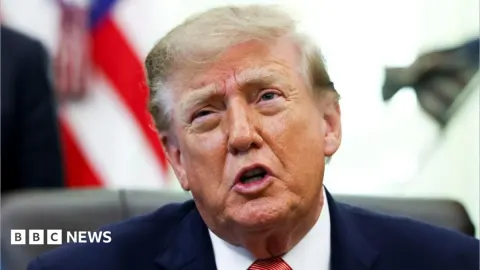
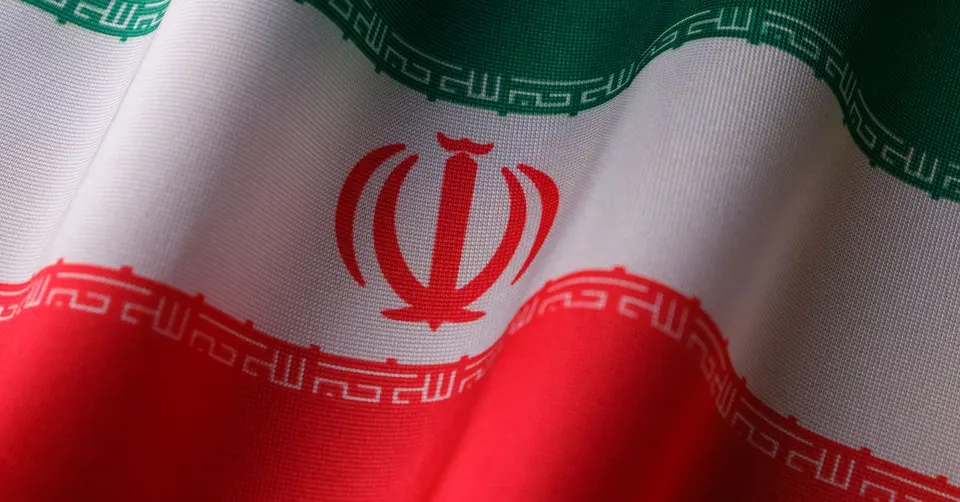
At 12:00 PM in Tehran, the geopolitical landscape is dominated by conflicting signals regarding a proposed peace agreement between the United States and Iran. President Donald Trump has taken to social media and public statements to claim that a comprehensive deal could be signed as early as this Sunday. According to Trump, the agreement would lead to the immediate reopening of the Strait of Hormuz to all international traffic, a move that would significantly lower global energy risks. However, the Iranian Foreign Ministry has been quick to temper expectations, suggesting that while negotiations are progressing, the timeline for a final signature may be considerably slower than the White House suggests. This tension between American optimism and Iranian caution has triggered immediate volatility in the domestic markets. The Iranian Toman has seen a notable strengthening; the USD sell rate moved from 170,300 to 168,800, representing a 0.9% appreciation for the local currency. Gold prices followed suit, with 18k gold dropping 0.9% to 17,247,564 Toman per gram, and the Emami coin falling 1.7% to 172,000,000 Toman. For the average Iranian, this price movement reflects a cautious hope that the removal of sanctions could finally stabilize the economy, though many remain wary of previous failed diplomatic attempts.
Maritime Escalation: UK Marines Board Russian Tanker in the Channel
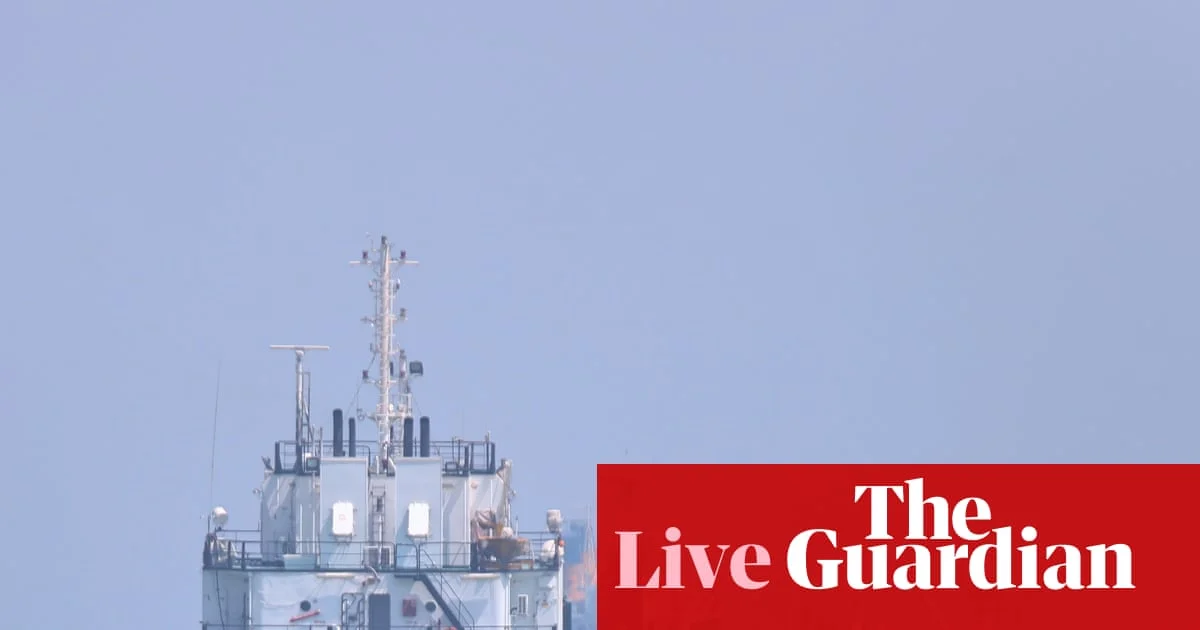
In a dramatic development that adds another layer of complexity to global trade, British Royal Marine Commandos have boarded a sanctioned Russian "shadow fleet" oil tanker in the English Channel. Prime Minister Keir Starmer confirmed the six-hour operation, marking the first time UK forces have taken such direct action against Russian energy vessels in these waters. The move is part of a broader crackdown on the clandestine fleet Russia uses to bypass international sanctions, and it signals a hardening of the European stance against Moscow’s energy-funded war machine. This incident is particularly relevant for the Middle East, as it demonstrates the increasing willingness of Western powers to use military force to enforce maritime sanctions. If a deal with Iran is reached, the contrast between the "opening" of the Strait of Hormuz and the "closing" of European channels to Russian oil will be stark. Market analysts suggest that such enforcement actions could keep global oil prices volatile, even if Iranian supply returns to the market. For Iran, seeing how the West handles Russian tankers provides a sobering reminder of the logistical hurdles that remain even when diplomatic progress is made.

Cultural Diplomacy and the Russian Pivot
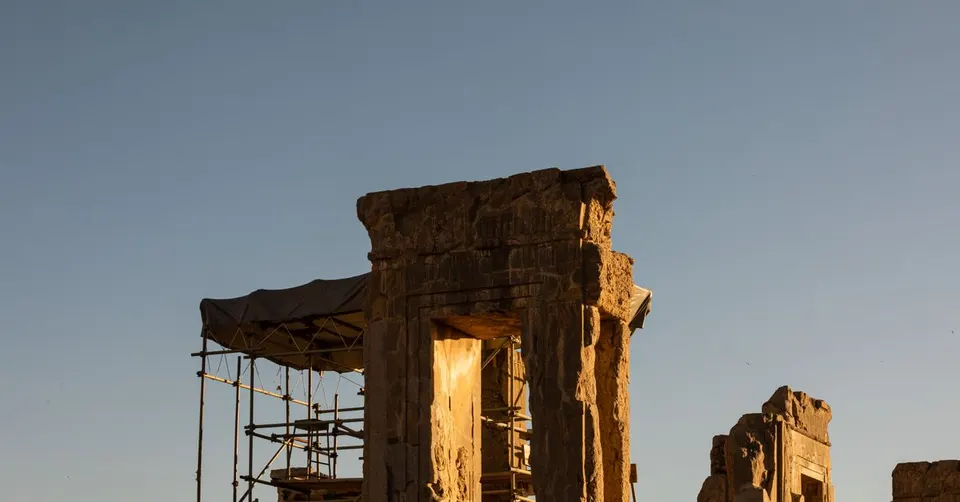
While the U.S. and Iran haggle over nuclear and economic terms, Russia is doubling down on its cultural and strategic partnership with Tehran. Hojjatollah Ayoubi, head of the Center for International Affairs and Diplomacy at Iran’s Ministry of Cultural Heritage, announced that Moscow has declared its readiness to assist in the restoration of Iranian historical sites damaged by what he described as U.S. and Israeli military aggression. This offer of "soft power" assistance highlights the deep-rooted ties between the two nations, which have grown significantly closer over the past several years of shared isolation from Western markets. The restoration projects are not just about bricks and mortar; they represent a strategic signal that Russia intends to remain a primary partner for Iran regardless of any deal with Washington. For the Iranian public, this partnership offers a sense of continuity and protection for national heritage during times of conflict. However, it also raises questions about how much influence Moscow will retain if Iran successfully re-integrates into the global financial system. The move ensures that even if a peace deal is signed today, the geopolitical alignment of the region remains firmly multipolar.
Market Outlook: Bitcoin and the "Risk-On" Pivot
In the world of digital assets, the potential for an Iran-U.S. peace deal is being viewed as a massive "risk-on" catalyst. Bitcoin is currently pressing against the $64,700 resistance level, trading at $64,443. Crypto analysts, including Michaël van de Poppe, have noted that a deal resulting in the reopening of the Strait of Hormuz would likely flush liquidity back into speculative assets. The logic is simple: less geopolitical friction in the Middle East reduces the global "fear premium," encouraging investors to move out of safe havens like the US Dollar and into growth-oriented assets like cryptocurrencies and equities. Despite the optimism in the crypto space, the gold market is showing signs of a correction. With the global gold ounce price at $4,220.30, the 1.7% drop in the Emami coin in Iran suggests that local investors are hedging against a stronger Toman. If a deal is indeed signed today, we could see a sharp divergence where the Toman continues to gain strength while traditional hedges like gold lose their luster. For Iranian traders, the next 24 hours are critical; the gap between Trump’s rhetoric and the reality of the signing ceremony will determine whether this market rally is a sustainable trend or a temporary spike driven by headlines.
Frequently Asked Questions
Why is the Iranian Toman strengthening today?
What is the discrepancy between the US and Iran regarding the peace deal?
How did the UK's seizure of a Russian tanker affect markets?
Is Bitcoin expected to rise if the Iran deal is signed?
How Geopolitical Events Influence Currency Exchange Rates
Geopolitical events, such as the prospect of an international peace deal or the imposition of sanctions, exert a profound and immediate influence on a nation's currency exchange rate. This phenomenon, often driven by market sentiment and expectations, can lead to significant fluctuations, as seen with the strengthening of the Iranian Toman following signals of an imminent Iran deal.
Currency values are fundamentally determined by supply and demand. When there's an expectation of improved economic conditions—perhaps due to the lifting of sanctions, increased foreign investment, or greater stability—investors and traders anticipate a stronger economy. This leads to increased demand for the local currency (to invest in the country or conduct future trade), causing its value to rise relative to other currencies like the USD. Conversely, political instability or the threat of sanctions can trigger capital flight and decreased demand, leading to depreciation.
The recent strengthening of the Iranian Toman, even on the signal of a potential deal, perfectly exemplifies this. Markets react not just to actual events but also to credible expectations. A major deal could imply the easing of economic isolation, potentially unlocking frozen assets, boosting oil exports, and attracting foreign capital. These future prospects are immediately priced into the currency's value, reflecting a collective belief in a more stable and prosperous economic outlook for Iran.
Such currency movements have far-reaching consequences. A stronger Toman makes imports cheaper, potentially reducing inflation for consumers but making exports more expensive and less competitive. It can also signal increased confidence among investors, encouraging long-term economic growth. For ordinary citizens, currency stability or appreciation can mean greater purchasing power and a more predictable economic environment, directly impacting their daily lives and financial well-being.