Swiss Reject Population Cap as Regional Tensions Flare: Beirut Strikes and Tanker Seizures Shake Markets
رد طرح محدودیت جمعیت در سوئیس همزمان با تشدید تنشهای منطقهای؛ از حملات بیروت تا توقیف نفتکش در کانال مانش
Switzerland voters have rejected a controversial 10-million population cap, prioritizing economic growth over migration limits. Meanwhile, Israeli strikes on Beirut and the UK's seizure of a Russian shadow fleet tanker have injected fresh volatility into global energy markets and the Toman exchange rate.
At time of publishing
USD
171,200
Toman
Gold 18K
17.49M
Toman / gram
Bitcoin
$64,438
US Dollar
Tether
171,983
Toman
Switzerland Rejects 10-Million Population Cap Amid Economic Concerns
In a landmark referendum held this Sunday, Swiss voters have officially rejected a proposal to cap the national population at 10 million residents. The initiative, which was framed by its proponents as a necessary step toward environmental sustainability and the preservation of Swiss infrastructure, faced stiff opposition from the country’s business sector and major political parties. Opponents argued that such a rigid limit would severely cripple the labor market, particularly in high-tech and healthcare sectors that rely heavily on skilled foreign workers. Projections showed that the Swiss population, which has grown significantly since 2000, is a primary driver of its robust GDP, and a cap would have likely led to a stagnation similar to Japan’s demographic challenges.

The rejection of this measure signals a preference for economic pragmatism over isolationist policies. For global markets, this is viewed as a stabilizing move for the Swiss Franc and the broader European labor market. Had the cap passed, it would have introduced significant uncertainty regarding Switzerland’s bilateral agreements with the European Union, potentially leading to a diplomatic rift. Instead, the focus now shifts back to how the country will manage its housing crisis and infrastructure strain without resorting to hard population limits, a dilemma that many Western nations are watching closely as they grapple with their own migration debates.
UK Forces Board Russian Shadow Fleet Tanker in English Channel
Geopolitical tensions in European waters reached a new peak this morning as British armed forces successfully intercepted and boarded a Russian "shadow fleet" oil tanker in the English Channel. Prime Minister Keir Starmer confirmed the operation, stating that the vessel was operating in violation of international sanctions and posed a safety risk to maritime traffic. Ukrainian President Volodymyr Zelenskyy was quick to thank the UK for the decisive action, noting that depriving Russia of oil revenues is the most direct way to limit its military capabilities. The use of the shadow fleet—uninsured and often dilapidated vessels used to bypass price caps—has been a major point of contention in the global energy trade.
This incident has immediate implications for oil price stability and maritime insurance premiums. While President Trump has recently claimed that secret missions have moved millions of barrels through other blocked routes like the Strait of Hormuz, the UK's move shows that European powers are tightening the noose on illicit energy transfers. For investors, this signals a period of heightened "shipping risk" which often translates to higher volatility in energy-related equities. The boarding also serves as a warning to other operators in the shadow fleet, suggesting that the era of looking the other way at sanction-evading tankers may be coming to a definitive end.
Beirut Airstrikes and the Fragile Path to a Regional Deal
As rumors of a Sunday peace deal between the United States and Iran circulated, the reality on the ground took a violent turn. Israeli airstrikes targeted the southern suburbs of Beirut, specifically the Dahiyeh district, following reported drone fire from Hezbollah. The strikes resulted in multiple casualties and have cast a dark shadow over the diplomatic efforts led by the Trump administration. Iran has maintained that any comprehensive regional agreement must include protections for Lebanon, and this latest escalation makes the signing of a "grand bargain" increasingly complicated. The timing of the strikes suggests a deliberate attempt by regional actors to test the boundaries of any potential ceasefire or diplomatic framework before it is finalized.
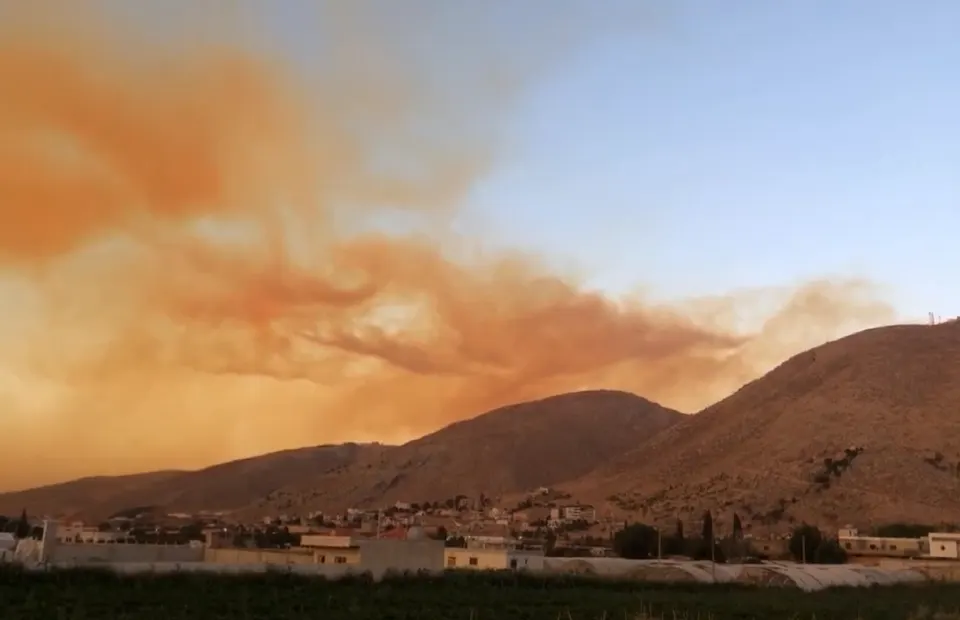
In the Iranian domestic market, these strikes have halted the brief period of calm. The US Dollar (USD) moved from 170,300 to 171,200 Toman, a 0.5% increase, reflecting the immediate risk premium being priced in by local traders. While there is still hope for a diplomatic breakthrough, the "shadow war" between Israel and regional proxies continues to be the primary driver of market sentiment. If the strikes continue, the psychological support for the Toman may weaken, regardless of the progress made in back-channel talks in Geneva or Muscat. For now, the market is in a "wait and see" mode, balanced between the optimism of a deal and the reality of ongoing kinetic conflict.
Market Update: Gold Rises as Emami Coin Corrects
The financial markets at 16:00 Tehran time show a divergence between different asset classes. Gold 18k/gram rose from 17,410,314 to 17,491,573 Toman (+0.5%), tracking the slight rise in the USD and the continued strength of global gold prices, which currently sit at $4,220.30 per ounce. Interestingly, the Emami coin saw a downward correction, moving from 175,000,000 to 173,000,000 Toman (-1.1%). This drop in the coin premium suggests that some retail investors are taking profits or shifting their liquidity into physical gold or foreign currency as they hedge against the weekend's geopolitical uncertainty.
In the crypto space, Bitcoin (BTC) is currently trading at $64,438. Despite the $36 million hack of the Humanity Protocol involving suspected North Korean actors, the broader crypto market has remained resilient. SpaceX’s continued involvement in the crypto ecosystem and rebounding ETF inflows have provided a floor for prices. For Iranian investors, the USDT rate at 171,983 Toman remains a key indicator of local demand for digital assets as a hedge against currency devaluation. As we move into the evening session, all eyes remain on the headlines from Beirut and the potential for a late-night diplomatic announcement.
Frequently Asked Questions
Why did Swiss voters reject the 10-million population cap?
What is a 'shadow fleet' tanker and why did the UK seize it?
How are the Beirut strikes affecting the Iranian Toman?
Understanding the 'Shadow Fleet' in Global Shipping
The term "shadow fleet," also known as a "dark fleet," refers to a clandestine armada of aging oil tankers and cargo ships operating outside conventional maritime regulations, often to circumvent international sanctions. This phenomenon has gained prominence, particularly since the imposition of Western sanctions on Russian oil following the invasion of Ukraine. These vessels typically operate with opaque ownership structures, frequently change flags, and often disable their Automatic Identification System (AIS) transponders, making their movements untraceable and earning them the moniker "dark."
The emergence of the shadow fleet is a direct response to efforts by nations and blocs, such as the UK and the EU, to restrict the flow of sanctioned commodities, primarily Russian oil. By operating outside the traditional regulatory and insurance frameworks, these tankers can transport oil at prices above the G7 price cap, often to countries willing to purchase it without adhering to sanctions. This practice not only undermines the effectiveness of sanctions but also introduces significant risks to global shipping and the environment.
Operating with minimal oversight, older vessels, and often without proper insurance from reputable providers, the shadow fleet poses substantial environmental and safety hazards. Accidents involving these ships, which are less likely to undergo rigorous inspections or adhere to international safety standards, could lead to catastrophic oil spills with devastating ecological and economic consequences. Furthermore, their illicit operations complicate maritime security, making it harder to track potential threats or respond to incidents, ultimately contributing to the "regional tensions" and market instability mentioned in the headline.