Beirut Strikes Push Peace Deal to the Edge: Iran Warns of 'Red Lines' as Toman Ticks Up
حملات بیروت توافق صلح را به لبه پرتگاه برد: هشدار شورای عالی امنیت ملی درباره «خطوط قرمز» همزمان با نوسان دلار
A critical Israeli airstrike on Beirut's Dahiyeh district has sent shockwaves through diplomatic channels, with Iran's National Security Council warning of an imminent response. As the rumored US-Iran peace deal teeters, the Toman edged up to 170,500, reflecting the market's growing anxiety over regional stability.
At time of publishing
USD
170,500
Toman
Gold 18K
17.39M
Toman / gram
Bitcoin
$63,665
US Dollar
Tether
172,398
Toman
Red Lines and Ruptured Ceasefires: The Beirut Crisis
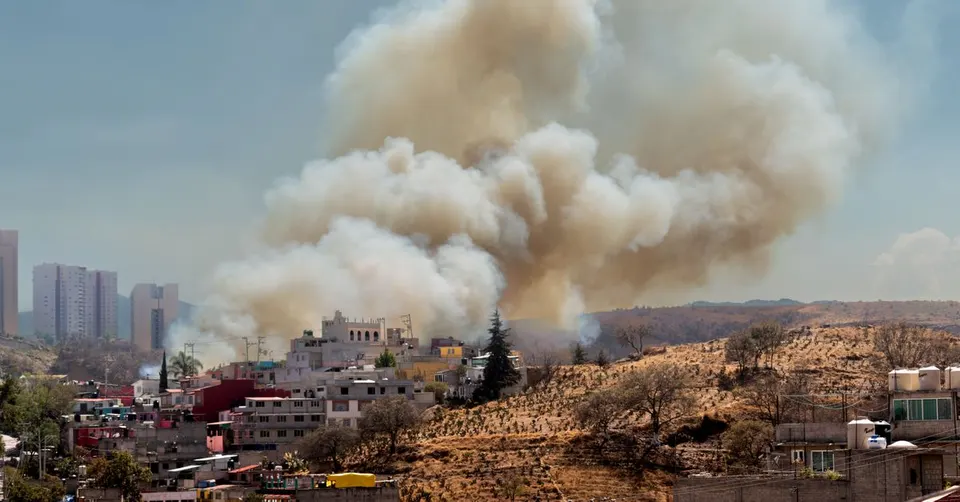
The fragile hope for a comprehensive regional settlement was severely tested this evening as Israeli airstrikes targeted the Dahiyeh district in southern Beirut. The Israeli military confirmed the strikes, characterizing them as a necessary response to Hezbollah's recent activities, but the timing could not be more precarious. In Tehran, the Secretary of the Supreme National Security Council (SNSC) issued a stern warning, stating that a violation of Iran’s "red lines" would not be tolerated and that a response is forthcoming. This escalation occurs just as rumors of a landmark peace deal between Tehran and Washington were reaching a fever pitch, leading many to wonder if the window for diplomacy is closing before it truly opens.
For market participants, the geopolitical friction translated into immediate, albeit measured, volatility. The USD/IRR exchange rate in the Tehran open market moved from 170,300 to 170,500 (+0.1%) during the late-night session, signaling a shift from the optimism seen earlier in the day. While the 24-hour change remains modest, the sentiment on the ground is one of high alert. If the SNSC's promised response manifests as a direct military action, the Toman could face significant downward pressure, reversing the gains made over the past week of optimistic diplomatic signaling. Gold 18k/gram also saw a slight correction, moving from 17,410,314 to 17,389,999 (-0.1%), as some traders moved to realize profits before potential overnight escalations.
Trump’s Octagon Diplomacy: UFC and Stablecoins at the White House
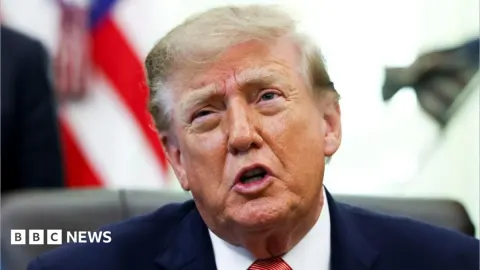
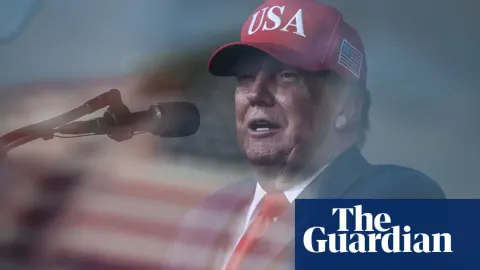
While the Middle East teeters on the brink, Washington is witnessing a surreal fusion of combat sports, political celebration, and financial technology. President Donald Trump, celebrating his 80th birthday, transformed the White House South Lawn into a massive UFC arena for the "Freedom 250" event. Beyond the spectacle of cage fighting, the event served as a major launchpad for World Liberty Financial, a Trump-backed crypto initiative. It was announced that UFC fighter bonuses would be paid out in USD1, a new stablecoin, marking one of the most high-profile integrations of digital assets into the executive branch's sphere of influence to date.
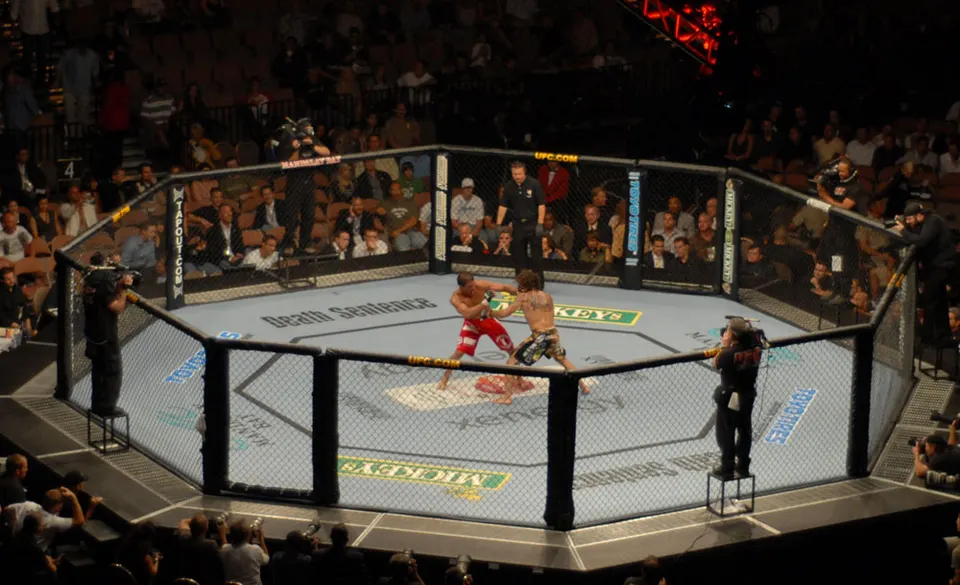
This move is more than just a birthday stunt; it represents a calculated attempt to solidify the "crypto-president" narrative. By utilizing a stablecoin for high-visibility athlete payments, the administration is signaling a future where digital dollars play a central role in the American economy. However, the event is not without its critics, as heavy thunderstorms threatened to disrupt the outdoor festivities and political opponents questioned the optics of hosting a blood-sport event on federal grounds. For Iranian crypto users, this development is a double-edged sword: while it promotes global crypto adoption, the potential for tighter US-led stablecoin regulations (to ensure USD1 dominance) could complicate access to liquidity in sanctioned regions.
Internal Cohesion and the Shadow of Conflict
Amidst the external threats, Iranian leadership is making a concerted effort to project internal strength and unity. Brigadier General Majid Mousavi, the Commander of the IRGC Aerospace Force, issued a message tonight urging the nation to preserve its "sacred national unity." Such statements from high-ranking military officials often precede periods of heightened tension, serving to consolidate the domestic front before any potential regional response. The emphasis on cohesion suggests that Tehran is preparing for multiple scenarios, ranging from a diplomatic breakthrough to a prolonged period of military readiness.
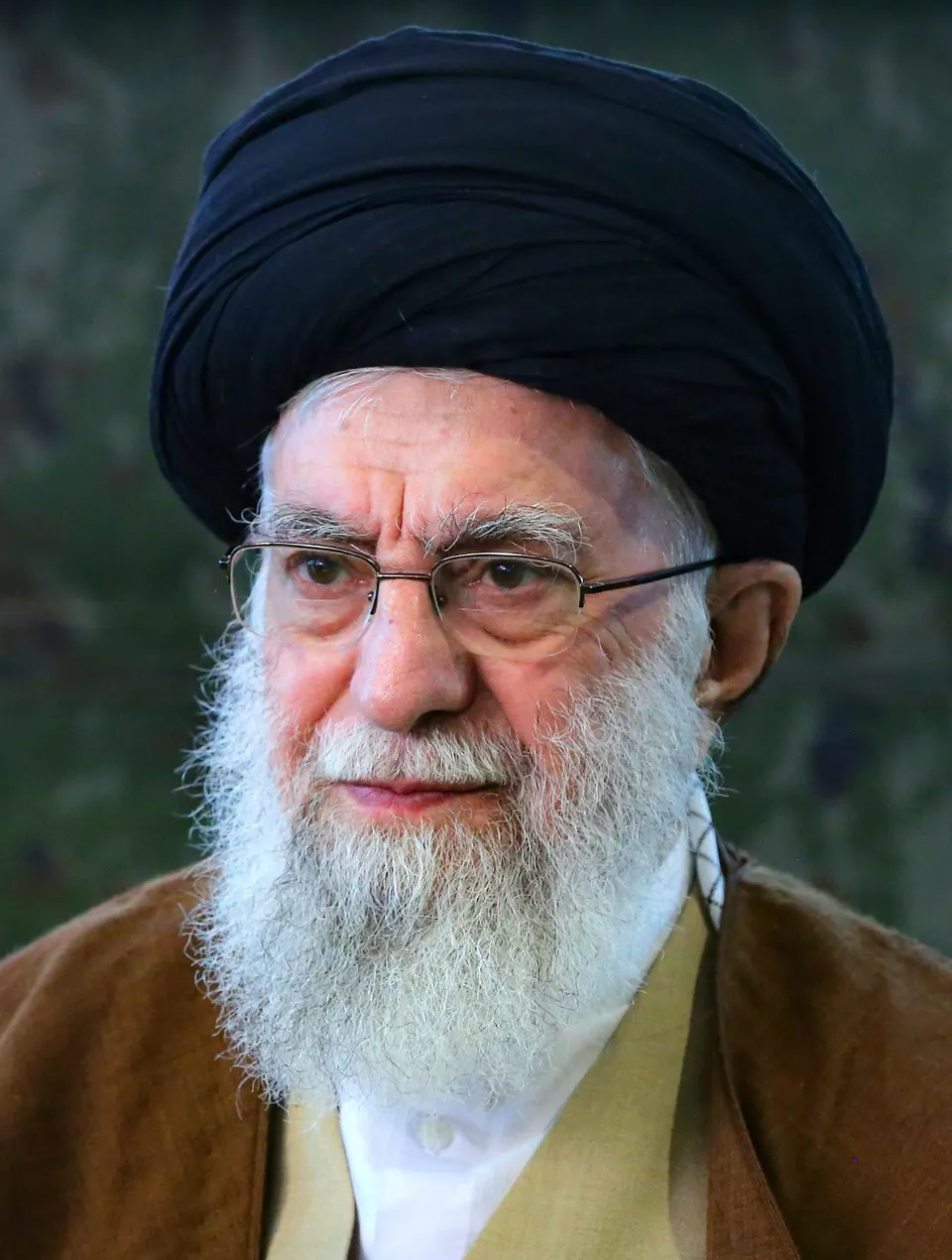
The economic impact of this domestic signaling is vital for the average citizen. While the Emami coin remained stable at 175,000,000 Toman, the underlying tension is palpable in the gold and currency shops of Ferdowsi Street. The public is caught between the hope for a deal that would lower prices and the fear of a conflict that would send them soaring. This "unity" message is designed to prevent panic-buying of foreign currency, which has historically been the primary driver of Toman devaluation during times of crisis. For now, the market is in a wait-and-see mode, watching the skies over Beirut and the diplomatic cables from Washington with equal intensity.
Frequently Asked Questions
How did the Beirut strike affect the Toman exchange rate?
What is the significance of the USD1 stablecoin payment at the White House?
Why is the IRGC Aerospace chief calling for national unity now?
Geopolitical Instability and Currency Depreciation: The Case of the Iranian Toman
Geopolitical events, such as regional conflicts, diplomatic tensions, or the imposition of international sanctions, frequently cast long shadows over a nation's economy, with one of the most immediate and visible impacts being the depreciation of its currency. This phenomenon, where a currency loses value relative to others, is a direct reflection of diminished confidence in the country's economic stability and future prospects. For a nation like Iran, consistently navigating complex geopolitical landscapes and facing stringent international sanctions, the value of its currency, the Toman (an informal but widely used term for the Iranian Rial), often serves as a sensitive barometer of political tides.
The mechanism through which geopolitical instability weakens a currency is multifaceted. Heightened risk deters foreign investment, as international businesses become hesitant to commit capital to an uncertain environment. Simultaneously, domestic investors might seek safer havens abroad, leading to capital flight. Trade can also become more challenging and expensive due to sanctions or increased shipping risks, reducing the inflow of foreign currency. All these factors decrease the demand for the domestic currency on international markets while increasing the demand for foreign currencies, inevitably pushing down its value.
The consequences of a rapidly depreciating currency are severe for the average citizen. It directly fuels inflation, particularly for imported goods, as more local currency is needed to purchase the same amount of foreign goods and services. This erosion of purchasing power can significantly reduce living standards and savings. In response, local assets like gold often become attractive as a hedge against inflation and currency devaluation, explaining why gold prices in Tehran, for instance, might surge during times of geopolitical stress.
Iran's economy, already constrained by decades of international sanctions primarily targeting its nuclear program and financial sector, is especially vulnerable to geopolitical shocks. Warnings of "red lines" and escalating regional tensions, as hinted in the headline, amplify investor uncertainty and can trigger further declines in the Toman's value. Understanding this direct link between political stability and currency strength is crucial for comprehending the broader economic challenges faced by countries in volatile regions.