Trump Urges Restraint as Beirut Strikes Rattle Markets; Toman Slips 0.6% Amid Deal Delays
هشدار ترامپ به خویشتنداری پس از حملات بیروت؛ افزایش ۰.۶ درصدی دلار در سایه تعویق توافق
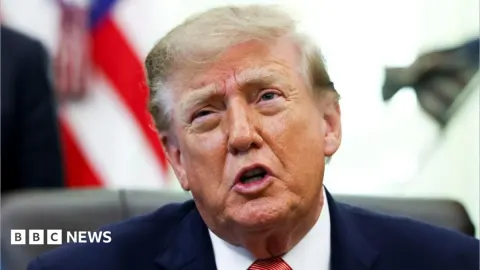
President Trump has called for an immediate stand-down after Israeli strikes on Beirut's outskirts threatened to derail a pending peace framework with Tehran. While regional tensions flared, the Iranian Toman saw a modest 0.6% decline, and global markets remained on edge awaiting a definitive signature.
At time of publishing
USD
171,300
Toman
Gold 18K
17.50M
Toman / gram
Bitcoin
$64,022
US Dollar
Tether
171,920
Toman
The Beirut Escalation: Trump’s Diplomatic Tightrope
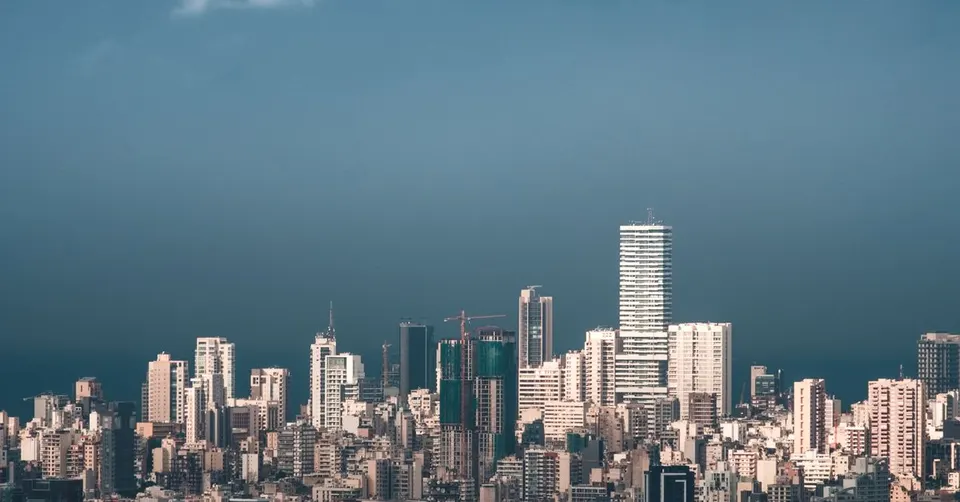
As the sun sets over Tehran this Sunday, the geopolitical landscape has shifted from cautious optimism to high-stakes damage control. Following Israeli airstrikes on the southern suburbs of Beirut—a stronghold of Hezbollah known as Dahiyeh—President Trump has issued an urgent plea for restraint. The strikes, which Israel claims were a response to rocket fire, have come at the worst possible moment for diplomats. Trump’s message was blunt: "Let’s not blow it." This refers to the framework peace agreement with Iran that has been teased for days. The White House is clearly concerned that a full-scale regional escalation could vaporize the diplomatic capital invested in the "Sunday Deal."
For the Iranian public, this escalation has immediate economic consequences. The Toman, which had shown signs of strengthening earlier in the week, reacted with a nervous tick. In the last 24 hours, the USD sell rate moved from 170,300 to 171,300 Toman, a 0.6% increase. While not a crash, it reflects the "wait-and-see" anxiety of the bazaar. If the strikes lead to a sustained Hezbollah retaliation, the market's expectation of a sanctions-lifting deal could shift back toward a war-footing hedge, driving gold and hard currency higher. Currently, gold 18k has also followed this trend, rising 0.5% to reach 17,501,731 Toman per gram.
Market Realities: No Deal Yet and the Stablecoin Floor
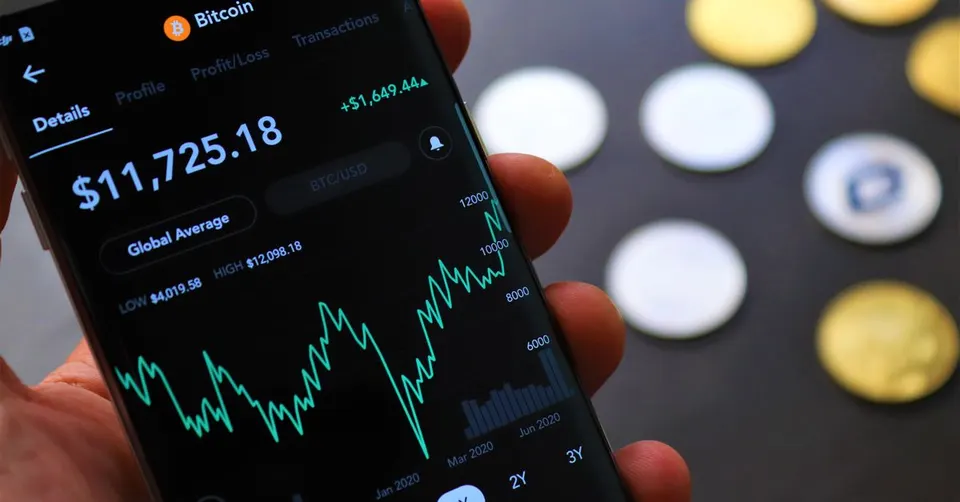
Despite the flurry of headlines suggesting a peace deal was imminent, the reality on Wall Street and in Tehran is one of calculated hesitation. Dow Jones futures remained relatively flat as investors processed the news that no official signature has been placed on the US-Iran agreement. This "deal fatigue" is starting to show in the numbers. While Bitcoin is hovering around $64,022, analysts are pointing to a massive $273 billion floor in stablecoins that isn't leaving the ecosystem. This suggests that while traders are hesitant to buy the top, they are not yet fleeing to fiat, keeping the crypto market in a state of suspended animation until the geopolitical fog clears.
Beyond the Middle East, the broader market is looking toward major technological milestones to maintain momentum. SpaceX’s upcoming test flight and the performance of high-growth AI stocks are being watched as "moonshot" indicators. However, the Federal Reserve’s upcoming policy signals could test the theory that high interest rates can coexist with an AI-driven bull market. For Iranian investors, the stability of the Tether (USDT) at 171,920 Toman remains the primary gateway for capital flight or preservation, serving as a more accurate barometer of local sentiment than the official bank rates.
The "Australia Plus" Ban: A New Era of Tech Regulation
In a move that could redefine the global relationship between teenagers and technology, UK Prime Minister Keir Starmer is set to announce a sweeping "Australia plus" ban on social media for under-16s. This policy goes beyond simple age verification; it seeks to fundamentally restrict how young people interact with platforms like TikTok, Instagram, and X. Sources suggest the ban will include hardline measures preventing minors from talking to strangers on gaming apps and a mandatory "no-scroll" period after 8:30 PM for older teenagers. This is a significant escalation in the war against algorithmic addiction and online safety concerns.

This regulatory shift matters because it signals a move away from the "Wild West" era of the internet toward a more sovereign, protected digital space. If the UK successfully implements these measures, expect other nations—including those in the Middle East—to follow suit as they grapple with the social costs of unregulated digital consumption. For tech giants, this represents a major threat to their user growth metrics and engagement data, which could eventually bleed into their stock valuations. As governments realize they can indeed "turn off the tap" for certain demographics, the era of universal, borderless social media access appears to be closing.
World Cup 2026: A Global Distraction Amid Crisis
While the drums of war and the gears of regulation turn, the world’s most popular sport has officially taken center stage. The 2026 FIFA World Cup has kicked off in Mexico City, providing a rare moment of global unity. From the Pope visiting the Sagrada Familia in Barcelona to the festive atmosphere in the streets of Mexico, the "week in pictures" highlights a world desperate for normalcy. Even the White House is reportedly preparing for a high-profile "cage fight" showdown, illustrating how sports and spectacle are being used to manage public attention during times of intense geopolitical friction.
For Iran, whose national team has historically been a source of immense pride and a rare bridge to the West, the tournament offers a different kind of hope. The prospect of a peace deal coinciding with a major international sporting event creates a psychological backdrop of "opening up" that the country hasn't felt in decades. However, the scientific quest for the "perfect pitch" and the logistical massive scale of this 48-team tournament serve as a reminder that the world is moving forward with or without regional stability. Whether the Toman stabilizes or the Beirut strikes escalate, the ball has started rolling in Mexico City, and the world is watching.
Frequently Asked Questions
Why is President Trump calling for restraint after the Beirut strikes?
How has the Iranian Toman reacted to the recent Middle East tensions?
What is the 'Australia Plus' social media ban mentioned by the UK?
Geopolitical Risk and Currency Depreciation
Geopolitical risk refers to the potential for political events, conflicts, or instability in one region to significantly impact global economic and financial conditions. Such risks can range from military conflicts and terrorist acts to political coups, trade wars, and even major policy shifts by influential nations. When these events unfold, they introduce a high degree of uncertainty into markets, causing investors to re-evaluate the safety and profitability of their assets. This re-evaluation often leads to a flight to safety, where capital moves away from perceived riskier assets or regions towards more stable ones.
One of the most immediate and visible impacts of escalating geopolitical risk is on a nation's currency. When investors perceive increased risk within a country—perhaps due to an ongoing conflict, the threat of sanctions, or political deadlock—they tend to sell off assets denominated in that country's currency. This might include government bonds, stocks, or even bank deposits. As these investors convert their local currency holdings into more stable foreign currencies, typically the US Dollar or other major reserve currencies, the supply of the local currency in the foreign exchange market increases while its demand falls.
This imbalance between supply and demand directly leads to currency depreciation. The local currency loses value relative to foreign currencies, meaning it takes more units of the local currency to buy one unit of a foreign currency. For instance, if the Iranian Toman "slips 0.6%," it means the Toman has weakened against the US Dollar or other reference currencies. This depreciation can have significant economic consequences, making imports more expensive, potentially fueling inflation, and eroding the purchasing power of citizens. It also makes a country's exports cheaper for foreign buyers, though the overall economic impact depends on many other factors.