Peace Deal on the Brink: Iranian Hardliners Rebel as Beirut Strikes and Tanker Seizures Ignite Market Volatility
توافق صلح در لبه پرتگاه: شورش تندروها در تهران همزمان با حملات بیروت و توقیف نفتکش روسی
A proposed peace deal between Tehran and Washington faces its toughest hour as Iranian hardliners label it 'capitulation' while Israeli strikes in Beirut threaten to derail negotiations. Meanwhile, the British seizure of a Russian shadow fleet tanker has added a fresh layer of geopolitical risk to global markets.
At time of publishing
USD
171,100
Toman
Gold 18K
17.48M
Toman / gram
Bitcoin
$64,108
US Dollar
Tether
173,400
Toman
Hardline Backlash Threatens the 'Trump-Tehran' Accord
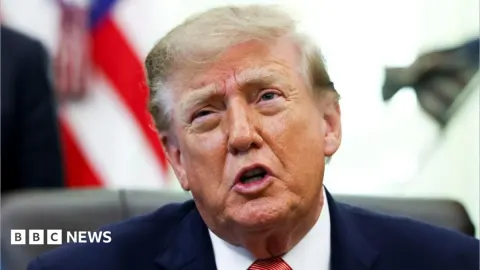
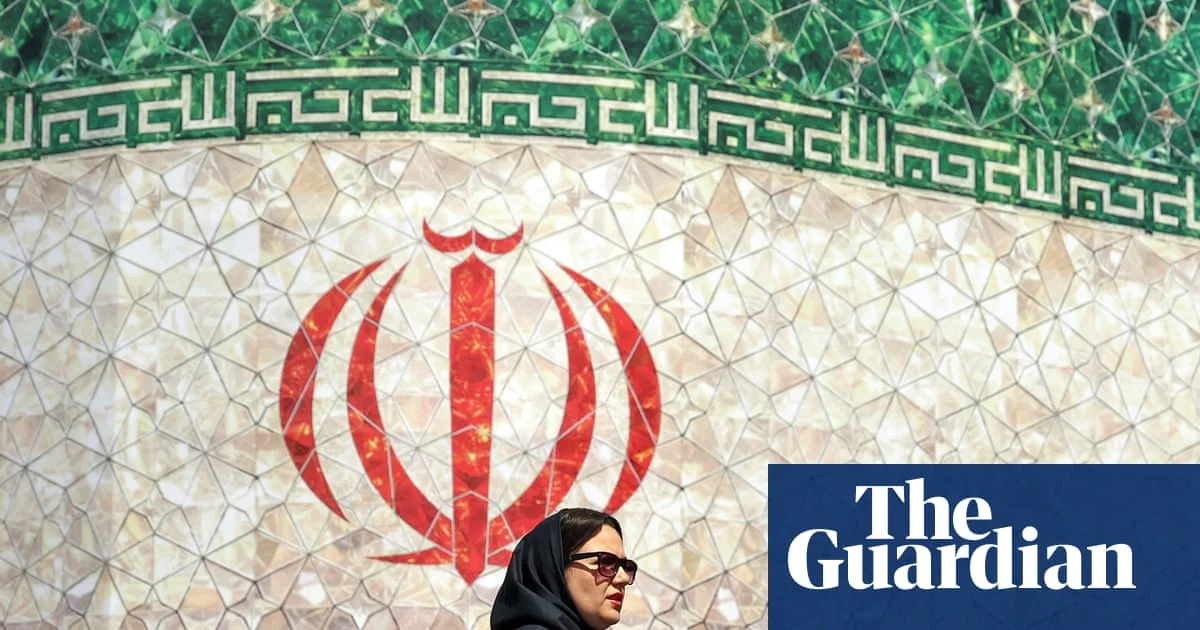
The domestic political landscape in Iran has shifted dramatically over the last few hours as influential hardliners mount a fierce campaign against the proposed peace deal with the United States. Prominent figures, including MP Kamran Ghazanfari and Meysam Nili, have publicly denounced the agreement as a "catastrophic capitulation." They argue that the terms do not provide ironclad guarantees for permanent sanctions relief or Iranian sovereignty over the Strait of Hormuz. This internal friction is creating a sense of paralysis within the regime's decision-making circles, just as the world waits for a potential signing ceremony that Donald Trump had previously hinted could occur as early as Sunday.
This vocal opposition is not merely rhetorical; it is having a direct impact on market sentiment. Traders in the Tehran bazaar are increasingly skeptical that a deal can be finalized without a significant internal purge or a major concession from Washington. As a result, the Iranian Toman has felt the pressure. The USD/IRR exchange rate moved from 170,300 to 171,100, representing a 0.5% depreciation within the last 24 hours. The market is pricing in the risk that the "peace dividend" may be delayed or derailed entirely by these domestic spoilers who view any rapprochement with the West as a betrayal of the revolutionary legacy.
Beirut Strikes and the Fragility of Regional De-escalation
The geopolitical tightrope became even more precarious this evening following an Israeli airstrike on a Beirut suburb that reportedly killed three people. Israel claims the operation targeted high-ranking members of the Iran-backed Hezbollah, but the timing could not be worse for diplomatic efforts. Tehran has issued a stern warning, suggesting that such "provocations" could render the pending US-Iran deal DOA (dead on arrival). The Lebanese government is struggling to contain the fallout, while Hezbollah's response remains the ultimate wild card that could ignite a broader regional conflict.
For the average investor or citizen in Iran, this escalation translates to a spike in the "war premium" on essential goods and assets. Gold prices have already begun to react to the news of the Beirut strike. Gold 18k/gram rose from 17,410,314 to 17,481,416 (+0.4%), as buyers seek the safety of bullion amidst the uncertainty of a military flare-up. If the strike leads to a retaliatory cycle, the fragile progress made in the secret channels between Muscat and Washington may evaporate, leaving the Iranian economy trapped in its current cycle of high inflation and restricted trade.
British Naval Intervention: The Seizure of the 'Smyrtos'
In a move that has stunned energy markets, British Royal Marine commandos intercepted and seized a Russian shadow fleet oil tanker, the Smyrtos, in the English Channel. Prime Minister Keir Starmer characterized the operation as a "blow to Putin's war machine," marking the first time the UK has directly led a naval capture of a sanctioned vessel since the invasion of Ukraine began. The tanker was reportedly carrying Russian crude destined for India, navigating a route that has become a vital artery for Moscow to bypass Western price caps and sanctions.
This development adds another layer of complexity to the global energy landscape. While the direct impact on oil prices has been somewhat muted by the ongoing Iran deal rumors, the precedent of seizing shadow fleet vessels in international waters could lead to supply disruptions. For Iran, which also utilizes a complex network of "ghost ships" to export its oil, the UK's aggressive stance is a sobering reminder of the risks involved in sanctions evasion. Market participants are now watching closely to see if other European nations follow London's lead, which could significantly tighten the global oil market and increase the cost of shipping for sanctioned regimes.

Market Summary and the Path Ahead
As of 20:00 Tehran time, the markets are in a state of high-tension equilibrium. Bitcoin remains relatively stable at $64,108, showing that the crypto markets are waiting for more definitive news regarding the US-Iran deal before making a major move. However, the local Iranian markets are clearly more sensitive to the immediate headlines. With the Emami coin holding steady at 175,000,000 Toman, there is a clear wait-and-see approach among major bullion dealers. The next few hours will be critical as the Governor of Tehran prepares the city for the funeral ceremonies of the late Leader, an event that will undoubtedly bring the country to a standstill and potentially serve as a backdrop for major political announcements.
The intersection of domestic dissent, regional military action, and international sanctions enforcement has created a perfect storm of volatility. Investors are advised to keep a close eye on the USD/IRR rate, as any breach of the 172,000 level could signal a total loss of confidence in the peace process. Conversely, if a deal is signed despite the noise, we could see a historic correction in the Toman's value. For now, the world holds its breath as the clock ticks toward a deadline that could redefine the Middle East for a generation.
Frequently Asked Questions
Why are Iranian hardliners opposing the peace deal now?
How did the Beirut strike affect the Toman exchange rate?
What is the significance of the UK seizing a Russian tanker?
Is the peace deal officially canceled?
Geopolitical Risk and Currency Volatility
Geopolitical risk refers to the uncertainty and potential disruption to global stability and economic activity arising from international political events. These events can range from armed conflicts and diplomatic disputes to policy shifts, elections, and the imposition of sanctions. When such risks emerge, they create an environment of unpredictability that directly impacts financial markets, as investors become wary of potential losses, trade disruptions, and changes in economic fundamentals. The perceived stability of a region or nation is crucial for investment and trade, and geopolitical tensions erode this confidence, leading to a ripple effect across economies.
Currencies are particularly sensitive barometers of geopolitical risk. A nation's currency reflects confidence in its economic stability, political governance, and future prospects. When geopolitical tensions escalate, investors may lose faith in a country's economic outlook, leading to capital flight – the rapid withdrawal of funds from that country. This increased selling pressure on the domestic currency, coupled with a higher demand for safer haven currencies like the US dollar, causes the local currency to depreciate rapidly, exhibiting significant volatility. For example, the Iranian rial (IRR) has frequently experienced sharp fluctuations in response to international political developments and sanctions.
The mechanisms linking geopolitical events to currency volatility are multifaceted. Events like the potential collapse of a peace deal, military strikes, or the seizure of vessels can signal increased instability, potential for sanctions, or disruption to vital trade routes. These signals immediately influence investor sentiment, leading to speculative trading, changes in import/export dynamics, and shifts in foreign direct investment. Furthermore, the actual imposition or threat of sanctions can restrict a country's access to international markets, limit its ability to export key commodities, and complicate financial transactions, all of which directly undermine the currency's value and increase its instability.