Peace Deal on the Brink: Beirut Strikes Jeopardize Trump’s Sunday Signing as Toman Slips
توافق صلح در لبه پرتگاه؛ حملات بیروت در آستانه امضای قرارداد ترامپ و نوسان دلار
As President Trump prepares for a historic Sunday signing of a Middle East peace deal, Israeli airstrikes in Beirut have sparked a diplomatic firestorm. Tehran warns the escalation proves a lack of American resolve, while the Toman faces slight pressure in local markets.
At time of publishing
USD
171,600
Toman
Gold 18K
17.53M
Toman / gram
Bitcoin
$64,256
US Dollar
Tether
172,998
Toman
The Sunday Signing Paradox: Diplomacy Under Fire
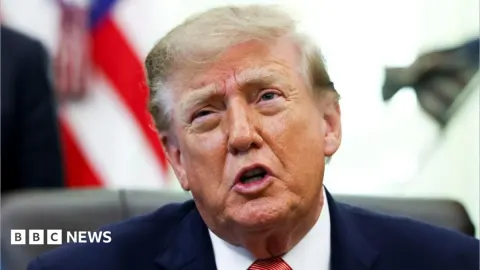
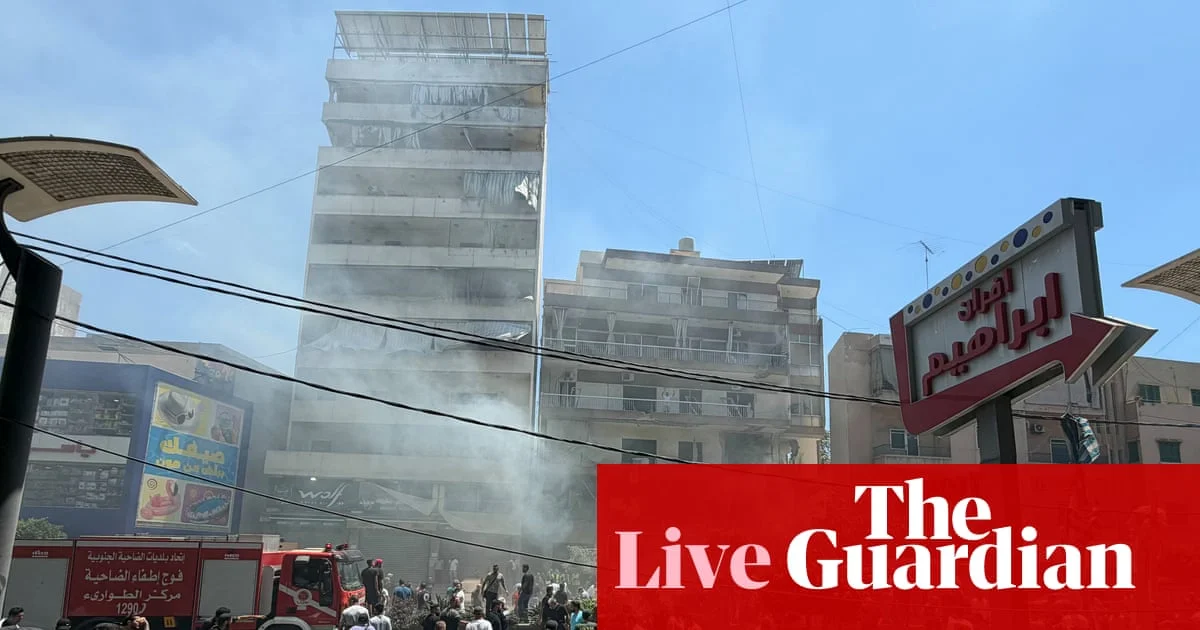
Donald Trump’s high-stakes gamble for a historic "Sunday Peace Deal" is facing its most brutal test yet as Israeli airstrikes rocked the southern suburbs of Beirut this afternoon. While the White House remains optimistic that a framework agreement involving the reopening of the Strait of Hormuz could be signed within hours, Tehran has issued a blistering response. Iran’s top negotiators stated that the escalation in Lebanon, specifically the targeting of Dahiyeh, demonstrates either a lack of American will to enforce its commitments or a total loss of control over its regional allies.
This friction creates a volatile backdrop for the Toman. In the last 24 hours, the USD/IRR exchange rate moved from 170,300 to 171,600, marking a 0.8% increase as traders hedge against the possibility of the deal collapsing at the eleventh hour. The "risk-on" sentiment that briefly cooled prices earlier today has been replaced by a cautious wait-and-see approach. For Iranian citizens, the opening of the Strait of Hormuz is the "golden prize" of this deal, but the smoke over Beirut suggests the path to maritime freedom remains blocked by tactical escalations.

Internal Security Tightens Amidst Diplomatic Brinkmanship
While the eyes of the world are on the diplomatic theater, Iran’s Ministry of Intelligence has moved to secure the home front. Official reports confirmed the arrest of 126 individuals linked to foreign-sponsored rioting networks, alongside four associates of a defunct Daesh cell and a mercenary allegedly tied to Israeli intelligence. This massive sweep suggests that the Iranian state is anticipating potential internal friction or "sabotage" attempts intended to derail the ongoing peace negotiations or capitalize on the current geopolitical uncertainty.
For the average observer, these arrests signal a dual-track strategy by Tehran: maintaining a hardline stance on domestic security while engaging in the highest levels of international diplomacy. This internal stability is crucial for the currency markets; any perception of domestic unrest usually triggers a flight to hard assets. Currently, gold 18k per gram has risen from 17,410,314 to 17,532,203 (+0.7%), reflecting a steady demand for hedges despite the fluctuating narrative of the peace deal.
Global Debt Warnings and the Toman’s Divergence
Beyond the immediate regional conflict, global financial giants are sounding alarms that could indirectly impact Iran’s economic recovery. Pimco, one of the world's largest bond investors, warned today that defaults in debt markets are poised to restart as equity valuations become overstretched. This global tightening of credit comes just as tokenized treasury markets hit a record $14.6 billion, showing a massive migration of capital toward "safe" digital government debt. If global liquidity dries up, the "peace dividend" Iran expects from a deal might be smaller than anticipated.
In the local market, we are seeing a strange divergence. While the USD and raw gold prices are climbing, the Emami coin actually dropped from 175,000,000 to 174,000,000 (-0.6%). This suggests that the "bubble" or premium on minted coins is deflating as investors shift directly into the dollar or unworked gold. This trend indicates that while there is fear (driving gold up), there is also a lack of liquidity or a shift in speculative interest away from local minted coins toward more liquid international assets.
Frequently Asked Questions
Why is the Emami coin price falling while the USD is rising?
How do the Beirut strikes affect the proposed Iran-US peace deal?
What is the significance of the 126 arrests announced by the Ministry of Intelligence?
Geopolitical Risk and Currency Depreciation
Geopolitical risk refers to the potential for political instability, conflicts, or international tensions to disrupt global markets and economic activity. It encompasses a wide range of events, from regional wars and diplomatic crises to domestic political upheavals and policy uncertainty. Such risks introduce an element of unpredictability that can significantly influence investor sentiment, trade flows, and ultimately, the value of a nation's currency. When headlines speak of "Beirut strikes" or a "peace deal on the brink," they are highlighting events that heighten geopolitical risk, signaling potential disruptions to stability.
The primary mechanism through which geopolitical risk impacts currency value is by eroding investor confidence. When political stability is threatened, both domestic and international investors become wary of keeping their capital in the affected country. This often leads to "capital flight," where money is moved out of the country and into perceived safer assets or more stable economies. As investors sell off local assets and convert the local currency into foreign currencies (like the US dollar), the demand for the local currency decreases while the demand for foreign currency increases. This imbalance in supply and demand directly causes the local currency to depreciate or lose value against other major currencies.
Consider the situation where a "peace deal" is uncertain or regional conflicts escalate. For a country like Iran, where the Toman (the unofficial unit of the Iranian Rial) is already susceptible to external pressures, such geopolitical developments can have immediate and pronounced effects. The perceived increase in risk due to events like the "Beirut strikes" or the potential failure of a major diplomatic initiative can trigger widespread anxiety. Citizens and businesses, anticipating further economic instability or inflation, might rush to convert their savings from the local currency into more stable alternatives, such as gold (like the Emami coin, whose price drop is noted) or foreign currencies, further accelerating the Toman's slip against the USD.
Beyond currency depreciation, sustained geopolitical risk can lead to broader economic challenges. It can deter foreign direct investment, disrupt supply chains (as implied by concerns around the "Strait of Hormuz reopening"), increase import costs, and fuel inflation. For ordinary citizens, this translates into reduced purchasing power and a higher cost of living. Understanding this intricate link between political events and economic outcomes is crucial for comprehending why a nation's currency can rapidly lose value amidst regional tensions or diplomatic uncertainties.