Trump Signals Imminent Iran Deal in Putin Call as Missouri Crash Claims 12 Lives
سیگنال ترامپ برای توافق با ایران در تماس با پوتین؛ سقوط مرگبار هواپیما در میزوری با ۱۲ کشته
Donald Trump has reportedly informed Vladimir Putin that a peace deal with Iran is nearing completion, even as Israeli discontent grows and a tragic plane crash in Missouri leaves 12 dead. Meanwhile, the Toman saw a slight 0.3% depreciation as markets react to the shifting geopolitical landscape.
At time of publishing
USD
170,800
Toman
Gold 18K
17.39M
Toman / gram
Bitcoin
$63,764
US Dollar
Tether
173,200
Toman
Missouri Skydiving Tragedy: 12 Confirmed Dead
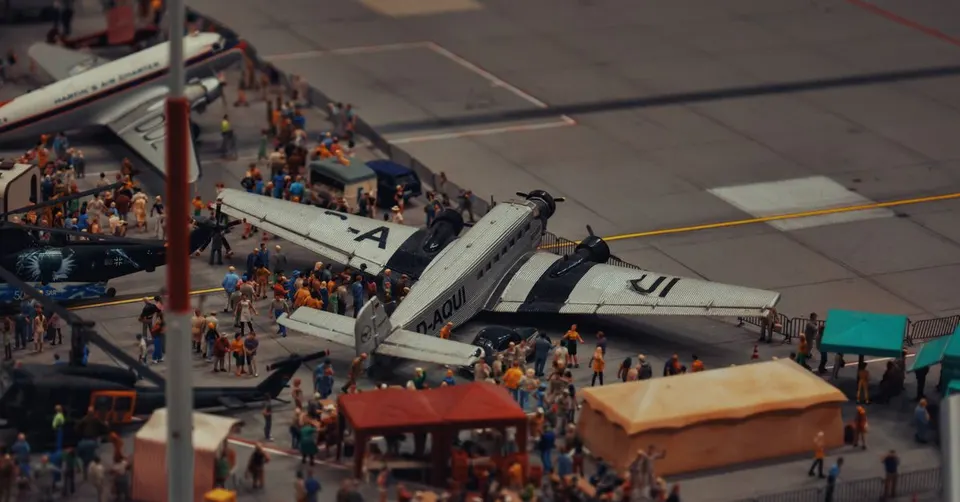
A devastating aviation accident occurred on Sunday morning near Butler, Missouri, claiming the lives of a pilot and 11 skydiving passengers. The private aircraft had just departed from Butler Memorial Airport around 11:30 AM local time when it reportedly encountered difficulties. According to Bates County emergency management officials, the plane attempted to turn back toward the airfield but failed to gain sufficient altitude, ultimately crashing near Business 49 Highway. The incident has sent shockwaves through the tight-knit skydiving community, marking one of the deadliest private aviation accidents in recent years.
Investigators from the FAA and local authorities are currently on-site to determine the exact cause of the failure. Early reports suggest a mechanical issue shortly after takeoff, though weather conditions at the time were considered stable. For the families involved, the tragedy is compounded by the scale of the loss; losing an entire group of twelve in a single flight is a rare and catastrophic event in recreational aviation. This crash highlights the ongoing safety debates surrounding the maintenance and regulation of older private aircraft used for high-occupancy activities like skydiving.
Trump-Putin Call: A 'Near' Peace Deal with Iran
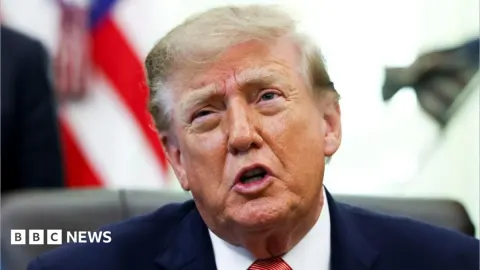
In a significant diplomatic development, Donald Trump held a "friendly and frank" one-hour phone call with Russian President Vladimir Putin on Sunday. During the conversation, Trump reportedly stated that the United States is nearing a comprehensive peace deal with Iran. This news, confirmed by Putin's adviser Yuri Ushakov, suggests that the administration is pushing for a resolution despite the ongoing regional friction. Trump also emphasized to Putin that ending the war in Ukraine remains a critical priority for his administration, offering his assistance to mediate a conclusion to that conflict as well.
However, this potential deal is facing stiff resistance from allies. In Israel, there is broad discontent across the political spectrum, with leaders arguing that the emerging agreement fails to address fundamental security threats posed by Tehran. Furthermore, Trump took to Truth Social to condemn recent Israeli strikes on Beirut, labeling them "unjustified" and warning that such escalations could jeopardize the delicate negotiations. For Iranian readers and investors, this diplomatic tug-of-war has created a volatile environment. The USD in Tehran's open market moved from 170,300 to 170,800 Toman (+0.3%) over the last 24 hours, reflecting a cautious "wait-and-see" approach by traders who are hedging against the possibility of the deal collapsing at the final hour.
World Cup 2026: Germany Dominates as Turf Science Takes Center Stage
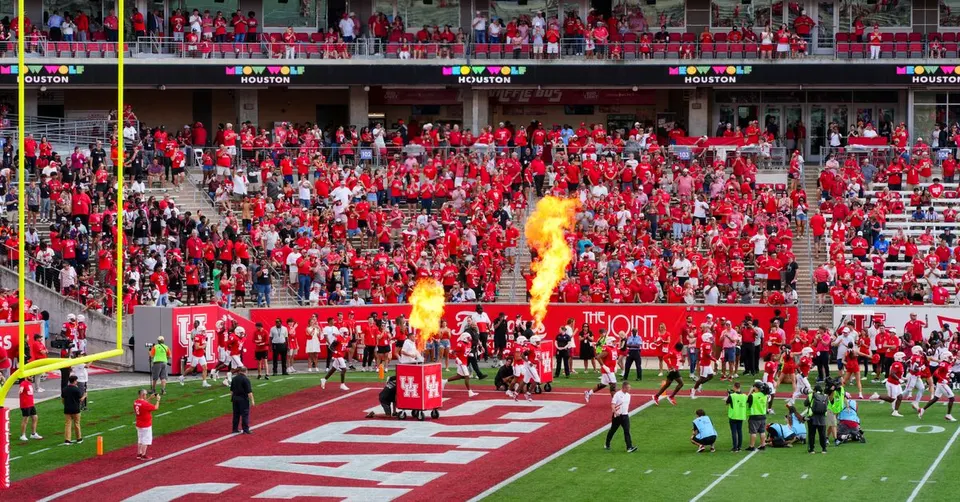
The 2026 World Cup kicked off with high drama as Germany clinicaly dismantled tournament debutant Curaçao with a 7-1 victory in Boston. While the scoreline suggested a mismatch, the match was a historic milestone for Curaçao, which saw Livano Comenencia score the nation's first-ever World Cup goal. The event showcased the immense gap between established football powerhouses and rising nations, but the spirit of the Curaçaoan fans, mostly hailing from the Netherlands, turned the stadium into a celebration of football's global reach.
Behind the scenes, the tournament is also a triumph of engineering. John Sorochan, a turf scientist at the University of Tennessee, has been the architect of a multi-million dollar effort to create the "perfect" playing surface for the 2026 games. This involves sophisticated technology to ensure that grass can thrive in diverse climates across North America. As the tournament progresses, the quality of these pitches will be under intense scrutiny, as they directly impact player safety and the speed of the game. For the global sports economy, the success of these innovations sets a new standard for future international competitions.
Swiss Migration Rejection and AI Security Leaks
In Europe, Swiss voters have officially rejected a controversial proposal to cap the country’s population at 10 million. Nearly 55% of participants voted against the measure, which sought to limit migration to preserve affordability and sustainability. The rejection signals a preference for maintaining current economic ties and labor mobility within Europe, despite rising concerns over housing costs. This decision is expected to stabilize the Swiss Franc and maintain the country's status as a hub for international labor, avoiding the economic isolation that critics feared a population cap would trigger.
Simultaneously, the tech world is reeling from reports that China may have gained unauthorized access to Anthropic’s "Mythos" AI model. A report from Semafor suggests that the White House's recent export restrictions were a direct response to fears that state-linked groups in China had infiltrated the system. If confirmed, the breach of Mythos 5 or Fable 5 represents a massive national security failure, as these models are at the cutting edge of generative intelligence. This development underscores the intensifying "AI Cold War" between Washington and Beijing, where the protection of intellectual property is now treated with the same urgency as nuclear secrets.
Frequently Asked Questions
Why is the US-Iran peace deal facing opposition in Israel?
What caused the tragic skydiving plane crash in Missouri?
How did the Iranian Toman react to the latest diplomatic news?
What was the result of the Swiss population cap referendum?
How International Sanctions Shape Iran’s Currency and Exchange Rates
International sanctions are tools used by governments to pressure a target country by restricting its access to global financial systems, trade, and investment. In Iran’s case, U.S. and EU sanctions have cut off many Iranian banks from the SWIFT network and limited the country’s ability to sell oil for hard currencies. This isolation reduces the supply of foreign currency—especially U.S. dollars—available to Iranian importers and businesses, while demand for those dollars remains high because they are needed to pay for essential imports such as food, medicine, and machinery.
When a country cannot obtain enough foreign currency through official channels, a parallel or black‑market exchange rate emerges. Iran has long operated a dual‑rate system: an official rate set by the Central Bank for government transactions and a much higher market rate for private traders. The gap between the two rates widens whenever sanctions tighten or when there is political uncertainty, such as during negotiations for a U.S.–Iran peace deal. Traders and ordinary Iranians often turn to the informal market, where the price of one U.S. dollar can be several times the official rate, eroding purchasing power and fueling inflation.
A potential peace agreement, like the one hinted at in a June 2026 call between President Trump and President Putin, could lead to the gradual lifting of sanctions. If sanctions are eased, Iranian banks would regain access to international payment systems, oil revenues could be repatriated in dollars, and foreign investors might return. These changes would increase the supply of dollars in the domestic market, narrowing the official‑market spread and stabilizing the rial. However, the transition can be volatile; sudden inflows of foreign currency can also cause rapid appreciation, which may hurt exporters if not managed carefully.
Understanding the mechanics of sanctions‑driven exchange‑rate distortions helps explain why the USD/IRR price can swing dramatically within days and why news about diplomatic breakthroughs often triggers immediate reactions in Iran’s currency markets. For anyone tracking the Iranian economy, watching both official central‑bank announcements and the black‑market rates provides a fuller picture of the country’s financial health.