Trump and Tehran Both Claim Victory as Hormuz Reopens: Toman Rallies 5% Amid Nuclear De-escalation
ادعای پیروزی مشترک تهران و واشینگتن در پرونده هستهای؛ سقوط ۵ درصدی دلار با بازگشایی هرمز
A landmark framework for peace between the U.S. and Iran has triggered a massive shift in global markets, with the Iranian Toman surging and oil prices retreating. While both sides claim strategic victories regarding uranium enrichment and economic relief, the regional impact on Israel and Lebanon remains a complex puzzle.
At time of publishing
USD
161,800
Toman
Gold 18K
17.06M
Toman / gram
Bitcoin
$66,388
US Dollar
Tether
162,229
Toman
The "Victory" Narrative: Trump and Tehran Find Common Ground
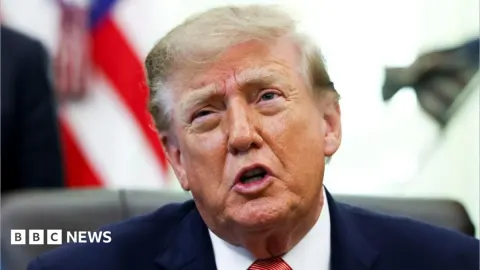
In a dramatic turn of events that has caught global observers by surprise, the United States and Iran have reached a preliminary framework for peace, allowing both leaderships to claim a significant strategic victory. President Donald Trump announced that Iran has committed to suspending its uranium enrichment program, a move he is framing as the ultimate validation of his diplomatic approach. While the specifics regarding the duration of this suspension remain opaque, the White House is signaling that this agreement effectively winds down a conflict that many feared would escalate into a full-scale regional war. For the Trump administration, the reopening of the Strait of Hormuz is being presented as a win for global energy security and American leadership.
On the other side of the ledger, Tehran is presenting the deal to its domestic audience as a triumph of resistance that has finally forced the lifting of a crippling maritime blockade. By securing a path toward economic relief and the restoration of shipping lanes, the Iranian government is attempting to stabilize a domestic economy that has been under immense pressure. This "victory for all" framing is a classic diplomatic maneuver, allowing both sides to step back from the brink without appearing to have capitulated. However, critics point out that the underlying nuclear issues are far from fully resolved, and the current agreement acts more as a temporary cooling mechanism than a permanent treaty.
Market Shockwaves: Toman Rallies as Energy Chokepoint Opens
The financial response to the peace framework was immediate and profound, particularly within the Iranian domestic market. The US Dollar, which had been trading at 170,800 Toman, experienced a sharp correction, falling to 161,800 Toman, representing a significant 5.3% gain for the local currency in just 24 hours. This rally reflects a surge in optimism among traders who believe that the reopening of the Strait of Hormuz will lead to a more consistent flow of foreign exchange and a reduction in the "war premium" that has historically inflated the dollar's value. The gold market mirrored this trend, with the Emami coin dropping from 175,000,000 to 167,000,000 Toman, a 4.6% decrease that suggests investors are moving away from safe-haven assets and back into more productive economic activities.
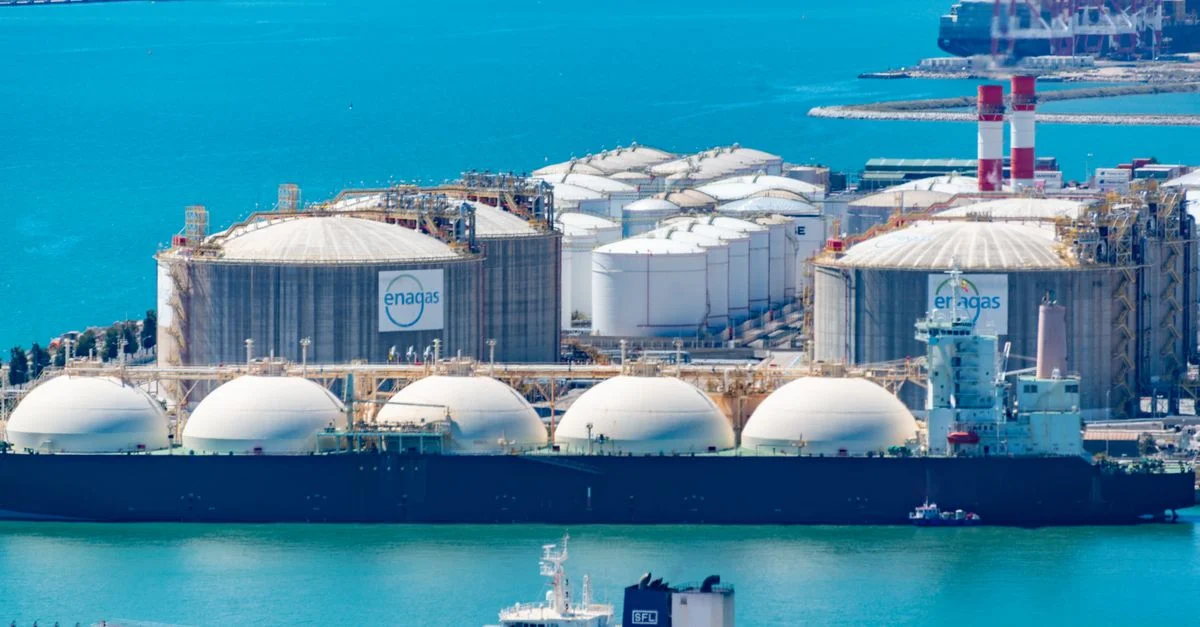
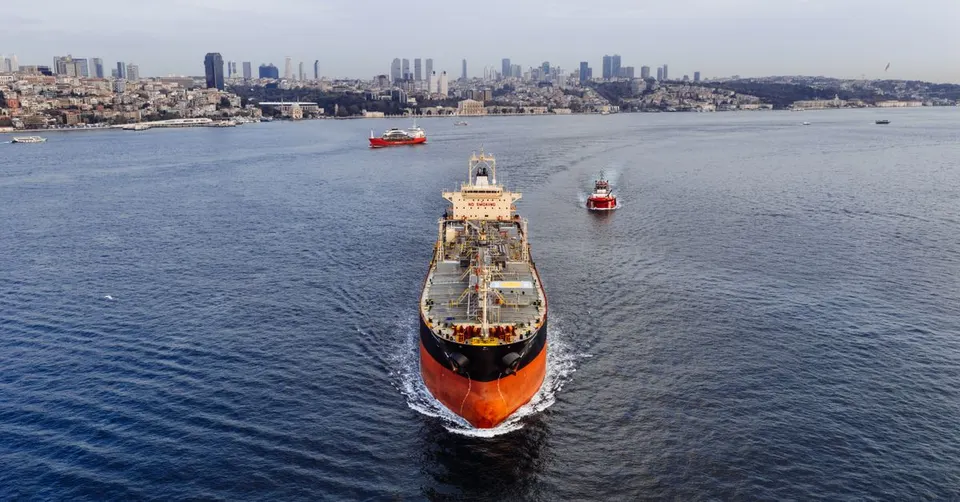
On the global stage, the "peace dividend" has manifested in a sharp retreat for energy prices. Brent crude oil prices have fallen to approximately $80 a barrel as the first LNG tankers were spotted clearing the Strait of Hormuz on Monday morning. This resumption of traffic through the world's most vital energy chokepoint has eased fears of a global supply crunch, leading to a drop in U.S. gas prices to below $4 a gallon. While the markets are currently celebrating this de-escalation, some analysts warn that the volatility is far from over. The Federal Reserve's upcoming decisions on interest rates could still test the resilience of this market rally, especially as high rates continue to challenge the long-term growth story of both traditional energy and emerging tech sectors.
[IMAGE: Financial trading screen showing a downward red line for oil prices and an upward green line for the Iranian Toman exchange rate]
Regional Fallout: The Lebanon-Israel Equation and Global Skepticism
Despite the optimistic headlines coming out of Washington and Tehran, the regional implications of the deal remain fraught with uncertainty. In Beirut and Tel Aviv, the reaction has been a mix of skepticism and strategic calculation. It remains unclear whether this U.S.-Iran framework will lead to a cessation of hostilities in Lebanon, where Israeli forces have been conducting an ongoing offensive. Some Israeli officials have expressed a desire to continue their military operations regardless of the broader diplomatic thaw, arguing that the threat from regional proxies must be addressed independently of the nuclear issue. This disconnect suggests that while the "big war" between major powers may be averted, the "small wars" on the periphery could continue unabated.
For the average citizen in the region, the deal represents a glimmer of hope that is tempered by years of broken promises. In Lebanon, there is deep doubt about whether a maritime agreement in the Persian Gulf will translate into stability on their southern border. Meanwhile, the global community is watching to see if this deal can evolve into something more durable. The successful passage of the first energy tankers through Hormuz is a positive physical signal, but the diplomatic architecture required to sustain this peace is still under construction. As the week progresses, the focus will shift to the formal signing of the agreement on Friday, which will serve as the true litmus test for whether this is a genuine turning point or merely a tactical pause in a decades-long rivalry.