Hormuz Breakthrough Triggers Global Market Surge as Toman Rallies 5.7% Amid Regional Caution
بازگشایی هرمز و جهش بازارهای جهانی؛ ریزش ۵.۷ درصدی دلار در تهران همزمان با بیم و امید در منطقه
A preliminary US-Iran deal to reopen the Strait of Hormuz has sent global stocks to record highs while triggering a sharp rally in the Iranian Toman. Despite the market euphoria, residents in Lebanon and Gulf allies remain cautious about the long-term stability of the truce.
At time of publishing
USD
161,000
Toman
Gold 18K
16.98M
Toman / gram
Bitcoin
$66,617
US Dollar
Tether
162,201
Toman
The Hormuz Breakthrough and Regional Skepticism
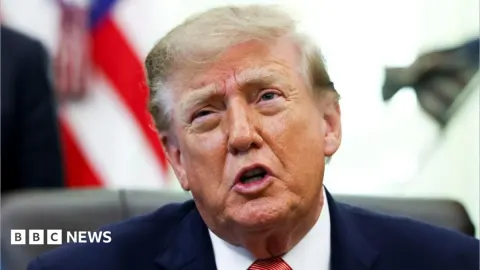
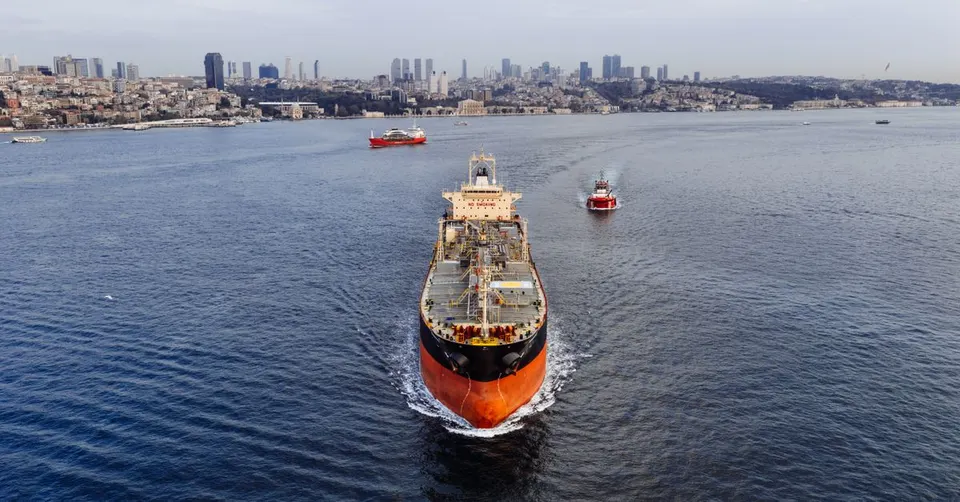
In a move that has sent shockwaves through global energy and financial sectors, the United States and Iran have reached a preliminary agreement expected to reopen the Strait of Hormuz. This vital maritime artery, which carries a significant portion of the world's oil, had been the focal point of recent escalations. While the deal is hailed as a major de-escalation, it is important to note that it is a strategic pause rather than a final peace. Major points of contention, specifically the future of Iran’s nuclear program and long-term sanctions relief, have been deferred to future negotiations. For now, the focus is on immediate relief and the restoration of global shipping lanes.
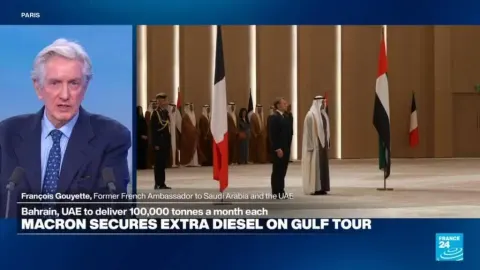
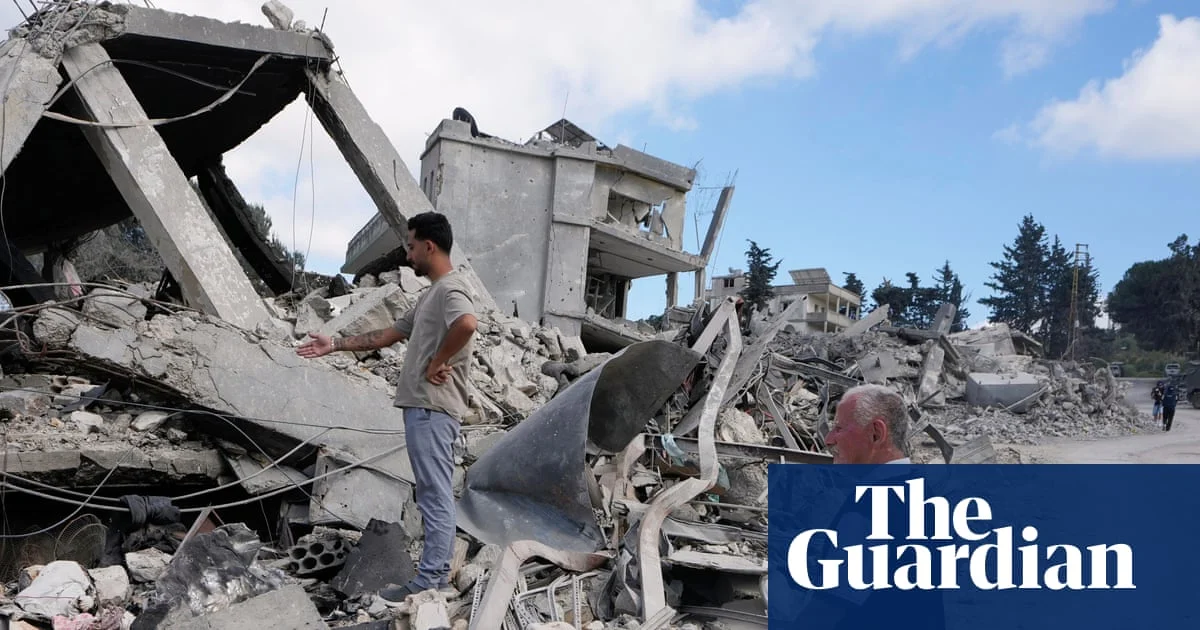
However, the atmosphere on the ground in the broader region remains thick with caution. In southern Lebanon, residents who rushed back to their homes following the announcement were met with the grim realities of war. Reports indicate that the withdrawal of forces has left behind a landscape littered with explosives and abandoned military hardware. Municipal officials in towns like Harees have warned that the truce is fragile, with many citizens waiting for a "100% certainty" before they can truly believe the conflict is over. This skepticism is mirrored in the halls of power in Gulf nations like Bahrain and the UAE. Having faced direct and indirect threats during the height of the friction, these American allies are now confronting deep questions about the reliability of U.S. protection in a rapidly shifting geopolitical landscape.
Market Euphoria and the Toman’s Sharp Correction
The immediate economic impact of the truce has been nothing short of explosive. On Wall Street, the Dow Jones Industrial Average jumped 650 points as investors reacted to the sudden removal of a major geopolitical risk premium. European markets followed suit, with the STOXX 600 index rocketing to an all-time high. The logic among traders is simple: a reopened Hormuz means lower energy costs and a more predictable global supply chain. This sentiment has even trickled down to the gas pump, where analysts are already projecting a significant drop in prices that had recently crossed the psychologically sensitive $4-per-gallon mark in the United States.
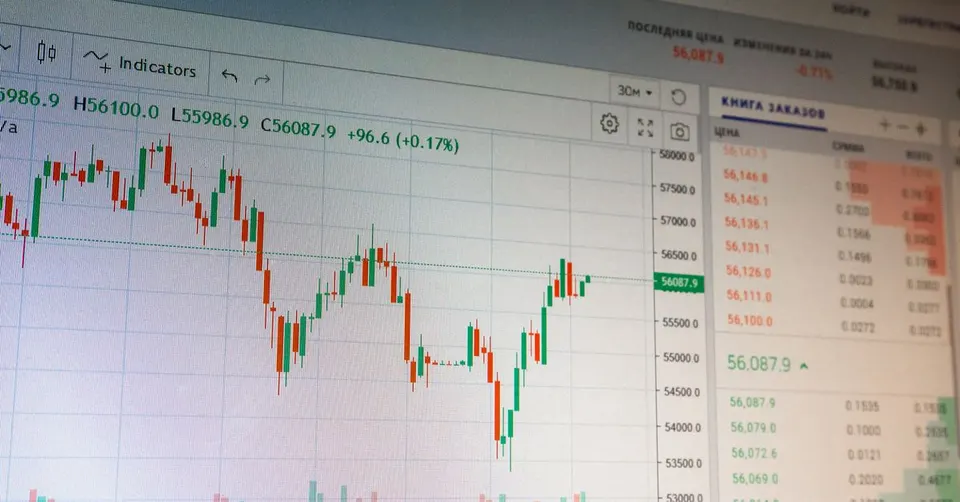
In Tehran, the reaction was even more dramatic as the Iranian Toman staged its strongest single-day performance in months. The USD sell rate moved from 170,800 to 161,000 Toman, marking a sharp 5.7% appreciation for the local currency. This rally was echoed across the precious metals market; Gold 18k per gram fell from 17,389,999 to 16,982,085 Toman (-2.3%), and the benchmark Emami coin dropped from 175,000,000 to 167,000,000 Toman (-4.6%). This "peace dividend" has provided a momentary breather for the Iranian middle class, though economists warn that without a formal resolution to the nuclear issue, this currency strength may be temporary and driven largely by speculative relief rather than structural reform.
Nvidia’s $20 Billion Bet and the AI Regulatory War
While geopolitics dominated the headlines, the technology sector saw its own seismic shift as Nvidia launched a historic $20 billion bond deal. Even as the company sits atop the AI hardware throne, it is taking advantage of the current market appetite to refinance its existing debt and pad its war chest. This massive borrowing spree signals that Nvidia expects the AI infrastructure boom to continue unabated, despite growing concerns about market saturation. By locking in capital now, the company is positioning itself to weather any potential economic cooling while continuing to outpace competitors in research and development.
However, the path forward for AI is not without its hurdles. The U.S. government’s decision to maintain and even tighten export controls on powerful models, such as Anthropic’s "Fable" and "Mythos," has drawn sharp criticism from cybersecurity veterans. These experts argue that by banning the export of high-tier AI models, the White House is inadvertently handicapping global cybersecurity defenders who need these tools to secure software against sophisticated threats. This tension highlights a growing divide between national security hawks, who want to keep advanced AI within U.S. borders, and the technical community, which views open collaboration as the only way to ensure a secure digital future.
Frequently Asked Questions
What exactly was agreed upon regarding the Strait of Hormuz?
Why did the Iranian Toman rally so sharply despite the deal being 'preliminary'?
Why is Nvidia borrowing $20 billion if they are already highly profitable?
Geopolitical Chokepoints and Global Oil Market Volatility
The news of a "Hormuz Breakthrough" and its immediate impact on global markets and the Iranian Toman highlights a crucial economic concept: the profound influence of geopolitical chokepoints on global oil markets and, by extension, national economies and currencies. A geopolitical chokepoint is a narrow maritime passage, like the Strait of Hormuz, that is strategically vital for international trade and energy transportation. Approximately one-fifth of the world's total oil consumption and a significant portion of its liquefied natural gas (LNG) transit through this single waterway, making it incredibly sensitive to regional stability.
Any perceived threat or, conversely, a positive development concerning a major chokepoint can send immediate shockwaves through the global energy market. Disruptions or even the threat of disruption can lead to sharp spikes in oil prices due to supply uncertainty. Conversely, a "breakthrough" – such as a preliminary deal between the US and Iran – signals a potential easing of tensions, increased oil flow, and reduced risk premiums, often leading to a drop in global oil prices. This direct correlation underscores how deeply intertwined geopolitical stability and energy prices are.
The ripple effects extend far beyond just the price of crude. For nations heavily reliant on oil exports or those whose economies are significantly impacted by sanctions and trade routes, such geopolitical shifts have a direct bearing on their national currency. The Toman's 5.7% rally, as mentioned in the headline, is a clear example. A US-Iran deal could imply potential sanctions relief, allowing Iran to increase oil exports and access international markets more freely. This influx of foreign currency, coupled with increased investor confidence due to reduced geopolitical risk, strengthens the national currency, improving purchasing power and potentially easing inflationary pressures.
Understanding these dynamics is key to deciphering global economic headlines. Events in seemingly distant regions can have immediate, tangible effects on commodity prices, stock markets, and currency valuations worldwide, illustrating the interconnected nature of our globalized economy and the critical role of strategic maritime passages.