
US-Iran Deal Reaches Critical Juncture; AMD Nears $900B Valuation
توافق آمریکا و ایران به نقطه حساس رسید؛ AMD به ارزش ۹۰۰ میلیارد دلاری نزدیک شد
A fragile US-Iran peace framework is poised for a potential signing, which could allow nuclear talks to resume but leaves regional instability unresolved. Meanwhile, AMD's stock surges, bringing it closer to a $900 billion valuation on the back of memory technology advancements.
At time of publishing
USD
158,600
Toman
Gold 18K
16.67M
Toman / gram
Bitcoin
$66,799
US Dollar
Tether
160,052
Toman
US-Iran Peace Deal on Brink, Nuclear Talks Could Restart
The delicate US-Iran peace framework is reportedly nearing a potential signing ceremony this Friday. If successful, this agreement could pave the way for the long-stalled nuclear talks to resume, potentially at the very point they were before the recent conflict erupted. However, significant hurdles and "inherent ambiguities" within the deal could still derail the process. The human cost of the recent conflict, including the tragic loss of 120 children in Minab and countless other lives across Iran, Lebanon, and the region, remains a stark reminder of the war's devastating impact.
Despite the potential for renewed diplomatic engagement, analysts express skepticism that this fragile agreement will resolve the deep-seated issues plaguing the Middle East. The region's fundamental problems of war and instability are far from solved, with concerns that conflict could return despite the deal. Iran's foreign ministry has also echoed this sentiment, stating that "deep mistrust" of the United States persists due to a long history of "wrongdoing." This lingering distrust, coupled with the unresolved regional tensions, suggests that even if a deal is signed, lasting peace and stability will remain elusive. The immediate impact on Iranian readers could be a renewed sense of cautious optimism regarding sanctions relief and potential economic recovery, though the underlying regional instability will continue to cast a shadow.

---
AMD's Market Surge Towards $900 Billion Valuation
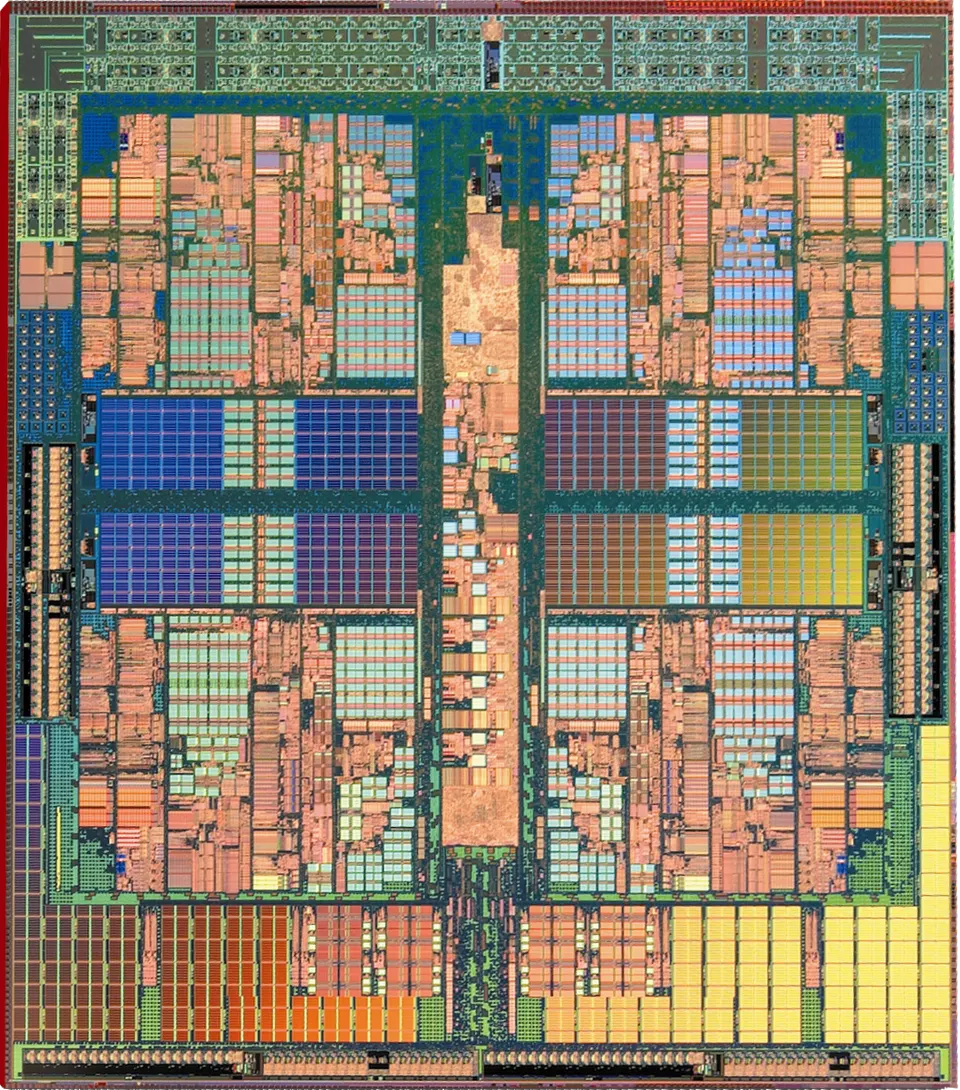
Advanced Micro Devices (AMD) is experiencing a significant surge in its stock value, flirting with a staggering $900 billion market capitalization. This impressive climb is largely attributed to the company's recent advancements in memory technology, which have bolstered investor confidence and driven up demand for its shares. The company's market valuation has now surpassed that of major financial institutions like JPMorgan Chase, underscoring its growing influence in the semiconductor industry.
This valuation milestone is a testament to AMD's strategic focus on innovation and its ability to compete effectively in the increasingly vital AI and high-performance computing sectors. The company's beefed-up memory technology is crucial for powering the next generation of AI models and data-intensive applications. For investors and those following the tech sector, AMD's ascent highlights the immense growth potential within the semiconductor industry, particularly for companies at the forefront of AI development. The broader implications for the market include increased competition and potential shifts in technological dominance as AMD continues to challenge established players.
---
Regional Instability Persists Despite US-Iran Deal Hopes
While the prospect of a US-Iran peace framework signing brings a glimmer of hope for de-escalation, the underlying issues fueling regional instability remain largely unaddressed. Analysts and observers in the Middle East, such as Iyad Joumma, a Jordanian engineer in Kuwait, express relief tempered with significant doubt about the deal's long-term efficacy. The region has endured a brutal 15-week conflict, and the fragile agreement, if finalized, is seen by many as insufficient to prevent a future resurgence of war and instability.
The potential resumption of oil flow is a significant economic factor, but it does not erase the deep-seated geopolitical fault lines. The lingering "deep mistrust" between Iran and the US, as articulated by Iran's foreign ministry, further complicates the path to genuine reconciliation. This sentiment, rooted in a history of complex relations, suggests that diplomatic progress will be slow and fraught with challenges. For Iranian citizens, while the prospect of renewed nuclear talks might offer some hope for sanctions relief, the persistent regional tensions mean that economic recovery and improved international standing are far from guaranteed. The immediate impact on currency expectations and trade remains uncertain, overshadowed by the unresolved regional dynamics.

Frequently Asked Questions
What is the current status of the US-Iran peace framework?
What is driving AMD's stock surge?
What are the lingering concerns about the US-Iran deal?
How might the US-Iran deal impact Iran economically?
What is the significance of AMD surpassing JPMorgan Chase in valuation?
Understanding Geopolitics: The Interplay of Power, Place, and Prosperity
Geopolitics is a crucial field of study that examines how geography, economics, and demography influence political power, international relations, and global events. It's not just about maps and borders; it delves into the strategic importance of locations, access to vital resources, trade routes, and the distribution of populations. Essentially, geopolitics helps us understand why nations behave the way they do on the world stage, often driven by their physical environment and economic needs, and how these actions ripple across continents.
At its core, geopolitics considers several key factors: the physical landscape (mountains, oceans, rivers), natural resources (oil, minerals, water), population size and distribution, economic strength, and military capabilities. These elements combine to shape a nation's vulnerabilities and opportunities, influencing its foreign policy and its interactions with other countries. For instance, control over strategic waterways or access to critical raw materials can confer immense power and leverage in international negotiations.
The impact of geopolitics extends profoundly into the global economy. Geopolitical stability or instability in key regions can directly affect everything from energy prices and commodity markets to global supply chains and investor confidence. Political tensions can disrupt trade, lead to sanctions, or even spark conflicts that halt production and shipping, causing ripple effects that are felt worldwide. Conversely, periods of geopolitical cooperation can foster economic growth and stability.
Consider the ongoing discussions around the US-Iran deal, as mentioned in the headline. These nuclear talks are a prime example of geopolitics in action. Iran's strategic location in the Middle East, its oil reserves, and its nuclear ambitions make it a significant geopolitical player. The outcome of such negotiations has far-reaching implications, not only for regional stability but also for global energy markets, international security, and the broader economic environment in which multinational corporations, including semiconductor giants like AMD, operate. Understanding geopolitics provides the lens through which to comprehend the complex interplay of these seemingly disparate global headlines.
Topics
Related Articles