Australian Political Tensions and Stubborn UK Inflation Shadow the Slow Path to US-Iran Economic Recovery
تنشهای سیاسی در استرالیا و ایستادگی تورم بریتانیا در سایه مسیر دشوار بازسازی اقتصادی ایران و آمریکا
Political drama in Australia and unexpected inflation data from the UK are complicating the global economic outlook. Meanwhile, the initial US-Iran deal faces a 'long road' to actual recovery, keeping the Tehran currency market in a state of cautious fluctuation.
At time of publishing
USD
153,700
Toman
Gold 18K
16.09M
Toman / gram
Bitcoin
$65,605
US Dollar
Tether
154,189
Toman
Media Hostility and Far-Right Surges in Australia
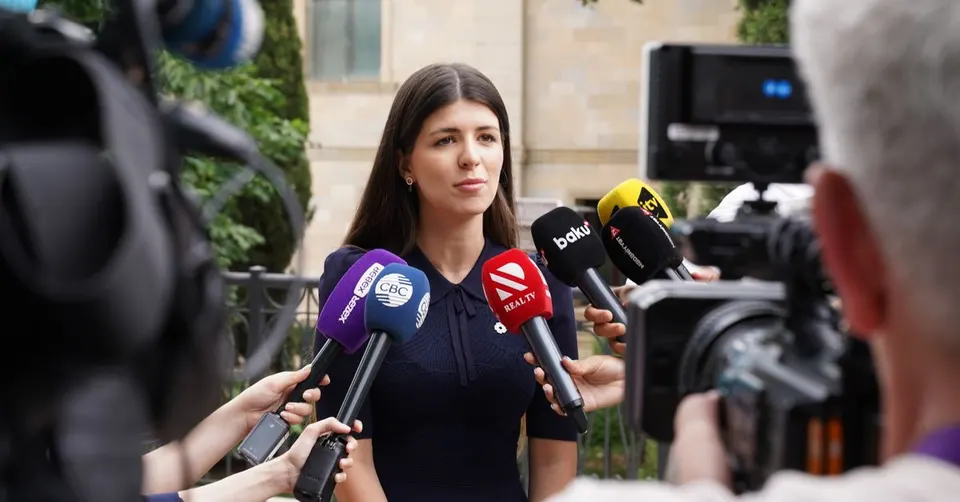
At the National Press Club in Australia, Pauline Hanson, the leader of the One Nation party, has once again sparked a firestorm by threatening to ban The Guardian from her events. This confrontation occurred after she was questioned regarding her daughter’s involvement in party matters, marking a tense debut for Hanson at the prestigious venue. The incident is not merely a local political spat; it reflects a growing global trend of populist leaders adopting a combative stance toward traditional media outlets. By attempting to control the narrative through exclusion, such movements are shifting the democratic landscape, forcing a re-evaluation of how journalists interact with increasingly polarized political figures.
This trend of digital radicalism and media exclusion is a symptom of a broader era of far-right organizing. As reported by Kim Leadbeater, sister of the late MP Jo Cox, political hatred in some regions is reaching levels worse than those seen during the Brexit era. For global markets, this political instability in stable democracies like Australia can signal a shift in policy predictability. When leaders prioritize ideological battles over transparent communication, it often leads to social division that can eventually manifest in legislative gridlock or unpredictable trade stances, affecting international investor confidence in the long term.
UK Inflation Defies Forecasts Amid Energy Volatility
In a surprising turn for the British economy, the Office for National Statistics reported that annual inflation unexpectedly remained steady at 2.8% in May. Economists had widely predicted a rise to at least 3%, fearing that the ongoing Middle East conflict would drive energy and transport costs significantly higher. While transport and fuel prices did indeed see an uptick, they were fortunately offset by a cooling in food price inflation. This 'flatlining' of the inflation rate provides a temporary sigh of relief for the Bank of England, though it complicates the timeline for any potential interest rate cuts as the central bank remains wary of underlying price pressures.
For the average consumer and the global markets, this data suggests that the 'Great British summer' might not be as economically easy as hoped. While the government has introduced temporary VAT cuts on children’s meals to ease the burden on families, businesses are already being accused of exploiting these tax breaks with high-priced 'gourmet' menus for kids. The persistence of inflation at nearly 3% means that borrowing costs are likely to stay elevated for longer, keeping the British pound under scrutiny and maintaining a high barrier for a full recovery in the hospitality and retail sectors.
The Arduous Path of the US-Iran Economic Reintegration
Despite the diplomatic breakthrough of an initial deal between Washington and Tehran, experts are warning that the global economy's 're-coupling' with Iran will be a slow and arduous process. The New York Times highlights that bringing months of reduced-speed trade and financial isolation back to full capacity is not a simple switch. There are significant logistical hurdles, including the restoration of banking channels and the verification of sanctions relief compliance. In the Tehran market, this reality is reflected in a cautious currency movement: the USD rose from 153,200 to 153,700 Toman, a modest +0.3% increase that suggests traders are waiting for tangible economic flow rather than just headlines.
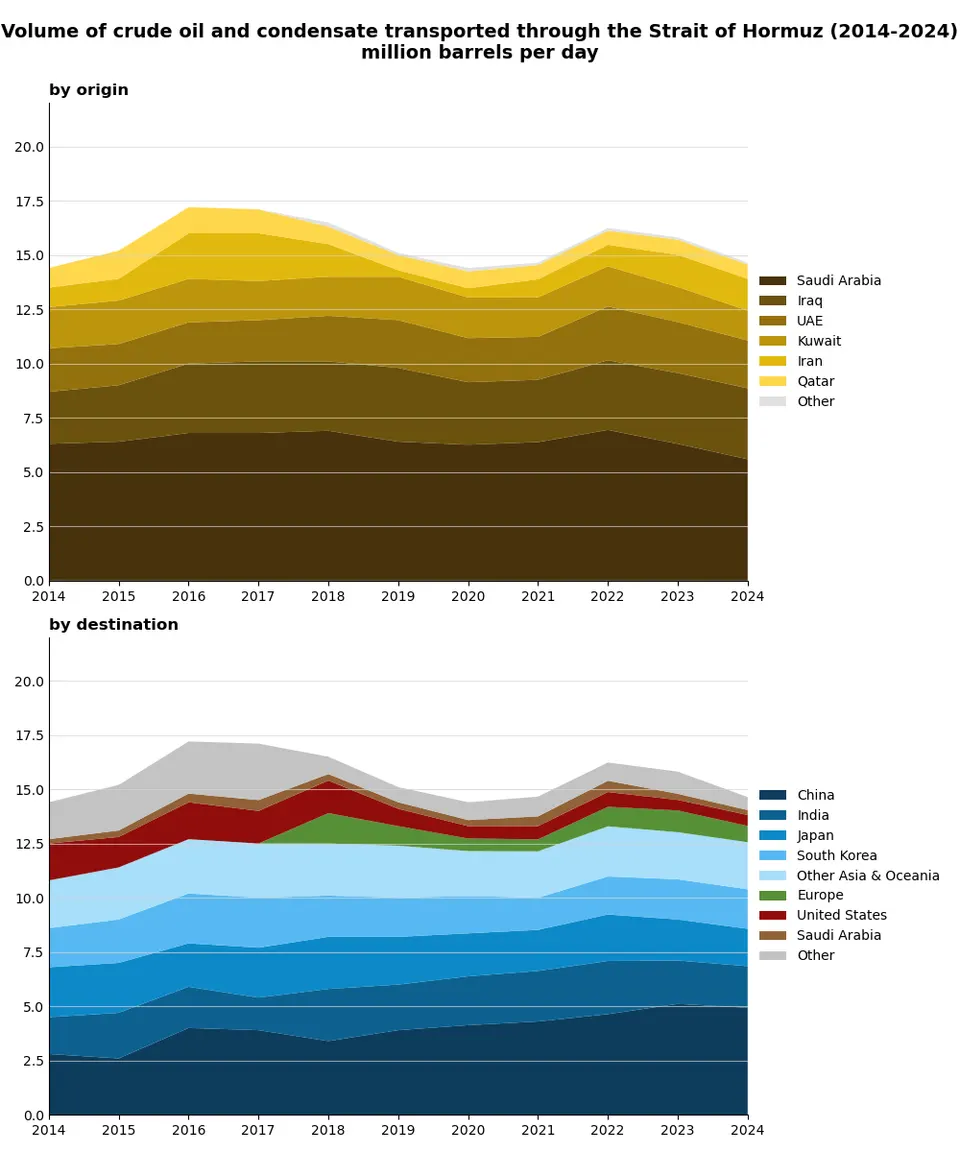
Furthermore, the situation in the Strait of Hormuz remains a point of contention. While oil may begin to move more freely under the interim agreement, other vital commodities like fertilizers and non-energy goods remain caught in a logistical limbo. The threat of regional escalation still looms, as evidenced by recent Israeli strikes in southern Lebanon following Iranian warnings of a 'harsh response.' For the Iranian reader, this means that while the 'Road to Recovery' has been paved, the vehicle of the national economy is still navigating a minefield of geopolitical risks and technical delays, keeping gold and currency prices in a state of high sensitivity.
Frequently Asked Questions
Why did the UK inflation rate stay at 2.8% instead of rising?
How is the Tehran currency market reacting to the US-Iran deal news?
What are the main obstacles to Iran's economic recovery after the deal?
How Geopolitical Oil Shocks Fuel Inflation
When a major oil‑producing region such as the Strait of Hormuz is threatened by conflict or sanctions, the world’s supply of crude can be perceived as fragile. Traders react by bidding up futures contracts, and the spot price of oil spikes. This phenomenon is known as an oil price shock – a sudden, large, and often temporary increase in oil prices that can ripple through the global economy.
Oil is a key input for transportation, manufacturing, and electricity generation. Higher oil prices raise the cost of producing and moving goods, which businesses often pass on to consumers in the form of higher prices. Because energy costs constitute a sizable share of many consumer price indexes, an oil shock can quickly translate into broader inflationary pressure. In 2026, heightened tensions between the United States and Iran have kept the Strait of Hormuz a flashpoint, contributing to the persistent UK inflation that forced the Bank of England to keep interest rates elevated.
The transmission mechanism works through several channels. First, cost‑push inflation arises as firms face higher input costs. Second, expectations matter: if households and investors anticipate that oil‑driven price rises will continue, they may demand higher wages and adjust spending, reinforcing inflation. Central banks, like the Bank of England, respond by tightening monetary policy—raising rates to curb demand—but this can also slow growth, creating a classic stagflation dilemma.
Understanding oil‑price‑driven inflation helps explain why a seemingly regional dispute can have global macroeconomic consequences. It also clarifies why policymakers monitor geopolitical risk indicators and why a US‑Iran economic recovery, even if modest, could ease oil market anxieties and give inflation a breather.
For anyone watching the June 2026 global economy, the key takeaway is that oil price shocks are not just about energy bills; they are a conduit through which geopolitical events shape monetary policy, exchange rates, and everyday purchasing power worldwide.