Iran's Lebanon Threat, G7 AI Focus, and BMW's China Woes Dominate Global Brief
تهدید ایران در لبنان، تمرکز G7 بر هوش مصنوعی و مشکلات بامو در چین؛ خبرهای داغ جهان
Tensions simmer as Iran issues a stark warning to Israel over its actions in Lebanon, potentially jeopardizing a recent US-Iran agreement. Meanwhile, G7 leaders convene to discuss the future of Artificial Intelligence amidst ongoing global economic shifts. BMW issues a profit warning, citing significant downturns in the Chinese market and broader Middle East conflict impacts.
At time of publishing
USD
153,700
Toman
Gold 18K
16.38M
Toman / gram
Bitcoin
$65,288
US Dollar
Tether
156,768
Toman
Iran Issues Stern Warning Amidst Escalating Middle East Tensions
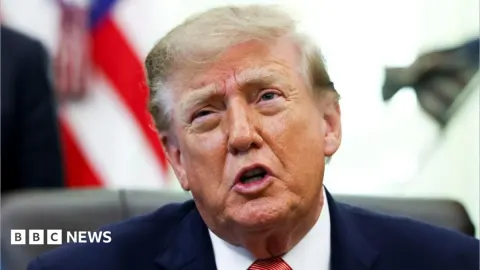
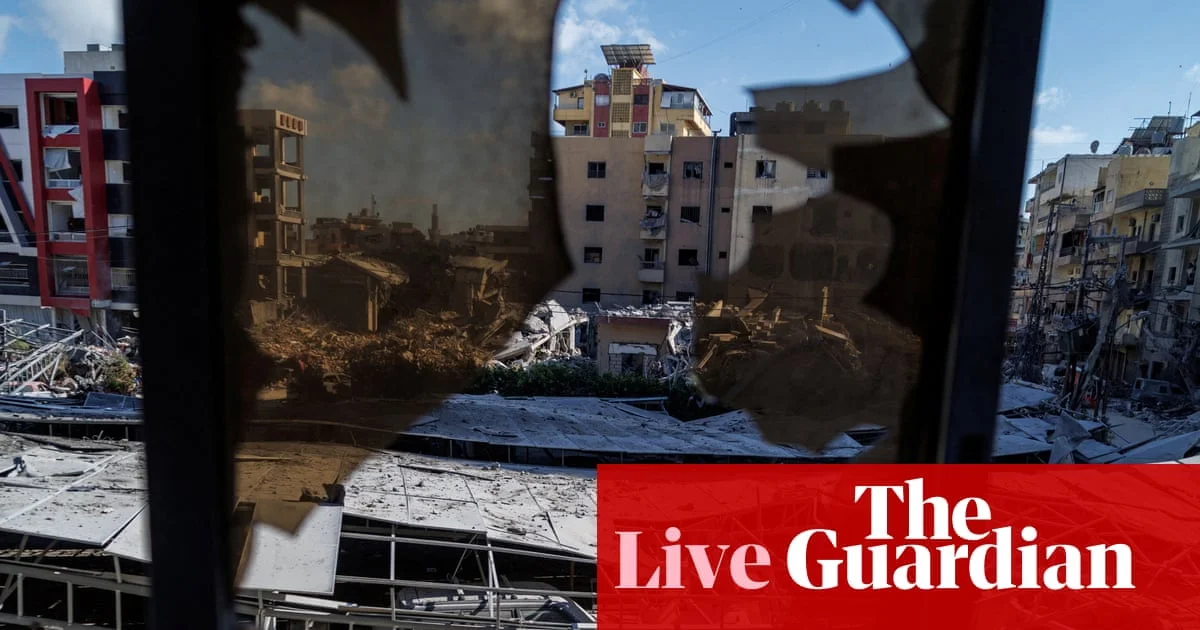
Iran has delivered a strong ultimatum to Israel, threatening a "harsh response" if military operations in southern Lebanon continue. This development directly jeopardizes the recently brokered US-Iran agreement aimed at de-escalating regional hostilities. According to reports from The Guardian, Iran's foreign minister indicated that the peace deal hinges on Israel's withdrawal from Lebanon, underscoring the fragile nature of the current détente. The implications for regional stability are profound, with any further escalation likely to disrupt vital shipping lanes and potentially trigger broader conflict.

This heightened rhetoric from Tehran arrives as G7 leaders gather, where discussions on global economic growth and Artificial Intelligence are underway. Canadian Prime Minister Mark Carney has characterized the US-Iran memorandum of understanding as a "gamechanger," suggesting it could allow for a renewed focus on other international crises, such as the ongoing conflict in Ukraine. However, Iran's warning serves as a stark reminder that the Middle East remains a critical flashpoint, with potential ripple effects on global energy markets and international relations, directly impacting currency expectations and trade confidence for Iran.
---
G7 Summit Turns Focus to AI Amidst Global Economic Headwinds
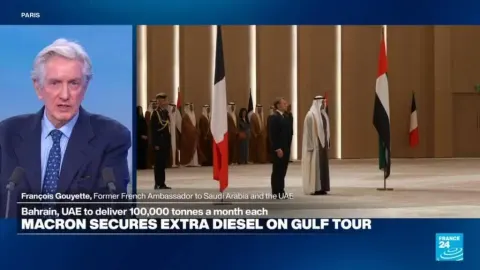
Leaders at the G7 summit in France are dedicating significant attention to the transformative potential and challenges of Artificial Intelligence. CEOs from leading AI firms, including OpenAI, Anthropic, and Mistral, are engaging with world leaders to discuss the future of the technology, its economic implications, and ethical considerations. This focus on AI occurs against a backdrop of persistent global economic uncertainty, exacerbated by the ongoing Middle East crisis and its impact on energy prices.

The G7's commitment to "unwavering support for Ukraine" with pledges for more air defense systems also remains a central theme, highlighting the interconnectedness of global security and economic agendas. While the summit aims to foster collaboration on AI and economic growth, the volatile geopolitical landscape, particularly the Iran-Israel tensions, casts a long shadow. The discussions on AI could pave the way for new international standards and investments, potentially reshaping industries and labor markets worldwide, while the ongoing conflicts underscore the need for robust global economic strategies.
---
BMW Issues Profit Warning, Blames China and Middle East Conflict
German luxury automaker BMW has issued a significant profit warning, citing a severe downturn in the Chinese market and the broader economic impact stemming from the Middle East conflict. The company's stock experienced a notable decline following the announcement, highlighting investor concerns about the automotive sector's vulnerability to geopolitical instability and major market slowdowns.

BMW's warning underscores the interconnectedness of the global economy, where disruptions in one major region can have cascading effects. The automaker's reliance on the Chinese market, traditionally a significant revenue driver, appears to be a key factor in its revised outlook. Combined with the upward pressure on fuel prices and supply chain uncertainties caused by the Middle East crisis, the company is facing a challenging operating environment. This situation may force strategic shifts within BMW and potentially signal broader trends for the automotive industry, impacting trade flows and investment decisions globally.
Frequently Asked Questions
What is Iran's specific threat regarding Lebanon?
What is the main focus of the G7 summit this week?
Why did BMW issue a profit warning?
How are the USD and gold performing in the Iranian market?
What is the broader implication of the Iran-Israel tensions for global markets?
Understanding Geopolitical Risk and Its Economic Ripples
Geopolitical risk refers to the potential for political events, conflicts, or instability between nations or regions to disrupt global markets and economic activity. It encompasses a wide array of factors, from armed conflicts and proxy wars, such as the tensions highlighted by "Iran's Lebanon Threat" and the broader "Middle East crisis," to trade disputes, sanctions, and shifts in international alliances. These events introduce uncertainty, making it difficult for businesses and investors to plan, and often leading to significant economic consequences both locally and globally.
The economic impact of geopolitical risk is multifaceted and can manifest in various ways. For nations directly involved or those in proximity to conflict zones, it often leads to currency devaluation. When investors perceive increased risk, they tend to pull capital out, weakening the local currency against major international currencies like the U.S. dollar, as seen in the fluctuations of the "USD Toman price" in Iran. This devaluation can fuel inflation, making imported goods more expensive and eroding purchasing power for ordinary citizens.
Furthermore, geopolitical instability significantly influences commodity markets. Gold, historically considered a "safe-haven asset," often sees its price surge during times of heightened geopolitical tension, as investors seek to protect their wealth from currency depreciation and market volatility. The "Gold price Iran" keyword suggests this very dynamic, where local gold prices reflect both global market trends and domestic economic anxieties exacerbated by regional instability. Such risks can also disrupt global supply chains, deter foreign direct investment, and increase the cost of doing business, ultimately slowing economic growth.
In an increasingly interconnected world, geopolitical risks rarely remain contained within a single region. A crisis in the Middle East, for instance, can affect global oil prices, shipping routes, and investor confidence worldwide, impacting economies far removed from the immediate conflict zone. Understanding these intricate connections is crucial for comprehending how seemingly distant political events can directly influence daily economic realities, from the cost of goods to the stability of national currencies.