Iran War Escalation Fears Rise as Tehran Warns Israeli Attacks Threaten US Deal
تهران: حملات اسرائیل به لبنان توافق آمریکا را تهدید میکند؛ بیم تشدید جنگ ایران افزایش یافت
Tensions flare as Iran issues a stark warning that escalating Israeli attacks on Lebanon could jeopardize a crucial US-brokered deal. Meanwhile, geopolitical shifts are evident as Trump declares US disinterest in the Ukraine conflict, and Ghana champions reparatory justice.
At time of publishing
USD
153,700
Toman
Gold 18K
16.11M
Toman / gram
Bitcoin
$65,491
US Dollar
Tether
155,573
Toman
Iran Warns of Escalation as Israeli Attacks on Lebanon Threaten US Deal
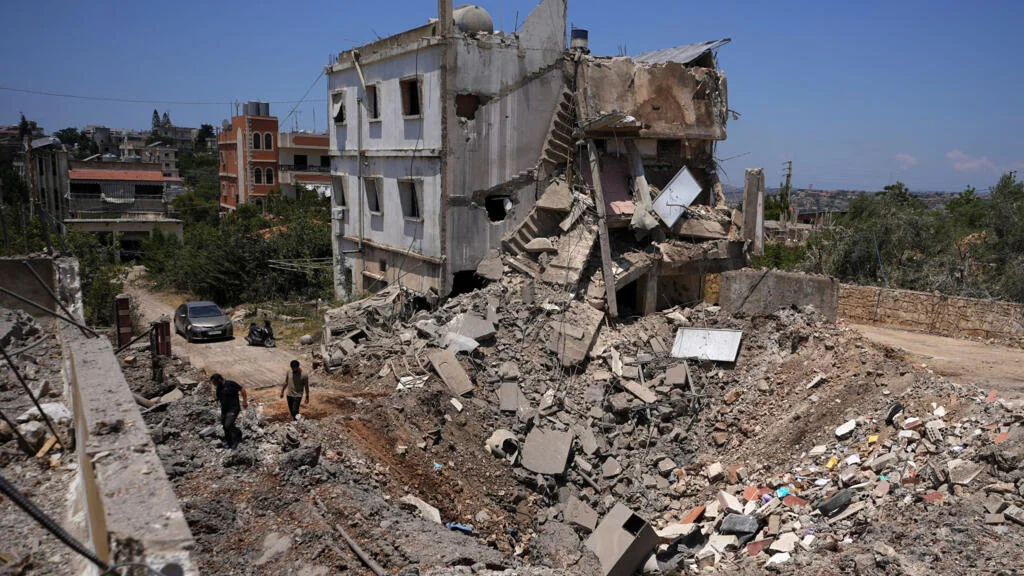
Iran issued a strong condemnation today, stating that recent Israeli airstrikes in southern Lebanon are actively jeopardizing a significant US-brokered deal. Tehran has signaled that such actions could provoke a "harsh response," escalating already precarious regional tensions. This development comes as both Iran and the United States are reportedly heading for peace talks in Switzerland later this week, making the timing of these Israeli incursions particularly sensitive.
The situation highlights the complex geopolitical maneuvering in the region. The attacks on Lebanon, if perceived as a direct challenge to the US-led diplomatic efforts, could derail fragile negotiations and further destabilize the Middle East. For Iranian citizens, this means increased uncertainty regarding regional security, potential impacts on trade routes, and a heightened risk of further economic sanctions. The currency markets, already sensitive to geopolitical shifts, will likely react to any perceived increase in conflict risk, potentially impacting the Toman's stability against major foreign currencies like the US dollar.

---
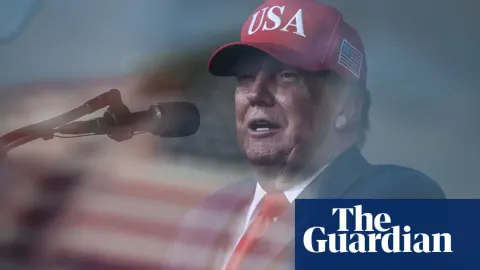
Trump Declares US 'Nothing to Do' With Ukraine War at G7 Summit
President Trump has unequivocally stated that the United States has "nothing to do" with the ongoing conflict in Ukraine, delivering a significant message to allies at the G7 summit. This declaration marks a notable departure from decades of established American foreign policy and security commitments, signaling a potential recalibration of US engagement in European security architecture. The remarks underscore a growing trend of American unilateralism, leaving European nations to reassess their own defense strategies and dependencies.
This shift in US foreign policy has profound implications for global stability and market sentiment. Allies who have relied on American security guarantees may now face increased pressure to bolster their own military capabilities and forge new alliances. For the global economy, this could translate into heightened geopolitical risk premiums, potentially affecting energy prices, international trade flows, and investment decisions. The markets will be closely watching for any concrete policy changes stemming from this declaration, as it could influence global risk appetite and the flow of capital.
---
Ghana Champions Reparatory Justice at Landmark Accra Gathering
Accra is hosting a pivotal three-day event focused on advancing reparatory justice for the descendants of enslaved Africans. This conference, attended by heads of state and representatives from over 80 nations, is the first major gathering since a landmark UN resolution declared the trafficking of enslaved Africans a crime against humanity. The event aims to move beyond symbolic gestures and pursue actionable commitments for reconciliation and restitution.
The push for reparatory justice represents a significant move by African nations to address historical injustices and their lingering economic and social consequences. While the direct market impact may not be immediate, such initiatives can foster greater intra-African cooperation, potentially influencing trade agreements and investment flows within the continent. For global markets, it signifies a growing assertiveness from developing nations in demanding accountability for historical exploitation, which could shape future international relations and economic policies. The focus on restitution and reconciliation could also indirectly influence discussions around global economic equity and the redistribution of resources.
---
Bitcoin Holds Steady Amidst Broader Market Cues
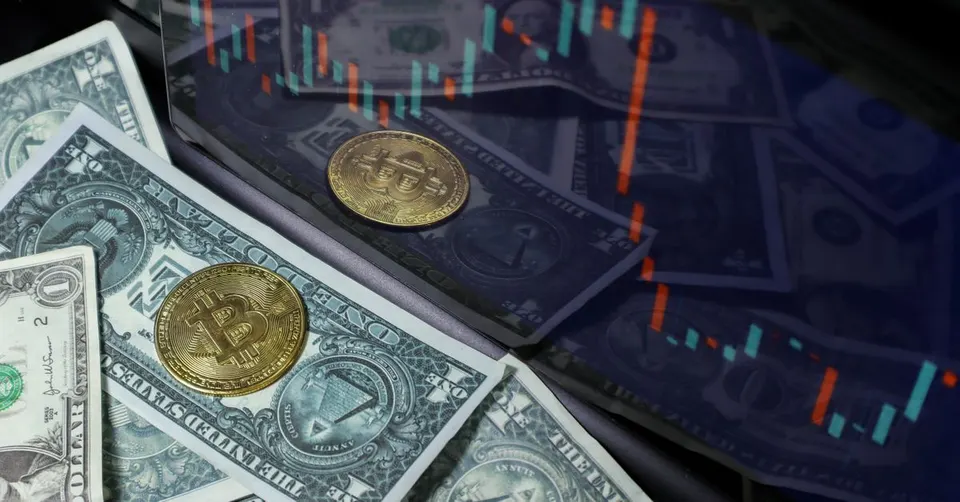
Bitcoin has maintained its position near key resistance levels, showing resilience despite fluctuating market sentiment. Technical indicators suggest a bullish MACD on hourly charts, hinting at potential upward momentum, though broader market factors remain a critical influence. This stability comes as other cryptocurrencies like Uniswap (UNI) have seen significant gains, driven by analyst price targets and broader altcoin rallies. However, XRP has given back some of its recent gains, indicating selective investor confidence within the digital asset space.
The performance of Bitcoin and other cryptocurrencies is closely watched by investors as an indicator of broader market risk appetite. While volatile, the digital asset market's movements can often foreshadow or reflect trends in traditional markets. For Iranian investors, the stability or volatility in cryptocurrencies like Bitcoin, especially against the backdrop of fluctuating Toman exchange rates, offers an alternative, albeit high-risk, avenue for wealth preservation or growth. The USDT's price in Toman, currently at 155,573, remains a key reference point for those seeking to navigate the crypto markets from Iran.
Watch
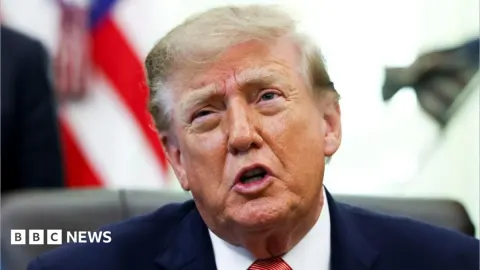
Trump says Iran will 'never have a nuclear weapon’, as he attends G7 summit | BBC News
BBC News
Frequently Asked Questions
What is the current situation regarding Iran and Israel?
What was Donald Trump's stance on the Ukraine war at the G7 summit?
What is Ghana's initiative regarding reparatory justice?
How is Bitcoin performing in the current market?
What is the current exchange rate for USDT in Iranian Toman?
Understanding Proxy Conflict
A "proxy conflict" is a fascinating and often devastating feature of international relations, where major powers avoid direct military confrontation by supporting opposing sides in a conflict. Instead of engaging each other directly, states arm, fund, train, or otherwise assist non-state actors or smaller states to fight on their behalf. This strategy allows the primary antagonists to advance their strategic interests, weaken rivals, and project influence without incurring the full costs and risks of an open war, such as direct military casualties, economic sanctions, or the potential for catastrophic escalation.
The headline's fears of "Iran War Escalation" and "Israeli Attacks Threaten US Deal" are deeply rooted in the dynamics of proxy conflicts. For decades, Iran and Israel have been engaged in a shadow war, largely fought through proxies across the Middle East. Groups like Hezbollah in Lebanon, often supported by Iran, act as a strategic deterrent against Israel and a means for Iran to extend its regional influence. Conversely, Israel often targets these proxy groups to diminish their capabilities and counter Iranian expansion. This indirect engagement means that any significant action by a proxy can quickly escalate tensions between the primary state actors, even if they aren't directly firing at each other.
The involvement of proxy forces introduces immense complexity to regional stability and international diplomacy. It makes peace negotiations incredibly challenging, as the actual belligerents at the negotiating table may not be the ultimate decision-makers, and the primary state sponsors might not be willing to compromise their broader strategic goals. Furthermore, these conflicts often lead to prolonged humanitarian crises, widespread displacement, and the destabilization of entire regions. The "US Deal" mentioned in the headline would naturally be jeopardized by such escalations, as the United States often seeks to manage or mediate these regional tensions, and any uptick in proxy violence can unravel diplomatic efforts.