US-Iran Deal Hopes Lift Oil Tankers, Sparking Muted Market Reaction
امید به توافق ایران و آمریکا تانکرها را به حرکت درآورد؛ واکنش بازار محدود
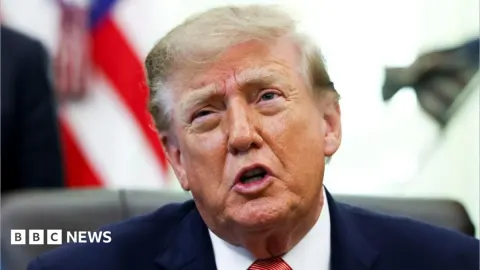
Hopes for a US-Iran peace deal are causing oil tankers to reroute and sparking cautious optimism, though markets remain largely subdued. President Trump's optimistic statements about putting the 'war in rearview mirror' are fueling this sentiment, with Iran indicating nuclear talks could resume soon.
At time of publishing
USD
153,700
Toman
Gold 18K
16.08M
Toman / gram
Bitcoin
$65,761
US Dollar
Tether
154,813
Toman
Market Open: Cautious Calm Amid Geopolitical Shifts
The Iranian Rial is showing a slight upward trend against the USD this morning, with the USD selling at 153,700 Toman, marking a 0.3% increase over the last 24 hours. This modest appreciation, while positive, reflects a market that is treading carefully, likely absorbing the implications of overnight developments. Gold prices remain steady, with 18k gold per gram holding at 16,076,919 Toman, showing no change in the past day. The Emami coin also mirrors this stability, staying at 158,000,000 Toman. Bitcoin, trading in USD terms, is holding at $65,761, a level that suggests a pause in recent volatility as traders digest broader geopolitical news.
This cautious market sentiment is understandable given the mixed signals emerging from global diplomacy. While President Trump's hopeful remarks about resolving the 'Iran War' and Iran's indication of resuming nuclear talks offer a potential de-escalation, the path forward remains uncertain. The market's reaction, or rather the lack thereof, suggests a wait-and-see approach. Investors are likely holding back significant moves until more concrete details emerge regarding sanctions relief and the actual impact on regional stability and global trade flows. The slight strengthening of the Rial could be an early indicator of anticipated positive economic shifts, but the broader market is clearly not yet convinced of a swift turnaround.

---
Hopes for Peace: Trump Eyes 'Rearview Mirror' for Iran Conflict
President Trump has expressed a strong desire to move past the recent escalations with Iran, stating his hope to put the conflict in the 'rearview mirror.' This optimistic outlook was accompanied by Iran's Foreign Minister announcing that new talks concerning nuclear arms and sanctions relief could commence as early as Friday, contingent upon the signing of an initial agreement. This development signals a potential diplomatic breakthrough, moving away from direct confrontation towards negotiation.
The implications for the region and global markets are significant, albeit currently subdued. The prospect of de-escalation and potential sanctions relief could ease geopolitical tensions that have been a persistent source of market volatility. For Iran, this could mean a gradual reopening of economic avenues, potentially impacting its currency, oil exports, and overall trade relationships. However, the emphasis on an 'initial agreement' and the mention of 'new talks' suggest that the process will be protracted and complex, with many hurdles still to overcome.
---
Oil Tankers Reverse Course on Hormuz Reopening Hopes
In a tangible sign of shifting sentiment, two oil tankers that were rerouted towards Africa have now altered their course back towards the Middle East, specifically signaling Fujairah in the UAE as their destination. This change, reported by Bloomberg, is directly linked to the developing news of a potential peace deal between the United States and Iran. Fujairah, a crucial bunkering hub located just outside the Strait of Hormuz, is seen as a key indicator of regional maritime activity.
This rerouting suggests that shipping companies are responding to the perceived reduction in risk associated with the Strait of Hormuz, a vital chokepoint for global oil supplies. If a US-Iran agreement leads to a normalization of maritime traffic and a decrease in regional tensions, it could significantly impact oil prices and supply chain stability. The market's focus will now shift to the details of any agreement and the speed at which normal shipping operations, including those for non-crude products, can resume through the Strait. This event underscores how sensitive global energy markets are to geopolitical developments in the region.
---
US-Iran Agreement's Murky Impact on Lebanon
While the prospect of a US-Iran agreement has brought a sense of cautious optimism to global energy markets, its implications for regional conflicts, such as the situation in Lebanon, remain unclear. Iran has claimed that the deal would extend to addressing the ongoing tensions in Lebanon, but critical details regarding this aspect have not been publicly disclosed. This lack of transparency is creating uncertainty, particularly for Israel, which has stated that its forces will remain in Lebanon regardless of any broader US-Iran accord.
This ambiguity highlights the complex web of regional alliances and conflicts that any US-Iran agreement must navigate. The potential for de-escalation between the US and Iran is a positive step, but it does not automatically resolve existing proxy conflicts or long-standing territorial disputes. For Lebanon, the lack of clear commitments or public details within the agreement means that the path to stability remains uncertain. Markets and observers will be closely watching for further clarifications and actions that could indicate the true reach and impact of this nascent diplomatic effort on broader regional security.
Frequently Asked Questions
What is the immediate impact of the US-Iran news on the Iranian Rial?
Why are oil tankers changing course?
What are the implications of the US-Iran deal for Lebanon?
Are global markets reacting strongly to the US-Iran news?
When might nuclear talks between Iran and the US resume?
The Geopolitical Significance of the Strait of Hormuz
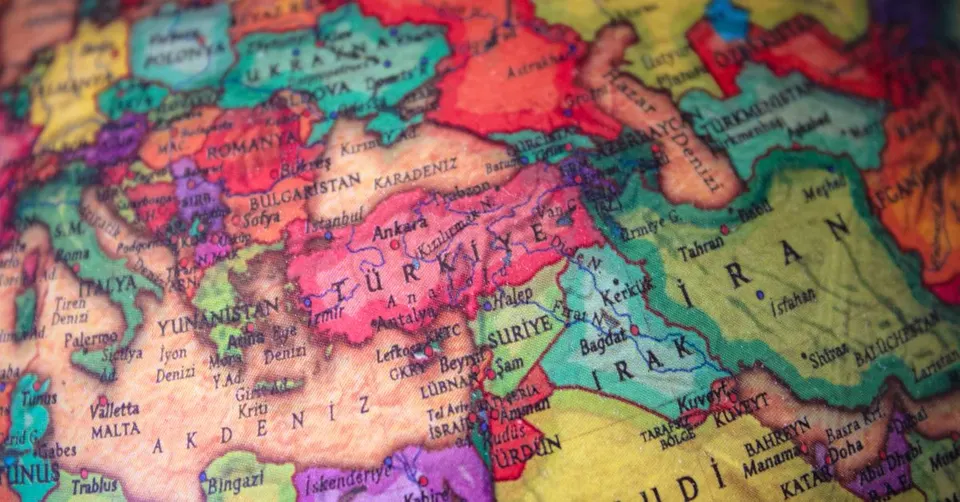
The Strait of Hormuz is one of the most critical maritime choke points in the world, a narrow waterway connecting the Persian Gulf to the Arabian Sea and beyond. For a curious reader, understanding its profound geopolitical significance is key to grasping how events in the Middle East, particularly involving the US and Iran, can ripple through global energy markets. Roughly one-fifth of the world's total oil consumption, and a substantial portion of its liquefied natural gas, passes through this strait daily, making it an indispensable artery for international trade and energy security.
Its strategic importance stems from its geography: at its narrowest point, the strait is only about 21 nautical miles (39 km) wide, with shipping lanes just two miles wide in each direction. This makes it highly vulnerable to disruption. Countries bordering the Strait, especially Iran, hold significant leverage over global oil supplies. Any perceived threat to free passage through the Strait – whether from military confrontations, geopolitical tensions, or even the threat of sanctions – can immediately trigger concerns about supply disruptions, leading to volatility in global oil prices and increased shipping insurance costs.
The "US-Iran Deal Hopes" mentioned in the headline directly relate to this dynamic. A reduction in tensions or the prospect of a diplomatic resolution can decrease the perceived risk of disruption in the Strait of Hormuz. This, in turn, can lead to a slight easing of oil prices or a "lifting" of sentiment around oil tankers, as the threat of blockades or attacks diminishes. However, as the headline suggests, market reactions can be "muted" due to the inherent fragility of such deals and the deep-seated geopolitical complexities that persist in the region, reminding us that the Strait remains a critical barometer of global stability.