Cyber Assault on UK Infrastructure Raises Alarms Over Global Security
حملات سایبری به زیرساختهای بریتانیا هشدارهای امنیتی جهانی را برانگیخت
The UK's critical infrastructure faced over 200 cyber incidents this year, with state-linked actors like Iran implicated. This impacts global security dynamics, especially in regions reliant on stable UK operations.
At time of publishing
USD
157,700
Toman
Gold 18K
16.64M
Toman / gram
Bitcoin
$65,245
US Dollar
Tether
158,089
Toman
Cyber Attacks Target UK Infrastructure
The UK's National Cyber Security Centre (NCSC) has reported that the country's critical infrastructure faced more than 200 cyber incidents over the past year. According to Richard Horne, the head of the NCSC, these attacks have been primarily orchestrated by state-linked adversaries, including Russia, China, and Iran. The targeted infrastructures included essential services such as nuclear deterrents, power plants, hospitals, and airports. The growing frequency and sophistication of these attacks underscore the increasing threat posed by hostile states, amplified by advancements in artificial intelligence.
These cyber threats are not just isolated incidents but part of a broader geopolitical strategy. The involvement of countries like Iran highlights the potential for these attacks to affect international relations, especially in regions where UK operations play a stabilizing role. The implication for countries like Iran is significant, as their alleged involvement could invite further sanctions or diplomatic isolation, impacting their economic and technological exchanges with other nations.

Israel's Media Turns Against Trump
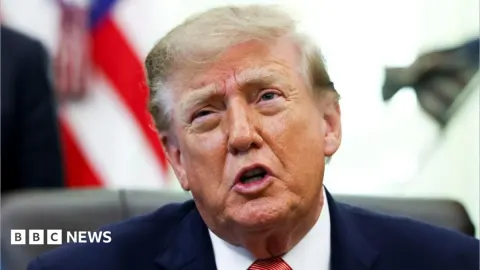
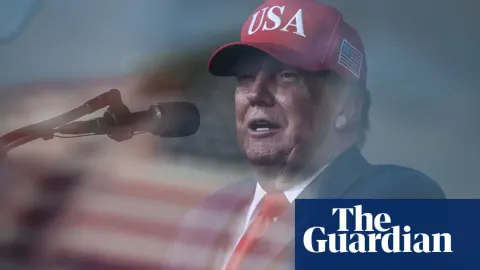
In an unexpected turn of events, prominent figures from Israel's Channel 14, known for its support of Prime Minister Benjamin Netanyahu, have begun criticizing U.S. President Donald Trump. The criticism centers around Trump's handling of the Iran deal, which has been a contentious issue both domestically in the U.S. and internationally. This shift in media sentiment reflects broader geopolitical tensions and could influence international negotiations related to Iran's nuclear program.
The backlash against Trump from a traditionally supportive media outlet suggests a potential shift in political alliances and public opinion. For Iran, this could mean changes in how diplomatic negotiations are approached, potentially affecting regional stability and economic relations. The criticism may also impact Trump's ability to negotiate future deals or maintain current international support, which could indirectly affect the Iranian economy through changes in global policy and sanctions.

US Senate Moves Forward Amidst Political Turmoil
In the United States, the Senate is proceeding with the nomination hearing for Jay Clayton as the new national intelligence chief. This decision comes despite President Trump's last-minute attempts to halt the process, which has added to the political uncertainty in Washington. The hearing's progression, led by Senator Tom Cotton, highlights a growing divide within the U.S. political landscape, with implications for international relations, including Iran.
For Iran and other countries watching closely, this political turbulence in the U.S. could impact future diplomatic engagements and economic agreements. The uncertainty surrounding U.S. leadership and its foreign policy direction adds an element of unpredictability to international markets and geopolitical alliances. Iran, in particular, may need to navigate these changes carefully to maintain its economic interests and regional influence.

Crypto Markets Under Pressure
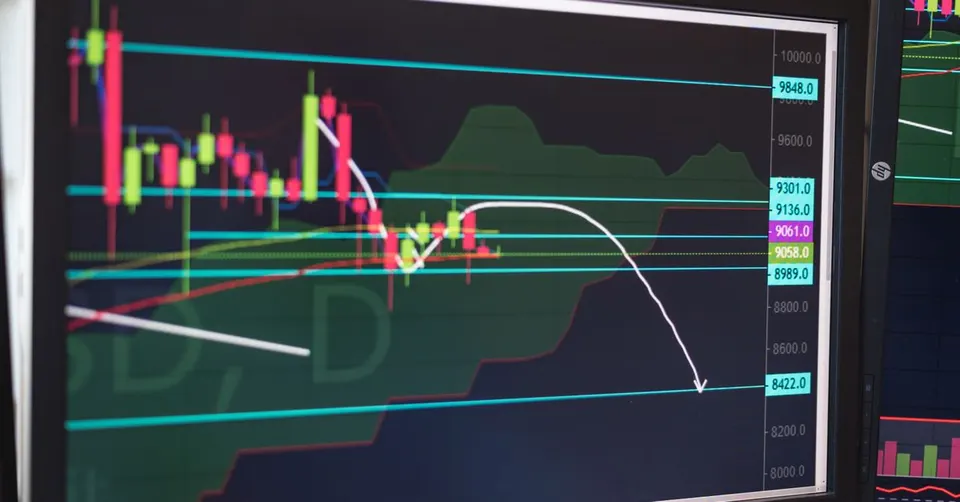
Bitcoin has been experiencing significant price fluctuations, recently hitting a week-to-date low of $64,500, as concerns over potential sell-offs by major holders loom. This volatility is occurring as the Federal Open Market Committee (FOMC) meeting approaches, heightening market anxiety. The unstable crypto market reflects broader investor sentiment, influenced by global economic conditions and regulatory developments.
For Iranian investors and traders, these fluctuations in Bitcoin and other cryptocurrencies can have implications for their portfolios and financial strategies. The country's economic challenges and currency volatility make crypto assets an attractive but risky option for wealth preservation. As global regulatory frameworks evolve, particularly in the U.S., Iranian stakeholders must remain vigilant to navigate these changes effectively.
Legislative Push for Press Freedom
In a significant move, the UK has introduced new legislation aimed at protecting journalists and whistleblowers from strategic lawsuits against public participation (SLAPPs). These private members' bills, receiving cross-party support, seek to prevent powerful entities from using legal threats to silence critical reporting and whistleblowing activities. This legislative effort underscores a commitment to maintaining a free press and protecting democratic values.
The potential passage of such laws could influence similar legislative actions in other countries, including Iran, where media freedom is a contentious issue. Strengthening protections for journalists globally could encourage more transparent reporting and accountability, impacting international perceptions and relations. For Iranian journalists facing similar challenges, these developments may offer a framework or inspiration for advocating for their rights and freedoms.

Frequently Asked Questions
Why is the UK's critical infrastructure under cyber attack?
What impact do these cyber attacks have on global security?
How does Israel's media criticism of Trump affect Iran?
What role does the US Senate play in international relations?
How do Bitcoin price fluctuations impact the Iranian market?
Understanding Cyber Warfare: The New Battlefield
The recent headline concerning a cyber assault on UK infrastructure, coupled with keywords like 'Iran cyber security,' immediately brings into focus the critical concept of Cyber Warfare. This isn't merely about individual hackers or criminal syndicates; it refers to the use of cyberattacks by nation-states to disrupt, damage, or gain strategic advantage over another nation's critical infrastructure, military systems, or political processes. Unlike traditional warfare, cyber warfare often operates in a grey zone, making attribution difficult and blurring the lines between peace and conflict.
Nation-states engage in cyber warfare for a variety of reasons, including espionage to steal sensitive information, sabotage to cripple an adversary's capabilities (such as power grids, financial systems, or communication networks), and destabilization to sow discord or influence elections. The targets are typically vital systems whose disruption can have widespread economic, social, or security consequences. For example, a successful attack on a country's energy grid could plunge cities into darkness, while a breach of financial networks could cause market chaos.
One of the most challenging aspects of cyber warfare is attribution. Attackers often route their operations through multiple countries, use sophisticated anonymization techniques, and can even employ 'false flag' operations to mislead investigators. This difficulty in definitively identifying the perpetrator complicates international responses and raises the risk of miscalculation or unintended escalation. A cyberattack, even a significant one, might not trigger a conventional military response, but it can erode trust, provoke countermeasures, and contribute to a broader climate of geopolitical tension.
The implications of cyber warfare for global security are profound. It presents a low-cost, high-impact tool for states to project power and exert influence without conventional military engagement. This new form of conflict necessitates the development of robust national cybersecurity defenses, international norms of behavior in cyberspace, and diplomatic frameworks to prevent escalation. As nations increasingly rely on digital infrastructure, understanding the dynamics of cyber warfare becomes paramount for citizens, policymakers, and international relations experts alike.