Finland Lifts Nuclear Device Ban; Trump's G7 Iran Rhetoric Fuels Market Jitters
فنلاند ممنوعیت دستگاه هستهای را لغو کرد؛ لفاظیهای ترامپ در مورد ایران در نشست G7 باعث نگرانی بازارها شد
Finland has lifted a ban on nuclear devices, a move aimed at bolstering NATO in an uncertain global climate. Meanwhile, President Trump's mixed signals on a preliminary Iran deal at the G7 summit are creating market volatility, impacting currency and gold prices.
At time of publishing
USD
157,700
Toman
Gold 18K
16.66M
Toman / gram
Bitcoin
$65,960
US Dollar
Tether
158,059
Toman
Finland Lifts Nuclear Device Ban Amid Global Uncertainty
Finland has announced the lifting of its ban on nuclear devices, a significant policy shift that underscores the evolving security landscape in Europe and beyond. The Nordic nation, sharing a lengthy border with Russia and a recent NATO member, stated that this decision is intended to bolster the alliance's capabilities in an increasingly unpredictable world. This move comes at a time when geopolitical tensions remain high, prompting countries to re-evaluate their defense postures and technological readiness.
The rationale behind Finland's decision appears to be a strategic response to perceived threats and a desire to contribute more robustly to collective security. By potentially allowing for the deployment or development of certain nuclear technologies, Finland aims to enhance its deterrence capabilities and those of its allies. The implications for regional stability and the broader international arms control framework are substantial, signaling a potential shift in how nations approach nuclear technology in the context of existing alliances and emerging global challenges.

---
Trump's G7 Rhetoric Rattles Markets, Iran Deal Details Remain Vague
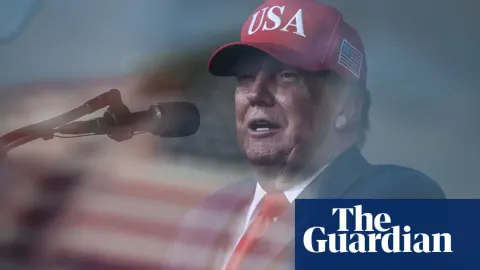
President Trump's pronouncements at the G7 summit regarding a preliminary agreement with Iran have injected a fresh wave of uncertainty into global markets. While Trump described the deal as a success and suggested allies "love" it, he simultaneously renewed threats of renewed bombing if Iran "doesn't behave." This mixed messaging has left investors and analysts scrambling to decipher the true nature and implications of the memorandum of understanding. The lack of concrete details, particularly concerning the alleged $300 billion fund for Iran, which Trump denied, has fueled speculation and market jitters.
The immediate impact is visible in currency and commodity markets. The Iranian Toman has seen significant fluctuations, with the USD/IRR pair moving from 153,200 to 157,700, marking a substantial 2.9% increase in the dollar's value against the Toman. Similarly, gold prices have reacted sharply, with 18k gold per gram rising by 3.7% and the Emami coin surging by 4.1%. These movements reflect a heightened risk premium as traders price in the potential for renewed tensions or a stalling of diplomatic progress, despite the G7 summit's overall positive framing of developments concerning Ukraine and Iran.

---
G7 Summit: Ukraine Support Pledged, AI Dominance Debated
The G7 summit, while partially overshadowed by President Trump's rhetoric on Iran, also saw significant discussions on other critical global issues. Leaders pledged renewed support for Ukraine, focusing on strengthening its air defenses and ensuring energy supplies amidst the ongoing conflict with Russia. This commitment signals a unified front among major Western economies in bolstering Kyiv's defense capabilities and maintaining economic pressure on Moscow.
Furthermore, the summit addressed the rapidly evolving landscape of artificial intelligence. G7 leaders engaged with top tech executives to discuss both the immense opportunities and the considerable dangers posed by AI. The dominance of U.S. tech companies in this field and concerns about the technology's potential risks to human dignity and control were central to the dialogue. Finding a balance between fostering innovation and establishing regulatory frameworks to manage AI's societal impact remains a key challenge for policymakers worldwide.
What Happened: Finland lifted a ban on nuclear devices to enhance NATO's capabilities amidst global uncertainty. President Trump made conflicting statements about a preliminary Iran deal at the G7 summit, causing market instability. G7 leaders pledged further support for Ukraine and discussed the future of AI.
Why It Matters: Finland's decision signals a potential shift in European defense strategies and nuclear technology approaches. Trump's ambiguous comments on Iran have directly impacted currency and gold prices, increasing volatility. The G7's focus on AI highlights its growing importance and the global effort to regulate its development and deployment.
The Bigger Picture: The confluence of these events underscores a world grappling with complex security challenges, from geopolitical tensions and defense posture adjustments to the economic fallout of diplomatic uncertainties and the transformative potential of advanced technologies like AI.
Frequently Asked Questions
What is the significance of Finland lifting its ban on nuclear devices?
How have President Trump's statements at the G7 summit affected markets?
What were the key outcomes of the G7 summit regarding Ukraine and AI?
What is the current status of the USD/IRR exchange rate and gold prices?
Understanding NATO’s Nuclear Sharing Policy
Nuclear sharing is a cornerstone of NATO’s collective defence strategy, allowing certain member states to host U.S. nuclear weapons on their soil and maintain the capability to deliver them using their own aircraft. The arrangement, formalised in the 1960s, was designed to reassure European allies during the Cold War while keeping the United States’ nuclear arsenal under tight American control.
Under the policy, host nations store the weapons in secured depots and train their pilots and ground crews for dual‑use missions. In a crisis, the weapons could be released to the host country's forces only after a political decision by NATO’s Nuclear Planning Group, ensuring that ultimate launch authority remains with the United States.
Finland’s recent decision to lift its domestic ban on nuclear devices reflects its accession to NATO and the possibility of participating in nuclear sharing. While Finland is not yet a designated host, the policy change signals willingness to align its defence posture with alliance norms and to contribute to collective deterrence.
Critics argue that nuclear sharing blurs the line between conventional and nuclear forces, potentially lowering the threshold for nuclear use. Supporters counter that it strengthens deterrence by spreading responsibility among allies, making any aggression against a NATO member a direct threat to the nuclear umbrella.
Understanding nuclear sharing helps explain why geopolitical shifts—such as Trump’s rhetoric on the Iran nuclear deal or G7 discussions on sanctions—can ripple through markets, affecting risk premiums, currency volatility, and investor sentiment worldwide.