Iran Deal Details Emerge, US Holds Rates, Markets Watch Geopolitics
جزئیات توافق ایران منتشر شد؛ آمریکا نرخ بهره را ثابت نگه داشت، بازارها منتظر تحولات ژئوپلیتیکی
New details have surfaced regarding a potential U.S.-Iran agreement, including reconstruction plans and nuclear talks, while the Federal Reserve maintained its interest rates. Geopolitical tensions and market reactions to global events remain a key focus.
At time of publishing
USD
156,100
Toman
Gold 18K
16.54M
Toman / gram
Bitcoin
$65,363
US Dollar
Tether
157,160
Toman
U.S. Details Preliminary Iran Agreement Amid G7 Summit
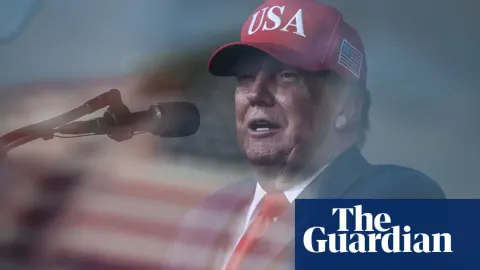
The U.S. government has released details of a preliminary agreement with Iran, as outlined by a U.S. official during the G7 Summit. The reported terms include a substantial $300 billion plan for Iran's reconstruction and an initiation of 60 days of talks focused on its nuclear program. This development, presented as a memorandum of understanding (MOU), has been met with mixed reactions, particularly from President Trump, who publicly denied any U.S. investment in a reconstruction fund and issued strong warnings about potential future actions should Iran fail to comply.
The significance of this agreement lies in its potential to reshape regional dynamics and international relations. For Iran, the reconstruction fund could offer a much-needed economic lifeline, potentially impacting its currency and overall financial stability. The nuclear talks, if successful, could lead to sanctions relief, further boosting economic prospects. However, Trump's assertive stance suggests that the path forward is fraught with uncertainty, and any deviation from the agreed terms could quickly revert the situation to a state of heightened tension and potential conflict. This delicate balance requires careful monitoring by all parties involved.
---
Federal Reserve Holds Interest Rates Steady Amid Economic Uncertainty
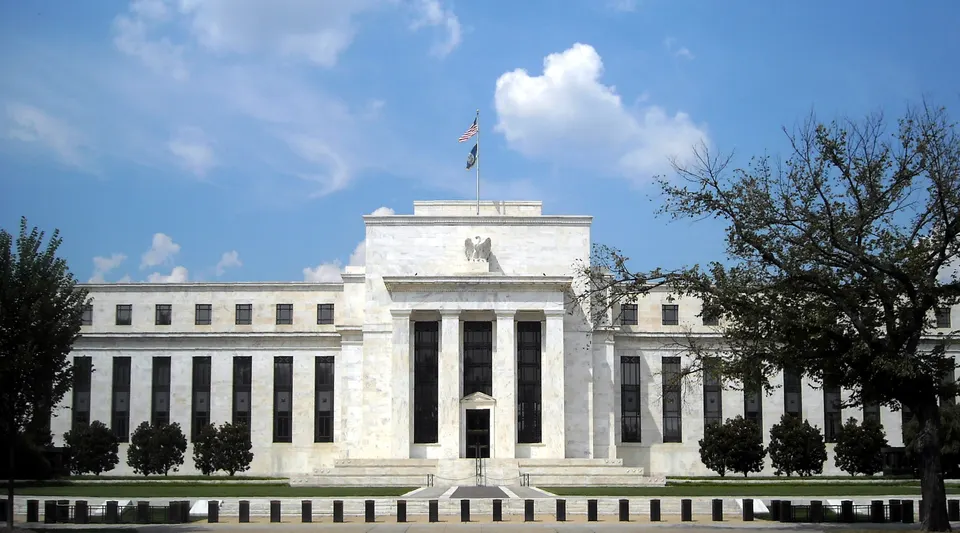
The U.S. Federal Reserve has opted to keep interest rates unchanged for the fourth time this year, a decision made during its first meeting under the new chair, Kevin Warsh, a Trump appointee. The central bank cited expanding economic activity, strong productivity growth, and robust capital investment as reasons for holding steady, despite acknowledging elevated uncertainty stemming from the Middle East conflict.
This decision to maintain the status quo on interest rates signals a cautious approach by the Fed. While the economy shows signs of resilience, the ongoing geopolitical instability in the Middle East is a significant factor influencing economic outlooks. For markets, this means continued stability in borrowing costs for now, but the Fed's vigilance suggests that any significant escalation or de-escalation in global conflicts could prompt a swift policy response. Investors will be closely watching for any shifts in the Fed's sentiment in future statements.
---
Markets React to Geopolitical Developments and Crypto Volatility
Global markets are navigating a complex landscape shaped by geopolitical events and the inherent volatility of the cryptocurrency sector. The emergence of details surrounding the U.S.-Iran agreement has sparked debate, particularly on platforms like Polymarket, where traders are discussing the nature and permanence of any potential peace deal. This uncertainty, coupled with broader market jitters, has contributed to fluctuations across asset classes.
In the cryptocurrency space, several firms have announced shutdowns due to unfavorable market conditions, including Satori Finance, a Coinbase-backed exchange. This trend highlights the ongoing challenges within the crypto market, even as some political campaigns receive significant funding from crypto PACs. Meanwhile, established financial institutions like Moody's are exploring new avenues, such as offering credit ratings on Solana, signaling a continued push for institutional adoption within the digital asset space. The interplay between traditional finance and the evolving crypto landscape remains a critical area to watch.
---
French Police Deal with UK on Asylum Seekers Raises Human Rights Concerns
French police operating under a significant £660 million deal with the UK have been authorized to use water cannon against asylum seekers. This measure is part of a broader effort to prevent asylum seekers and people smugglers from crossing the English Channel, especially with the summer months approaching. The deployment involves specialist policing units focused on border security and interdiction.
Human rights organizations have voiced strong criticism, labeling the decision to equip officers with water cannon as "sickening." They argue that such tactics are overly aggressive and violate the rights of vulnerable individuals seeking refuge. The agreement underscores the increasing pressure on European nations to manage migration flows, often leading to stringent border control policies that raise ethical and humanitarian questions. The long-term implications of these policies on asylum seekers and international humanitarian standards remain a subject of intense debate.

Frequently Asked Questions
What are the key details of the preliminary U.S.-Iran agreement?
Why did the Federal Reserve keep interest rates unchanged?
How are markets reacting to the U.S.-Iran developments?
What is the controversy surrounding the French police deal with the UK?
What is the potential economic impact of the U.S.-Iran agreement on Iran?
Understanding the Geopolitical Risk Premium
When investors talk about a geopolitical risk premium, they are referring to the extra return that markets demand for holding assets that could be affected by political events—wars, sanctions, diplomatic breakthroughs, or regime changes. In practice, analysts add a few basis points to the expected yield of a bond or the discount rate of a stock to compensate for the uncertainty that a sudden geopolitical shock could cause a loss. This premium is not fixed; it expands when tensions rise (e.g., during a nuclear‑talks deadlock) and contracts when diplomatic progress eases worries.
The premium shows up in many corners of the financial system. Central banks, such as the U.S. Federal Reserve, watch it closely because heightened geopolitical risk can push investors toward safe‑haven assets like U.S. Treasuries, driving yields down even when the Fed keeps policy rates steady. At the same time, risk‑averse investors may flee equities, prompting a broader market correction that is often labeled a “geopolitical shock” in market commentary.
Crypto assets have become a modern twist on the risk‑premium debate. Some market participants view Bitcoin and other digital currencies as a hedge against traditional financial sanctions, arguing that they are less vulnerable to state‑level blockades. Others counter that crypto’s volatility adds its own premium, making it a risky complement rather than a pure safe haven. The interplay between sanctions on Iran, the prospect of a new nuclear deal, and the rise of crypto illustrates how the geopolitical risk premium can shift across asset classes.
Finally, the premium matters for countries seeking foreign investment. Nations under heavy sanctions, like Iran, must offer higher yields on sovereign bonds or other incentives to attract capital, effectively paying the world’s assessment of their geopolitical risk. When negotiations progress—such as the recent Iran nuclear‑deal talks—those extra costs can shrink, lowering borrowing costs and opening the door to broader economic integration.