US Allies Plan $300B Iran Fund as Markets React to Peace Deal Details
متحدان آمریکا طرح صندوق بازسازی ۳۰۰ میلیارد دلاری ایران را تدوین میکنند؛ بازارها به جزئیات توافق صلح واکنش نشان میدهند
In a significant development, the US and its allies are reportedly preparing a $300 billion reconstruction fund for Iran, signaling a potential shift in economic relations. This comes as details of a 14-point MOU emerge, with President Trump claiming the deal averts a global economic downturn. Markets are closely watching the implications for oil sales and sanctions relief.
At time of publishing
USD
156,700
Toman
Gold 18K
16.54M
Toman / gram
Bitcoin
$64,705
US Dollar
Tether
156,498
Toman
US and Allies Prepare $300 Billion Iran Reconstruction Fund
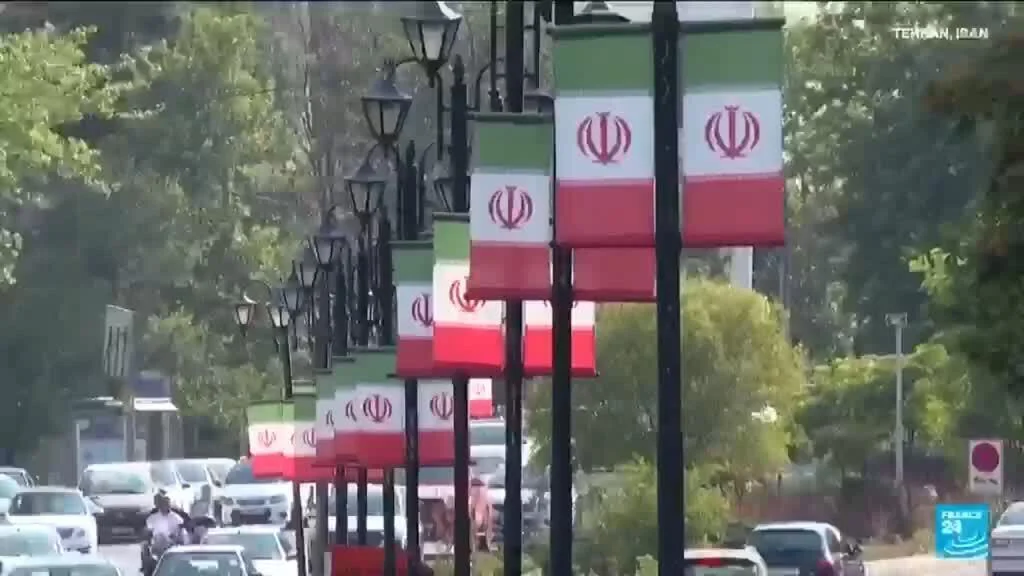
In a potentially groundbreaking development, the United States and its allies are reportedly formulating plans for a substantial $300 billion reconstruction fund aimed at Iran. US officials, while emphasizing Washington's commitment is not financial, have indicated that this fund could be made available to Tehran as part of a broader deal. The agreement, detailed in a 14-point Memorandum of Understanding, also includes provisions for Iran to resume oil sales immediately upon signing and for the lifting of all sanctions following a 60-day negotiation period. This initiative suggests a significant diplomatic and economic pivot, moving away from an era of stringent sanctions towards a framework of conditional reconstruction and reintegration for Iran.
The implications of such a fund are far-reaching. For Iran, it represents a potential lifeline for rebuilding its economy, infrastructure, and key sectors that have been crippled by years of international sanctions. The prospect of accessing such capital could stimulate domestic investment, create jobs, and improve living standards. For the US and its allies, the fund serves as a strategic tool to incentivize Iran's compliance with the terms of the agreement, particularly concerning regional stability and its nuclear program. It frames a path forward that prioritizes economic incentives over punitive measures, though the exact contributions and oversight mechanisms for the fund will be critical to its success and perceived fairness.
Trump Claims Deal Averts Global Depression, Details Emerge
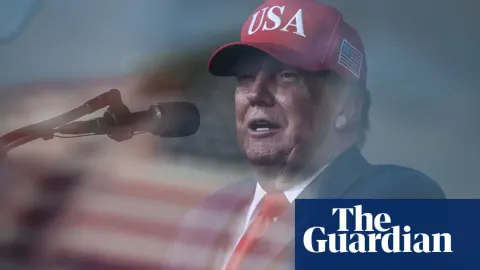
President Donald Trump has asserted that the recently detailed 14-point Memorandum of Understanding (MOU) with Iran is a "major win" for the United States and is crucial in averting a "worldwide depression." The text of the agreement, released by senior US officials, outlines significant concessions made to Tehran, including the reopening of the Strait of Hormuz and the potential for Iran to resume civilian uranium enrichment. Trump's remarks have been notably fluid, shifting from threats of renewed attacks to acknowledging Iran's basic rights and suggesting the return of frozen Iranian assets. This duality in rhetoric underscores the complex balancing act the administration is performing to secure a deal that appeases both domestic hardliners and international partners.
The release of the MOU's text provides a clearer picture of the concessions involved. Beyond the immediate resumption of oil sales and the potential for sanctions relief, the agreement appears to address Iran's ballistic missile program and its regional activities, though specifics remain subject to further negotiation. The claim that this deal prevents a global economic downturn hinges on the assumption that Iran's full integration into the global energy market, particularly its oil exports, will stabilize prices and supply chains. This perspective suggests that the recent geopolitical tensions were indeed a significant drag on the world economy, and their resolution, even with concessions, is seen as a net positive.
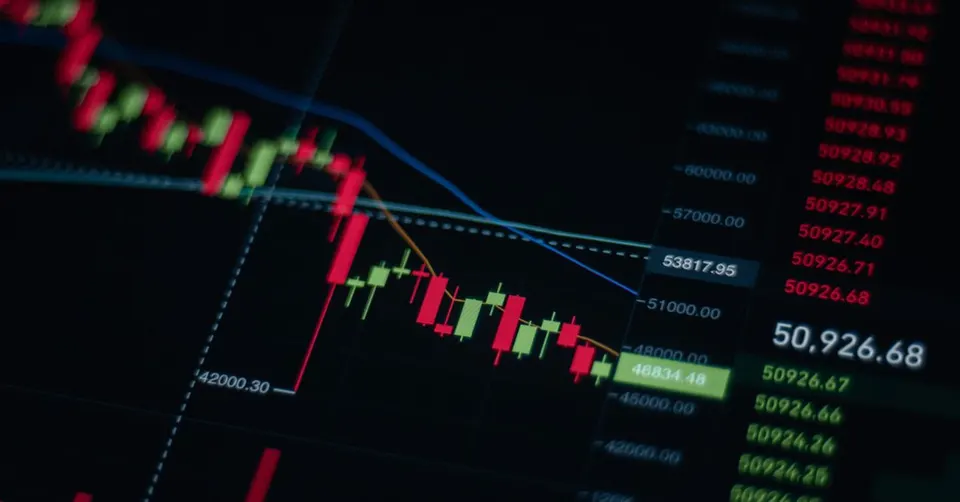
Market Impact: Toman Rises, Gold Surges on Deal Hopes
Financial markets are exhibiting a clear reaction to the emerging details of the US-Iran agreement, with the Iranian Toman showing a notable appreciation against the US Dollar and gold prices surging. The USD/IRR exchange rate moved from 153,200 to 156,700, representing a significant 2.3% increase in the Toman's value over the past 24 hours. This upward trend in the Toman's value, alongside a 4.1% jump in the Emami coin and a 2.9% rise in 18k gold per gram, indicates a heightened sense of optimism and a potential de-escalation of risk among investors and currency traders.
The surge in gold and the strengthening of the Toman are classic indicators of a flight to safety and a response to perceived geopolitical de-escalation. As the prospect of renewed oil sales from Iran and the potential lifting of sanctions become more concrete, the immediate risk premium associated with the Strait of Hormuz and broader Middle East instability diminishes. This reduces demand for safe-haven assets like gold and boosts confidence in local currencies like the Toman, which is expected to benefit from increased trade and economic activity. The market sentiment suggests that the deal, despite its concessions, is being interpreted as a net positive for global economic stability and specifically for Iran's economic prospects.
Frequently Asked Questions
What is the proposed value of the Iran reconstruction fund?
What are the key immediate provisions of the US-Iran MOU?
How has the Iranian Toman reacted to the news?
What has been the impact on gold prices in Iran?
What is President Trump's assessment of the deal?
Understanding Economic Sanctions and Their Relief
Economic sanctions are a powerful foreign policy tool used by countries or international bodies to pressure another nation, entity, or individual to change its behavior. These measures typically involve restrictions on trade, finance, travel, or other economic activities. They are often imposed in response to perceived threats to national security, violations of international law, human rights abuses, or nuclear proliferation, aiming to exert economic pain in hopes of achieving a specific political outcome without resorting to military force.
Common types of economic sanctions include trade embargoes, which prohibit the import or export of certain goods (like oil or advanced technology); asset freezes, preventing access to funds or properties held abroad; and financial restrictions, such as blocking access to international banking systems or imposing limits on financial transactions. Sectoral sanctions target specific industries, like the energy or banking sectors, to maximize economic pressure. The goal is to make it costly for the targeted entity to continue its undesirable actions, forcing a reevaluation of its policies.
While intended to compel policy change, economic sanctions can have profound and often complex impacts. In the targeted country, they can lead to severe economic hardship, including hyperinflation, currency depreciation (like the Iranian Toman), shortages of essential goods, and a significant drop in living standards. They can also affect global markets, for instance, by reducing the supply of a commodity like oil, potentially driving up prices. Furthermore, sanctions can have unintended humanitarian consequences and may sometimes foster resentment or lead to illicit trade networks.
The concept of "sanctions relief," as mentioned in the headline regarding a potential US-Iran deal, directly addresses these impacts. When a deal is struck, sanctions relief means lifting or easing these restrictions, allowing the targeted country to re-engage with the global economy. For Iran, this would mean increased oil sales, access to frozen assets, and the ability to attract foreign investment, all of which are crucial for economic recovery and stability. A substantial reconstruction fund, like the proposed $300 billion, would then serve as a mechanism to channel these newly accessible resources and investments into rebuilding infrastructure and stimulating growth after years of isolation.