Iran-US Peace Deal Sparks Market Volatility, Strait of Hormuz Tensions Rise
توافق صلح ایران و آمریکا؛ نوسان بازارها و تنش در تنگه هرمز
A landmark peace deal between the US and Iran has been signed, promising to ease regional tensions and potentially reshape global energy markets. However, immediate reactions show mixed signals, with oil prices dipping but strategic waterways facing new charges.
At time of publishing
USD
156,900
Toman
Gold 18K
16.54M
Toman / gram
Bitcoin
$63,905
US Dollar
Tether
156,733.529
Toman
Historic US-Iran Peace Accord Signed Amidst Shifting Geopolitics
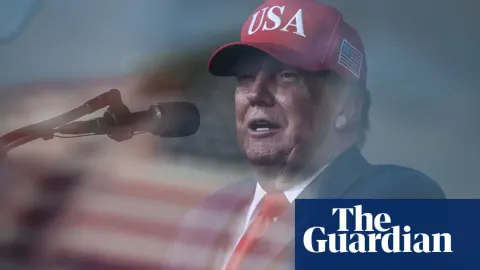
In a development that has sent ripples across the globe, the presidents of the United States and Iran have signed a historic peace deal, marking a significant de-escalation in the long-standing animosity between the two nations. The memorandum of understanding, mediated by Pakistan, aims to bring an end to the ongoing conflict and establish a new era of diplomatic relations. This accord comes after intense negotiations, with key figures like Iranian negotiator Abbas Araghchi playing a crucial role in brokering the agreement. China, through its Foreign Minister Wang Yi, has already expressed full support for the MoU, signaling a broader international endorsement of this diplomatic breakthrough.
The implications of this peace deal are far-reaching. For Iran, it could mean a potential easing of sanctions, a boost to its economy, and a significant shift in its regional standing. For the United States, it represents a foreign policy victory that could reshape the Middle East's political landscape. The immediate impact on oil prices has been a downward trend, as Brent crude fell to $77.64 and WTI to $74.58 per barrel, reflecting the market's anticipation of increased stability and supply from a region critical to global energy security. However, the road ahead is fraught with challenges, and the long-term effects on international relations and economic stability remain to be seen.
---
Strait of Hormuz to Impose Charges Amidst Peace Deal Uncertainty
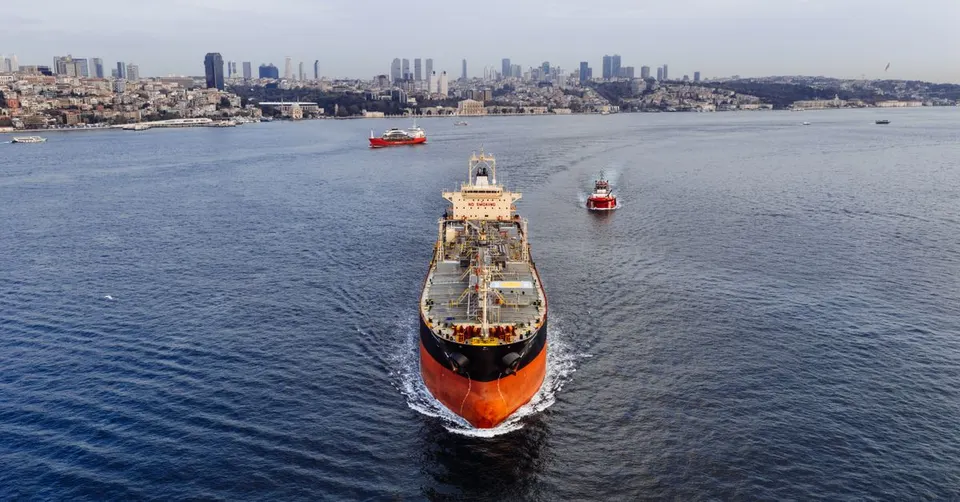
Despite the elation surrounding the US-Iran peace accord, a stark reminder of the region's inherent volatility has emerged. Tehran has announced that it will begin charging ships transiting the Strait of Hormuz after a 60-day window, a move that could introduce new complexities to global trade and energy flows. The chief Iranian negotiator stated that the vital waterway will “not return to prewar conditions” after this grace period, suggesting a strategic reassertion of control and a potential revenue stream for Iran.
This development casts a shadow over the optimism generated by the peace deal. While the agreement aims to de-escalate tensions, the decision to impose charges on maritime traffic in such a critical chokepoint highlights the intricate balance of power and the lingering strategic interests at play. The Strait of Hormuz is responsible for the transit of a significant portion of the world's oil supply, and any disruption or increased cost associated with its passage can have immediate and profound effects on global energy markets and the prices consumers pay at the pump. The market's initial reaction saw oil prices slide, but this new announcement could introduce renewed volatility.
---
Iran-Kazakhstan Trade Pact Signals Regional Economic Push
In parallel with the major geopolitical shifts, Iran is actively pursuing economic partnerships to bolster its trade relations. Iran's Minister of Roads and Urban Development, Farzaneh Sadegh, and Kazakhstan's Minister of Trade and Integration, Arman Shakkaliyev, have pledged to significantly boost bilateral trade between their nations, aiming to reach $3 billion. This commitment underscores a broader strategy by Iran to strengthen economic ties within its regional sphere, potentially as a means to mitigate the impact of past sanctions and diversify its trade partners.
The renewed focus on increasing trade with Kazakhstan is a strategic move. Kazakhstan, a key player in Central Asia, offers Iran access to new markets and logistical routes. This collaboration could facilitate the flow of goods, enhance investment opportunities, and foster greater economic integration. For Iranian businesses, this presents an opportunity to expand their reach and resilience. The pact signifies Iran's proactive approach to economic diplomacy, seeking to leverage regional cooperation to foster growth and stability, especially in light of the evolving geopolitical landscape following the recent peace accord with the United States.

---
Bitcoin Retreats Amidst Hawkish Fed Signals, Peace Deal Offers Little Boost
Cryptocurrency markets are experiencing a downturn, with Bitcoin falling to $63,000. This decline is largely attributed to signals from the U.S. Federal Reserve indicating a more hawkish stance on interest rates, dampening expectations for imminent rate cuts. The broader crypto market has seen its total value hover around $2.26 trillion, with spot ETFs experiencing outflows, suggesting a cautious investor sentiment.
The recent peace deal between the US and Iran, while a significant geopolitical event, has offered limited positive impact on Bitcoin prices. Investors appear more focused on macroeconomic indicators, such as the Fed's monetary policy, which has a more direct and predictable influence on speculative assets like cryptocurrencies. Historically, periods of high interest rates tend to make riskier assets less attractive. The brief dip below Bitcoin's 200-week moving average, a level historically seen as a strong entry point, has not been enough to reverse the current bearish trend, indicating that broader market forces are currently outweighing any region-specific geopolitical optimism in the crypto space.

Frequently Asked Questions
What is the significance of the US-Iran peace deal?
Why will Iran charge ships in the Strait of Hormuz?
What is causing Bitcoin's price to fall?
How will the Iran-Kazakhstan trade pact affect regional economies?
What is the immediate impact of the US-Iran deal on oil prices?
The Geopolitical Significance of the Strait of Hormuz
The Strait of Hormuz is one of the world's most critical maritime chokepoints, a narrow waterway connecting the Persian Gulf to the Gulf of Oman and, subsequently, the open ocean. Its geographical position makes it a strategic bottleneck for global energy markets. Roughly one-fifth of the world's total petroleum consumption, and a significant portion of the world's liquefied natural gas (LNG), passes through this strait daily. This includes oil exports from major producers such as Saudi Arabia, Iran, Iraq, Kuwait, Qatar, and the UAE, destined for energy-hungry economies in Asia, Europe, and North America.
The strait's immense importance stems from its role as the primary conduit for Middle Eastern oil and gas exports. Any disruption, perceived or real, to the free flow of shipping through this waterway can send shockwaves through global energy markets. Even the mere threat of closure or military confrontation in the region can cause oil prices to surge dramatically, reflecting fears of supply shortages and increased geopolitical risk premiums. This volatility directly impacts consumer prices, business costs, and overall economic stability worldwide.
Therefore, when headlines mention "Strait of Hormuz Tensions" alongside "Market Volatility" and "Oil prices," it's a direct reference to this critical vulnerability. A "peace deal" that doesn't fully stabilize the region or leaves room for continued friction can still trigger market anxieties because the underlying geopolitical risks to this vital chokepoint remain. Understanding the Strait of Hormuz's role is key to comprehending why events in the Middle East so frequently influence global economic indicators, from crude oil benchmarks to broader financial markets, including even the price of cryptocurrencies as investors react to perceived global instability.