
UK Economy Shows Resilience, Apple Eyes AI-Driven Price Hikes, Ukraine Strikes Moscow Refinery
اقتصاد بریتانیا مقاومت نشان میدهد، اپل در پی افزایش قیمت ناشی از هوش مصنوعی، اوکراین به پالایشگاه مسکو حمله کرد
The UK's labor market defied expectations with falling unemployment and rising wages, signaling potential policy shifts. Meanwhile, Apple is preparing to increase prices due to escalating chip costs driven by the AI boom. In a significant escalation, Ukraine launched a major drone attack on a Moscow oil refinery.
At time of publishing
USD
156,900
Toman
Gold 18K
16.37M
Toman / gram
Bitcoin
$64,190
US Dollar
Tether
157,048
Toman
UK Economy Defies Expectations Amid Global Uncertainty
Official figures released today reveal a surprising resilience in the United Kingdom's labor market. Unemployment dipped to 4.9% in the three months leading up to April, a decrease from the previous quarter's 5%. Concurrently, wages saw a more significant increase than anticipated, putting pressure on the Bank of England regarding potential interest rate adjustments. This economic performance occurs against the backdrop of a global geopolitical landscape increasingly shaped by the ongoing conflict in the Middle East and its ripple effects.
The implications for Iran are multifaceted. A stronger UK economy, particularly with rising wages, could influence global currency markets and potentially impact the value of the Iranian Toman indirectly through broader international trade dynamics. Furthermore, increased interest rate expectations in major economies like the UK can affect global capital flows, potentially influencing investment decisions and the availability of credit for developing economies. For Iranian businesses engaged in international trade, understanding these shifts in economic powerhouses is crucial for navigating currency fluctuations and market access.

---
Apple Signals Price Hikes Amidst AI Chip Cost Surge
In a move that will likely reverberate through the consumer electronics market, Apple is reportedly preparing to increase prices on its products. The primary driver cited for this impending price adjustment is the escalating cost of advanced chips, a direct consequence of the burgeoning artificial intelligence boom. While outgoing CEO Tim Cook has not specified which products will be affected or when these price hikes will take effect, the announcement signals a significant shift in Apple's pricing strategy.
The AI revolution, while promising unprecedented technological advancements, is placing immense pressure on the semiconductor industry. Demand for specialized AI chips is soaring, leading to supply chain constraints and increased manufacturing costs. For a company like Apple, which relies heavily on cutting-edge technology, these rising component expenses translate directly into higher production costs. This situation highlights the broader economic impact of AI, extending beyond software and services to the fundamental hardware that powers our digital lives, and potentially making cutting-edge technology less accessible.
This development is particularly relevant for tech enthusiasts and consumers worldwide, including those in Iran. As the global economy becomes increasingly interconnected, price changes from major tech players like Apple can have a ripple effect. For Iranian consumers, these potential price increases could mean higher costs for iPhones, Macs, and other Apple devices, impacting purchasing power and potentially driving demand towards more affordable alternatives or the pre-owned market. It also underscores the global competition for AI resources and the associated economic consequences.

---
Ukraine Escalates Conflict with Major Drone Strike on Moscow Refinery
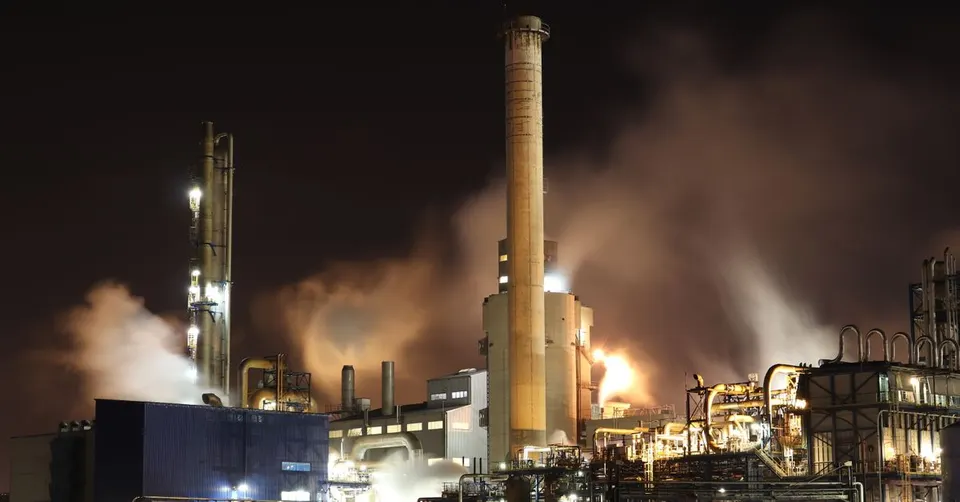
Ukraine has launched its most significant drone attack in years, targeting the Moscow oil refinery and causing substantial damage and fires. Mayor Sergei Sobyanin reported that while air defense systems were active, several drones managed to breach defenses, hitting the refinery in the Kapotnya district. The attack also reportedly damaged a nearby shopping center, with the mayor claiming approximately 180 drones were intercepted en route to the capital. This aggressive action follows a pattern of Ukrainian strikes aimed at Russia's energy infrastructure.
President Volodymyr Zelensky has framed the strike as a "justified response" to ongoing Russian assaults on Ukrainian territory. The targeting of the Moscow oil refinery is a strategic move, aiming to disrupt Russia's energy revenue and its capacity to sustain its war effort. By hitting key industrial and economic assets within Russia's heartland, Ukraine seeks to impose greater costs on Moscow and demonstrate its ability to project force deep within enemy territory. This escalation signifies a hardening of the conflict and a potential for further retaliatory actions from both sides.
The geopolitical ramifications of this attack are considerable. It represents a significant escalation in the conflict, moving beyond the front lines and directly impacting Russia's domestic infrastructure. For the global energy markets, such attacks on major refining facilities can lead to supply disruptions and price volatility, although the immediate impact on global oil prices may be muted given the current market conditions and the specific location of the refinery. For Iran, observing these developments is crucial. The conflict's impact on global energy dynamics, sanctions regimes, and international relations can indirectly affect Iran's own economic and geopolitical standing, particularly concerning its energy exports and its relationships with major global powers.
Frequently Asked Questions
How does the UK's economic performance affect Iran?
Why is Apple increasing prices due to AI?
What is the strategic significance of Ukraine's attack on the Moscow oil refinery?
Could the drone strike on the Moscow refinery impact global oil prices?
How do global tech price changes affect consumers in Iran?
Monetary Policy: The Central Bank's Balancing Act
The headline mentions the "UK Economy Shows Resilience" alongside keywords like "unemployment," "wages," and the "Bank of England." This immediately brings to mind the critical role of Monetary Policy, which refers to the actions undertaken by a nation's central bank to control money supply and credit conditions to promote sustainable economic growth. In the UK, this responsibility falls to the Bank of England, whose primary objective is to maintain price stability – keeping inflation at its target rate – while also supporting the government's economic policy, including objectives for growth and employment.
Central banks like the Bank of England constantly monitor key economic indicators such as unemployment rates and wage growth. While low unemployment and rising wages can signal a healthy economy, they can also contribute to inflationary pressures if demand outstrips supply. The Bank's challenge is to find a delicate balance: stimulating economic activity enough to create jobs and boost incomes without letting inflation spiral out of control. The "resilience" mentioned in the headline suggests the UK economy might be weathering various shocks, potentially indicating that the Bank's policies are either effective or that underlying economic strengths are helping to mitigate downturns.
The primary tool for implementing monetary policy is the adjustment of interest rates, specifically the base rate. When the Bank of England raises interest rates, it makes borrowing more expensive, which tends to cool down spending, investment, and ultimately, inflation. Conversely, lowering rates encourages borrowing and spending, stimulating economic activity and potentially reducing unemployment. Decisions on interest rates are complex, requiring careful analysis of current economic data, future forecasts, and global economic conditions, all aimed at steering the economy towards its dual goals of price stability and sustainable growth.