Asia’s Solar Pivot Amid Energy Crisis; Toman and Gold Retreat as Pezeshkian Hails 'Historic' MoU
چرخش آسیا به انرژی خورشیدی در بحران انرژی؛ عقبنشینی دلار و طلا با استقبال پزشکیان از توافق «تاریخی»
Southeast Asia is rapidly adopting solar power as energy costs spike due to regional conflicts, while Tehran markets see a significant drop in USD and gold prices following a new diplomatic agreement. Meanwhile, a massive drone strike on a Moscow refinery adds fresh volatility to the global energy landscape.
At time of publishing
USD
155,300
Toman
Gold 18K
16.08M
Toman / gram
Bitcoin
$64,289
US Dollar
Tether
155,672
Toman
The Solar Escape: Southeast Asia’s Response to Regional Crisis
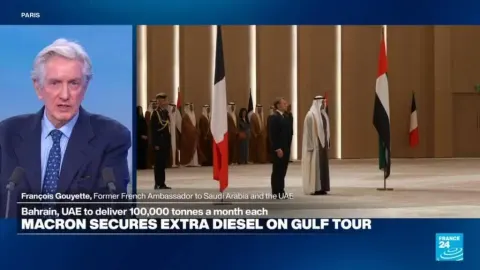
As the ripple effects of the ongoing conflict involving Iran continue to destabilize global energy markets, a structural shift is taking place in Southeast Asia. Homeowners and businesses across the region, which has long been dependent on expensive imported oil, are now turning to rooftop solar installations at a record pace. This transition is not merely an environmental choice but a survival strategy against the 'sting' of soaring energy costs that have followed the disruptions in Middle Eastern supply chains. The move signals a potential long-term decrease in oil dependency for some of the world's fastest-growing economies, which could eventually reshape global demand patterns.

This trend highlights how regional instability in the Middle East acts as a catalyst for green energy adoption elsewhere. While the 'Iran War'—as termed by local energy analysts—has brought hardship to traditional energy consumers, it has inadvertently accelerated the decentralization of power grids in Asia. For Iranian observers, this shift is a reminder that the world is actively seeking alternatives to the regional energy monopoly, potentially weakening the long-term leverage of oil-exporting nations if the transition reaches a critical mass.
Tehran Markets Breathe as 'Historic' MoU Cools Speculation
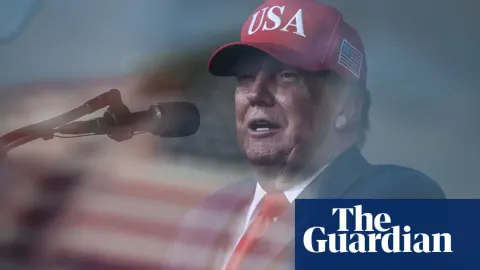
In Tehran, the atmosphere at the 17:00 session is one of cautious optimism. President Masoud Pezeshkian has officially hailed the recent memorandum of understanding (MoU) with the United States as a 'historic document' and a clear message of a 'powerful Iran.' This rhetoric, combined with the formalization of agreements in Islamabad, has sent a cooling wave through the speculative markets. The USD/IRR exchange rate, which had been under immense pressure, saw a notable decline, moving from 156,700 to 155,300, representing a 0.9% drop in just 24 hours.
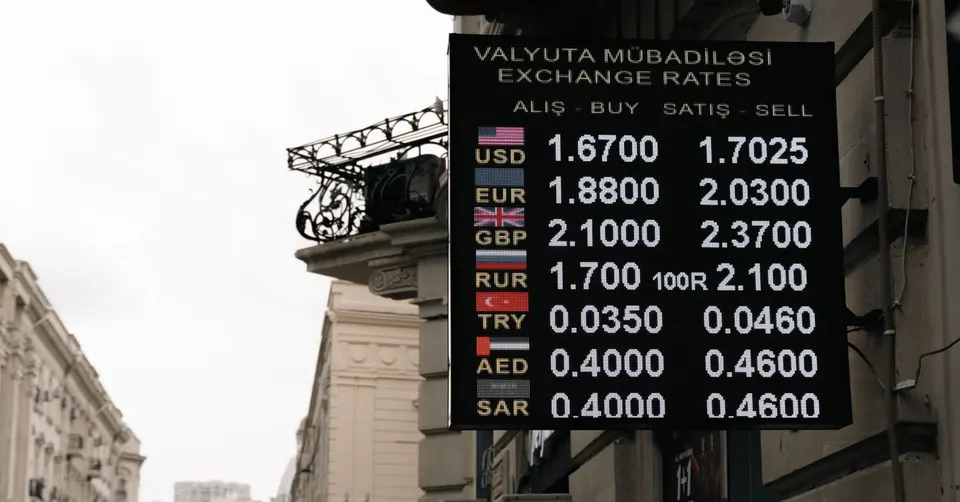
Gold and coin markets followed suit with even more dramatic corrections. The price of 18k gold per gram fell from 16,535,389 to 16,079,458 Toman, a sharp 2.8% decrease, while the Emami coin dropped from 164,500,000 to 160,500,000 Toman (-2.4%). This retreat suggests that the 'war premium'—the extra cost added by investors fearing immediate escalation—is being priced out as diplomacy takes center stage. However, analysts warn that this relief may be fragile; Gulf states have already expressed frustration that the current preliminary deals fail to address Iran’s missile and drone programs, leaving a significant security gap that could reignite tensions at any moment.
Global Energy Volatility: Moscow Refinery Under Fire
While diplomacy offers hope in the Middle East, the conflict in Eastern Europe has taken a turn toward economic warfare. Ukraine has launched what is being described as its largest air raid on Moscow since the start of the full-scale invasion, successfully striking a major oil refinery. The attack caused significant fires and forced the temporary closure of the capital’s largest airports, marking a direct hit on the heart of Russia’s energy infrastructure. President Zelenskyy framed the strike as a necessary response to recent attacks on Ukrainian cultural landmarks, signaling that Kyiv is now fully committed to targeting the financial and energy lifelines of the Kremlin.
This escalation has immediate implications for global energy prices and, by extension, the Iranian economy. Every strike on a major refinery reduces global supply and increases the volatility of crude oil, which currently stands at high levels. For the Iranian reader, this means that even as domestic currency stabilizes due to local diplomacy, the global 'inflationary tax' caused by rising energy costs will continue to keep the prices of imported goods high. The interconnectedness of the Moscow strikes and the Asian solar pivot proves that no market exists in a vacuum; the search for energy security is now the dominant theme of the 2026 global economy.
UK Politics and the Global Ripple Effect
In the United Kingdom, polls have opened for a historic by-election in Makerfield that could decide the political future of Prime Minister Keir Starmer. The election is being held under a cloud of security concerns, following the conviction of foreign-linked actors attempting to destabilize British democracy. The outcome of this vote is being closely watched by international markets, as a change in UK leadership or a shift in its foreign policy stance could alter the Western alliance's approach to both the Ukraine conflict and the ongoing negotiations with Iran. A weakened UK government might struggle to maintain its role as a key diplomatic intermediary, potentially leading to more fragmented international policy in the months to come.
Frequently Asked Questions
Why are Southeast Asian homeowners installing solar panels now?
What caused the 24-hour drop in the Toman's value against the USD?
How does the Moscow refinery strike affect the Iranian economy?
Investor Confidence and Market Dynamics Following Geopolitical Agreements
In financial markets, investor confidence refers to the degree of optimism or pessimism investors feel about the state of the economy and the future performance of financial assets. When confidence is high, investors are more likely to invest, driving up asset prices. Conversely, low confidence often leads to reduced investment and market downturns. This sentiment is a critical determinant of market behavior, influencing everything from stock valuations to currency exchange rates and commodity prices.
Geopolitical or significant economic agreements, such as a "historic Memorandum of Understanding (MoU)," can dramatically shift investor confidence. Even if an MoU is non-binding, it signals an intent for cooperation, potential stability, or future economic opportunities. For a country facing an energy crisis or economic challenges, such an agreement can be interpreted by investors as a positive step towards resolving issues or improving international relations. This perceived reduction in risk or increase in future prospects can quickly translate into market reactions.
Specifically, a boost in investor confidence often strengthens the local currency. As perceived risk decreases and future economic outlook brightens, investors may become more willing to hold or invest in assets denominated in the local currency, increasing its demand relative to foreign currencies (like the USD against the Iranian Toman). Simultaneously, safe-haven assets, such as gold, which investors flock to during times of uncertainty, tend to retreat or fall in value. This happens because the need for a secure store of value diminishes when confidence in economic stability and growth returns.
Therefore, the news of a "historic MoU" leading to a "retreat" in the Toman's exchange rate (implying strengthening against the USD) and gold prices in Iran illustrates this principle. It suggests that investors are interpreting the agreement as a positive development, reducing their demand for foreign currency and gold as hedges against instability, and potentially increasing their willingness to engage with the local economy. This dynamic interplay between political events, investor sentiment, and market movements is a fundamental aspect of global finance.