Finland Eyes Nuclear Ban Lift as Global Markets React to Iran Deal
فنلاند ممنوعیت سلاح هستهای را لغو کرد؛ بازارهای جهانی به توافق ایران واکنش نشان میدهند
Finland has lifted its ban on nuclear weapons, citing an uncertain global landscape, while markets react to the impending US-Iran peace deal. The Toman and gold prices saw a significant drop in Tehran, reflecting broader economic shifts.
At time of publishing
USD
155,600
Toman
Gold 18K
15.96M
Toman / gram
Bitcoin
$63,246
US Dollar
Tether
155,992
Toman
Finland Lifts Nuclear Weapons Ban Amid Global Uncertainty
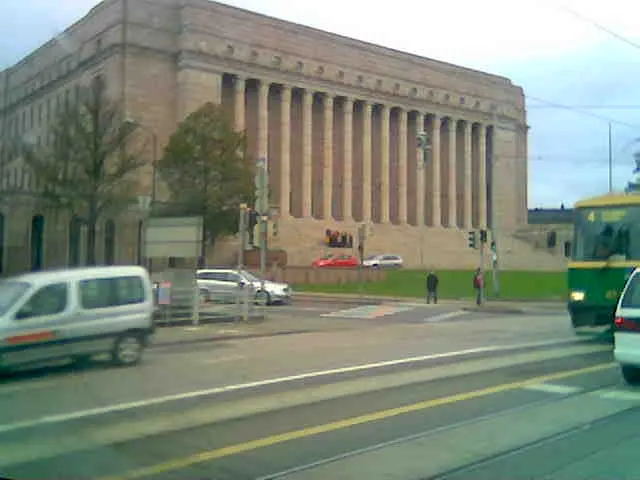
Finland has taken a significant step by lifting its ban on nuclear weapons, a move signaling a profound shift in its security posture and a stark acknowledgment of a rapidly changing geopolitical environment. The Nordic nation, which shares a substantial border with Russia, stated that this decision aims to bolster the NATO alliance, an organization it joined three years ago. This policy reversal is not an isolated event but rather a response to escalating global tensions and a perceived need for enhanced deterrence in an increasingly unpredictable world.
The implications of Finland's decision are far-reaching. It suggests a growing consensus among some nations that traditional security frameworks may no longer be sufficient to address emerging threats. The move could precipitate a new arms race or, conversely, encourage a more robust diplomatic engagement to de-escalate existing conflicts. For NATO, it represents a strengthening of collective defense capabilities, but it also raises questions about nuclear proliferation and the potential for miscalculation in a region already fraught with strategic sensitivities.
---
Markets Brace for Impact as US-Iran Deal Nears
The impending US-Iran peace deal continues to send ripples through global financial markets, with significant repercussions felt in Tehran. The Iranian Toman experienced a sharp decline, selling at 154,679 against the US dollar and closing at 155,600, marking a 0.7% drop in 24 hours. This depreciation is mirrored in the price of gold and coins, with the Emami coin falling 2.4% and 18-karat gold per gram down 3.5%. These movements suggest that while the prospect of peace is generally viewed as positive for global stability, the immediate economic adjustments and potential shifts in oil flows are creating volatility.
The Bank of England governor, Andrew Bailey, has warned the UK public to brace for higher costs this year, citing lingering inflationary pressures despite the Middle East conflict easing. This sentiment underscores a broader global economic unease, where even as a major conflict de-escalates, the downstream effects on supply chains and energy prices continue to influence inflation. For Iran, the potential reopening of the Strait of Hormuz, a critical artery for global oil trade, could eventually lead to increased export revenues, but the immediate market reaction indicates investor caution and a period of adjustment.

---
Dubai Drops 'Do Not Travel' Advisory Amid Shifting Regional Dynamics
In a significant development for regional travel and commerce, Dubai has seen its 'do not travel' advisory lifted. This change comes after thousands of Britons were left stranded in the Middle East during the height of the US-Iran war earlier in 2026. The removal of this advisory signifies a return to normalcy and increased confidence in the security situation across the region, particularly in the wake of the emerging peace agreement between the United States and Iran.
The practical implications of this advisory change are substantial. It is expected to boost tourism and business travel to Dubai, a key hub for international commerce and transit. For those previously affected by travel restrictions, it offers a clear signal that the immediate dangers have subsided. This development also contributes to a broader narrative of de-escalation and stabilization in the Middle East, which could have positive spillover effects on regional economies and international trade relationships, including those involving Iran.
---
Vance Defends Iran Deal Amid Lingering Nuclear Concerns
Despite the imminent signing of a US-Iran peace deal, which promises to reopen the Strait of Hormuz for oil trade, a shadow of uncertainty looms over long-term nuclear negotiations. Secretary Vance has publicly defended the current agreement, emphasizing its immediate benefits in restoring critical trade routes and reducing regional conflict. However, sources indicate that prospects for a comprehensive deal addressing Iran's nuclear program remain murky, highlighting the complex and multi-faceted nature of the diplomatic efforts.
This dichotomy between immediate economic relief and unresolved strategic issues presents a delicate balancing act for all parties involved. While the lifting of sanctions and the resumption of oil exports could provide a much-needed economic boost to Iran, the international community will likely maintain a close watch on its nuclear activities. The market's reaction, with the Toman and gold prices experiencing a downturn, suggests that investors are pricing in the risks associated with these lingering nuclear concerns, even as they acknowledge the positive impact of the de-escalation on oil markets. The situation underscores the challenges of achieving lasting peace and stability in a region with deep-seated geopolitical complexities.
Frequently Asked Questions
Why did Finland lift its ban on nuclear weapons?
What is the current status of the Toman and gold prices in Tehran?
What are the implications of Dubai dropping its 'do not travel' advisory?
Are there still concerns about Iran's nuclear program despite the peace deal?
How is the Bank of England viewing the current economic situation?
Geopolitical Risk and Market Dynamics
Geopolitical risk refers to the potential for political instability, international tensions, and policy shifts to disrupt global markets and economic activity. These risks, stemming from events like major international agreements (such as the Iran nuclear deal) or changes in a nation's strategic posture (like Finland considering lifting its nuclear ban), introduce significant uncertainty. Investors and businesses closely monitor these developments, as they can rapidly alter the landscape for trade, investment, and commodity prices, often leading to a reassessment of risk and opportunity across various sectors.
When geopolitical tensions rise, markets often exhibit a "flight to safety." This phenomenon sees investors move capital from riskier assets into those perceived as more stable or secure. Gold, for instance, is a classic safe-haven asset, frequently experiencing price surges during periods of global uncertainty. Conversely, currencies of countries directly involved in or significantly affected by geopolitical events, such as the Iranian Toman in the context of sanctions or international deals, can experience sharp volatility, reflecting changes in economic outlook, trade prospects, and investor confidence.
The interconnectedness of the global economy means that geopolitical events in one region can have far-reaching effects. For example, a shift in Iran's nuclear status or a new international agreement concerning it can impact global oil supplies and prices, subsequently affecting inflation and economic growth worldwide. Similarly, changes in a country like Finland's defense policy, especially in the context of its NATO membership, can influence regional security dynamics, defense spending, and investor sentiment towards European markets. These ripple effects are observed in financial hubs globally, from Dubai's commodity markets to major stock exchanges.
Understanding geopolitical risk is crucial for navigating the complexities of the modern global economy. It's not just about direct conflict but also about the subtle shifts in alliances, policy decisions, and international relations that can profoundly influence investment flows, supply chains, and the overall stability of financial systems. Businesses and policymakers must constantly analyze these risks to formulate resilient strategies and mitigate potential economic disruptions.