US-Iran Deal Causes Ripples in Markets and Politics
توافق ایران و آمریکا: اثرات در بازار و سیاست
The recent US-Iran agreement has stirred significant debate over its implications and raised questions about past conflicts. Meanwhile, Amazon faces scrutiny over its data center practices, and geopolitical shifts continue to unfold.
At time of publishing
USD
155,800
Toman
Gold 18K
15.95M
Toman / gram
Bitcoin
$62,488
US Dollar
Tether
156,556
Toman
US-Iran Agreement Raises Questions Over Past Conflicts
The recent agreement between the United States and Iran has sparked discussions about the true purpose and outcomes of conflicts in the region. As reported by BBC World, Bowen commented on the deal, questioning what the recent wars were meant to achieve given the current empowerment of the Iranian regime. The deal, intended to ease tensions and potentially lead to more stable relations, underscores the complexities of geopolitical strategies that have long dominated the Middle East.
This development is particularly significant for Iran, as it may influence the country's economic prospects, currency expectations, and international trade relationships. For Iranian citizens, the fluctuations in the value of the rial against the US dollar, which saw a slight decrease of 0.6% over the last 24 hours, reflect the broader economic impact of such diplomatic shifts. The agreement could potentially lead to the lifting of certain sanctions, thus opening new avenues for economic growth and stability.
Amazon Faces Backlash Over Data Center Policies
Amazon is under fire following reports that three of its employees are being investigated for allegedly speaking out against the company's data center practices. According to Wired and The Verge, these software engineers have filed complaints with Seattle's civil rights office, accusing Amazon of retaliating against them for their political speech. This situation has raised concerns about the technology giant's handling of employee grievances and its commitment to free speech.
The controversy highlights the ongoing tension between major tech companies and their workforce, particularly in the context of balancing corporate policies with individual rights. As Amazon continues to expand its data center operations, the outcome of this investigation could have significant implications for its business practices and reputation. Moreover, it underscores the broader issues of employee rights and corporate responsibility within the tech industry.

Geopolitical Dynamics Amid White House Fund Reallocation
In a surprising move, the Trump administration has quietly redirected $352 million in federal funds, originally intended for the Secret Service, towards a controversial White House ballroom project. The Guardian reports that this reallocation, which has sparked debate over its legality and ethics, was executed under the One Big Beautiful Bill Act. This decision has raised questions about fiscal priorities and transparency within the administration.
The geopolitical implications of such domestic policy moves are far-reaching, as they reflect the administration's broader strategic goals and priorities. The shift could impact international perceptions and diplomatic relations, particularly at a time when the US is engaged in significant negotiations with Iran. The reallocation of funds also underscores the ongoing challenges of governance and the balancing act between domestic projects and international commitments.

Oil and Energy Markets React to Persian Gulf Tensions
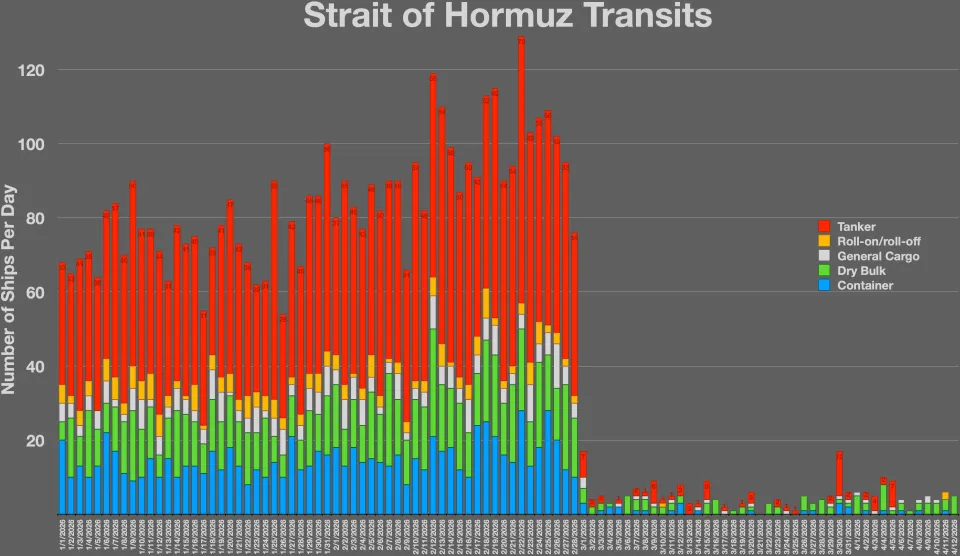
High tanker rates are causing disruptions in Persian Gulf oil shipments, particularly affecting major importers like China and India. As reported by OilPrice, the inability to secure affordable supertankers has led to challenges in procuring crude oil, exacerbating concerns over energy security and trade stability. The situation is further complicated by uncertainties surrounding the safe passage through the Strait of Hormuz, a critical chokepoint for global oil supplies.
These developments are pivotal for global energy markets, as they influence oil prices and the strategic calculations of key players in the region. The current volatility underscores the interconnected nature of geopolitical tensions and energy supply chains, highlighting the need for resilient strategies to mitigate such risks. For countries dependent on Gulf oil, this situation emphasizes the importance of diversifying energy sources and enhancing supply chain resilience.

Frequently Asked Questions
What does the US-Iran deal entail?
Why is Amazon under scrutiny?
How are high tanker rates affecting oil shipments?
What are the implications of the White House fund reallocation?
How does the Iran deal affect global markets?
Understanding Energy Geopolitics
Energy geopolitics examines the intricate relationship between political power, international relations, and the control or distribution of energy resources. It recognizes that energy, particularly fossil fuels like oil and natural gas, is not merely a commodity traded on markets but a strategic asset that profoundly influences national security, economic stability, and foreign policy decisions. Nations with significant energy reserves wield considerable influence, while those heavily reliant on imports often shape their diplomatic strategies around securing these vital supplies.
The ongoing discussions and potential outcomes of a US-Iran deal serve as a prime example of energy geopolitics in action. Iran possesses some of the world's largest proven oil and natural gas reserves. Any agreement that impacts Iran's ability to export its oil, whether through sanctions relief or new restrictions, directly alters global supply dynamics. This, in turn, affects international oil prices, the profitability of other oil-producing nations, and even the cost of shipping via critical maritime routes like the Strait of Hormuz, a major chokepoint for global oil transit, influencing "tanker rates" and broader "economic impact."
Beyond immediate market fluctuations, energy geopolitics shapes long-term international alliances and rivalries. Countries often form partnerships to ensure energy security or to control strategic energy corridors. Conversely, competition over resources can escalate tensions and even lead to conflict. For economies worldwide, the stability of energy supplies is paramount, underpinning everything from industrial production to the functioning of essential infrastructure, including global data centers which require consistent and affordable power. Understanding this complex interplay is crucial for comprehending global events and their far-reaching consequences.