Obama Center Opens in Chicago Amid Iran-US Deal Developments
افتتاح مرکز اوباما در شیکاگو همزمان با تحولات توافق ایران و آمریکا
The Obama Presidential Center has officially opened in Chicago, drawing attention amid significant developments in the Iran-US deal affecting the Strait of Hormuz. Meanwhile, discussions on Brexit terms hint at potential shifts in the EU-UK relationship.
At time of publishing
USD
155,700
Toman
Gold 18K
15.98M
Toman / gram
Bitcoin
$62,826
US Dollar
Tether
156,700
Toman
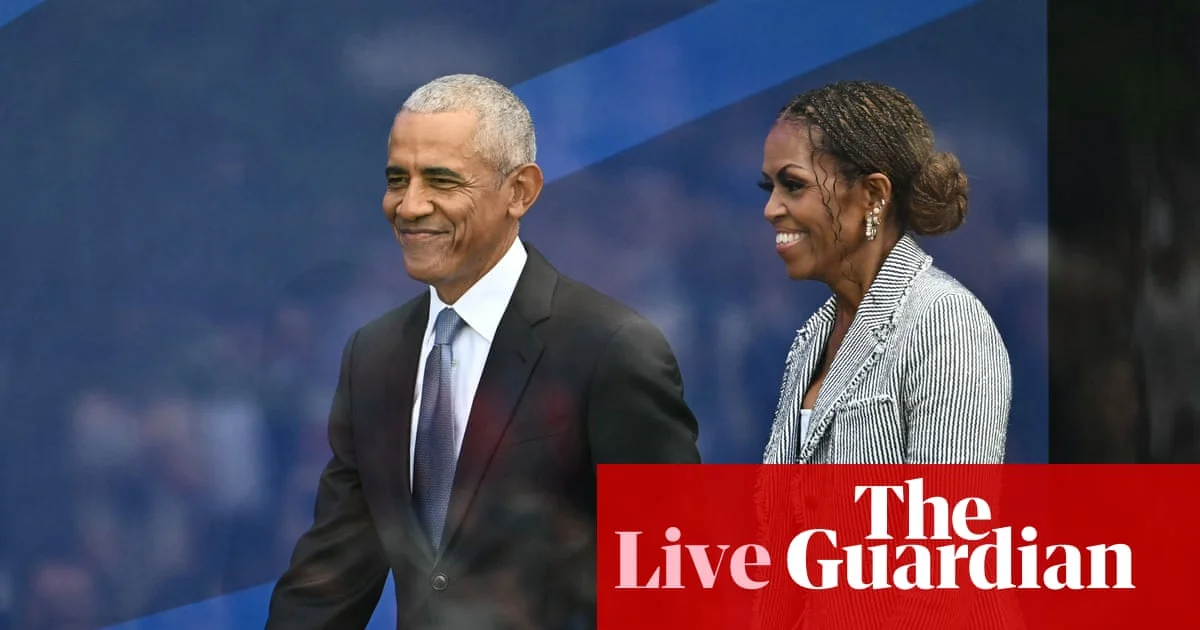
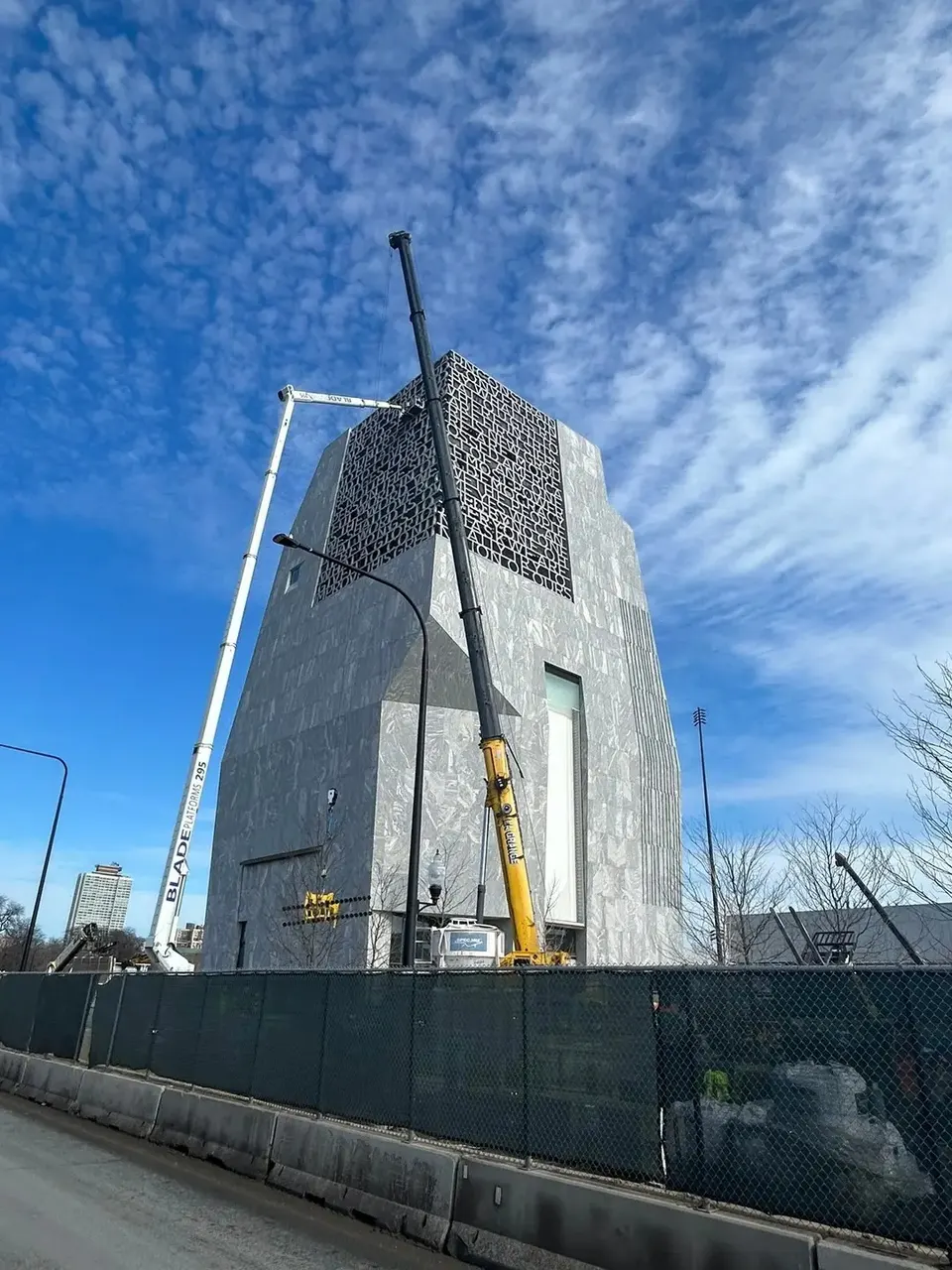
Star-Studded Ceremony Opens Obama Presidential Center in Chicago
The Obama Presidential Center was inaugurated today in Chicago’s South Side with a host of dignitaries, including former presidents, global leaders, and celebrities. The event marked a significant cultural and political milestone, celebrating the legacy of former President Barack Obama. The center, set in a sprawling lakefront park, aims to serve as a beacon for civic engagement and educational initiatives. The launch, covered live by prominent news outlets, underscores Obama's continued influence in American and global politics, even years after his presidency.
While the center itself is a monumental addition to the city, the timing of its opening coincides with the recent developments in US-Iran relations, which have seen a thaw following a newly signed Memorandum of Understanding. This places the Obama Center in a broader geopolitical context, as discussions at the event touched on global diplomatic efforts and the importance of peaceful resolutions in international conflicts. The presence of world leaders at the ceremony further highlighted the interconnected nature of global politics today.
Strait of Hormuz: Iran to Introduce Maritime Fees
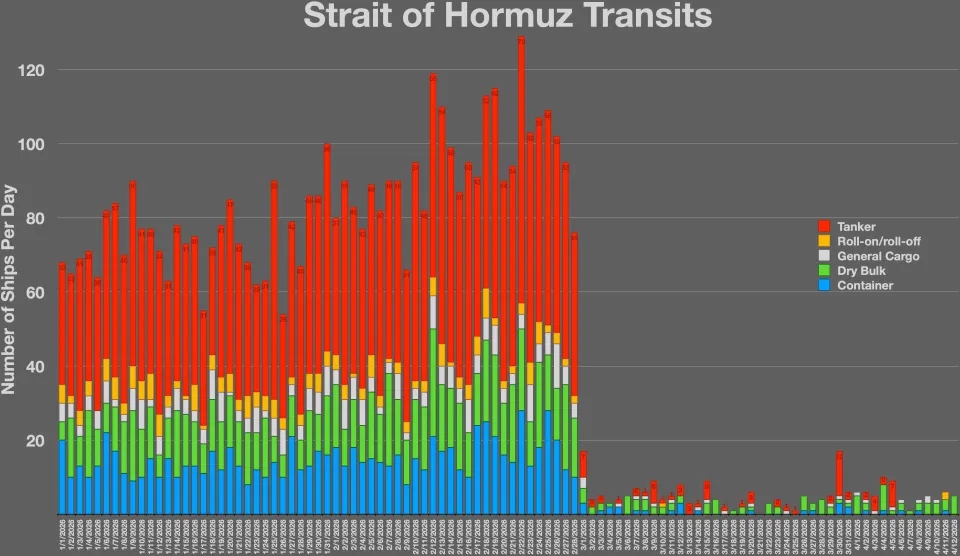
Iran has announced plans to implement maritime fees for vessels passing through the Strait of Hormuz, a crucial chokepoint for global oil transport. The fees are intended to cover the costs of managing the waterway, following the recent US-Iran agreement that reopened the strait. This decision comes as the 60-day toll-free period stipulated in the Memorandum of Understanding draws to a close. Iran's move is seen as a strategic assertion of its control over the strait, a vital conduit for international trade.
The introduction of these fees could have far-reaching implications for global oil prices and shipping costs, potentially affecting global markets, including those in Iran. The European Union has already expressed concerns, with plans for a naval mission to ensure the safe passage of vessels through the strait. For Iranian readers, the economic impacts of this decision could manifest in changes to currency valuations and the cost of imported goods, reflecting the delicate balance of geopolitical power in the region.
Brexit Reversal? Michel Barnier Discusses UK-EU Relations
Michel Barnier, the former chief negotiator for Brexit, has suggested that the UK could regain its special pre-Brexit terms if it decided to rejoin the European Union. In a recent interview, Barnier highlighted the potential for the UK to keep its currency and remain outside the Schengen Area, should it opt to re-enter the union. This statement comes as the UK approaches the tenth anniversary of the Brexit referendum, a poignant reminder of the ongoing debate about the country's future relationship with Europe.
Barnier's comments could influence political discourse in the UK, where opinions about rejoining the EU remain divided. For the European market, the potential re-entry of the UK could stabilize economic relations and increase investor confidence, impacting trade policies and economic forecasts. This development may also carry implications for Iranian businesses engaged in European markets, as shifts in EU-UK relations could affect trade agreements and market access.

Market Reactions: Impact of Iran-US Deal
The recently signed Iran-US deal has sparked significant reactions in global markets, particularly as it pertains to stock investments. Analysts from MarketWatch have described the agreement as a massive buy signal for stocks, indicating renewed investor confidence in the stability of the region. This strategic agreement has led to the reopening of the Strait of Hormuz, facilitating the unhindered passage of oil, thereby reassuring energy markets.
For Iranian markets, the effects are multifaceted. The reopening of trade routes promises relief from economic sanctions and a boost to the national economy. However, as the Iranian toman and gold prices continue to adjust, these developments underscore the volatility and complexity of international agreements and their direct impact on domestic economies. This situation highlights the need for Iranian investors and businesses to remain vigilant and adaptable to global economic shifts.
Watch
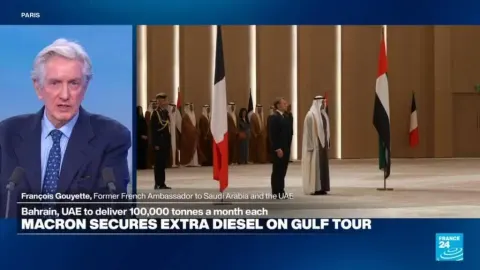
US-Iran deal: Key questions remain over status of Strait of Hormuz • FRANCE 24 English
FRANCE 24 English
Frequently Asked Questions
What is the significance of the Obama Presidential Center?
How will Iran's maritime fees impact global trade?
What are Michel Barnier's views on the UK's potential EU re-entry?
What does the Iran-US deal mean for global markets?
How might the Strait of Hormuz situation affect Iran's economy?
The Strait of Hormuz: Global Choke Point and Energy Lifeline
In the intricate web of global trade and geopolitics, certain geographical features hold disproportionate strategic importance. These are often referred to as "choke points"—narrow channels or passages that are critical for maritime transport, through which a significant portion of the world's trade must pass. Disruptions at these points, whether due to political tensions, conflict, or even natural events, can have ripple effects across global markets, impacting everything from energy prices to supply chains.
Among the most vital of these choke points is the Strait of Hormuz. Situated between the Persian Gulf and the Arabian Sea, this relatively narrow waterway (only about 21 miles wide at its narrowest point) is the sole maritime passage from the Persian Gulf to the open ocean. Its significance cannot be overstated: approximately one-fifth of the world's total petroleum consumption, and a substantial portion of its liquefied natural gas (LNG), transits through the Strait daily. This makes it an indispensable conduit for oil and gas exports from major producers like Saudi Arabia, Iran, UAE, Kuwait, and Iraq to global markets.
The geopolitical sensitivity surrounding the Strait of Hormuz is immense. Iran, bordering the northern side of the Strait, has historically leveraged its strategic position during periods of heightened international tension, particularly concerning its nuclear program and the impact of international sanctions on its economy. Any threat of closure or disruption to shipping in the Strait sends immediate shockwaves through global energy markets, leading to spikes in oil prices and increased maritime insurance fees. This vulnerability underscores the interconnectedness of international relations, energy security, and global economic stability.
Understanding the role of choke points like the Strait of Hormuz is crucial for comprehending the dynamics of global energy markets and international diplomacy. It highlights why developments related to the Iran-US deal, Iran's economy, or regional stability are closely watched by global investors and policymakers alike. The Strait serves as a perpetual reminder of how geography can dictate economic fortunes and geopolitical leverage in an increasingly interdependent world.