Iran Files FIFA Complaint Over World Cup Restrictions as Vance Defends Diplomatic Deal Amid Oil Price Spike
شکایت رسمی ایران به فیفا در پی محدودیتهای جام جهانی؛ دفاع جنجالی جیدی ونس از توافق و جهش قیمت نفت
Iran is taking its World Cup travel grievances to FIFA while Vice President J.D. Vance faces scrutiny over his defense of a new diplomatic framework with Tehran. Amidst the political friction, oil prices have surged back above $80 as crucial peace talks in Switzerland face unexpected delays.
At time of publishing
USD
155,700
Toman
Gold 18K
15.98M
Toman / gram
Bitcoin
$62,765
US Dollar
Tether
159,850
Toman
FIFA Complaint: Politics Spills Onto the Pitch
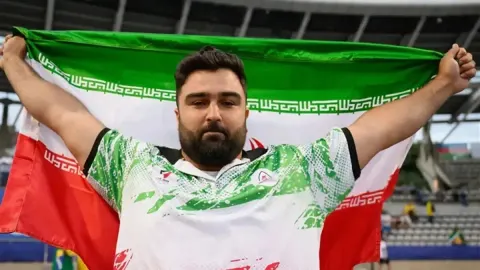
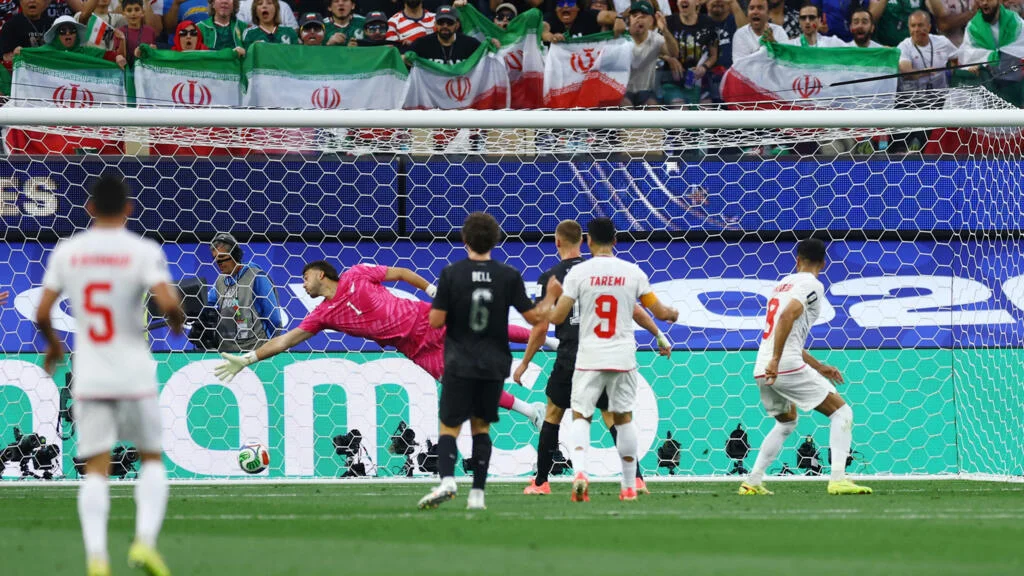
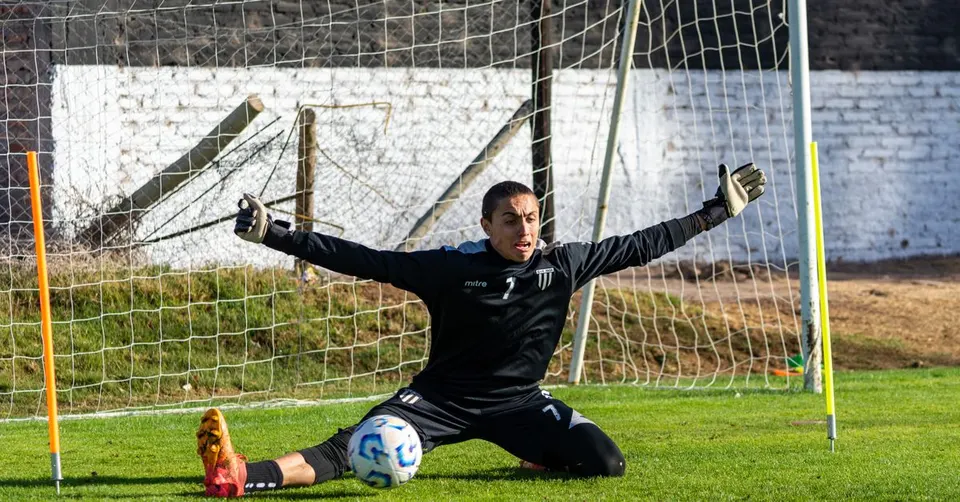
The Iranian Football Federation has officially announced its intention to lodge a formal complaint with FIFA regarding what it describes as "unfair and discriminatory" travel restrictions imposed on the national team during the 2026 World Cup in North America. This move follows a series of logistical hurdles that have reportedly hampered the team's ability to move freely between host cities, a situation Tehran attributes to residual political pressure and sanctions-related complexities. The federation argues that these restrictions provide an unfair advantage to competitors and violate the core principles of neutrality that FIFA purports to uphold.
For the Iranian public, this is more than just a sporting dispute; it is a reflection of the country's broader struggle for international recognition and fair treatment on the global stage. The timing is particularly sensitive as the national team represents one of the few avenues for national pride amidst domestic economic challenges. While FIFA has yet to issue a formal response, the complaint ensures that the intersection of geopolitics and sport will remain a dominant narrative throughout the tournament's duration.
The Vance Defense: A Contentious Diplomatic Path
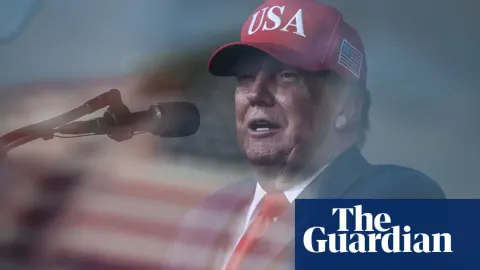
In Washington, Vice President J.D. Vance has become the primary face of the administration's controversial diplomatic engagement with Iran, a role that is drawing intense fire from both domestic critics and international allies. Reports from the New York Times suggest that Vance’s defense of the current framework rests on several "vague and misleading" claims, particularly regarding the level of leverage the United States actually holds. Critics point out that while Vance claims the U.S. can dictate terms, his assertions that Iran received no new benefits from the lifting of certain oil sanctions are factually inconsistent with the current flow of Iranian crude to global markets.
This political maneuvering is happening in the shadow of the 2028 presidential run, where Vance is increasingly seen as the standard-bearer for a "transactional" foreign policy. During recent briefings, Vance issued a blunt warning to Israeli critics of the deal, suggesting that alienating the U.S. administration could have long-term consequences for the bilateral alliance. For Iranian markets, this rhetoric is a double-edged sword; while it suggests a willingness to keep the deal alive, the lack of factual clarity creates a volatile environment for the Rial, which currently sits at a sell rate of 155,700 Toman, showing zero movement in the last 24 hours despite the headlines.

Oil Markets Rebound as Swiss Talks Stall
Global energy markets reacted sharply this morning to the news that the high-stakes peace talks between the United States and Iran in Switzerland have been postponed. Brent crude prices jumped back above the $80 per barrel mark, while West Texas Intermediate (WTI) rose to $76.28. The postponement, confirmed by the Swiss Foreign Ministry without a detailed explanation, has reintroduced a significant risk premium into the market. Traders who were betting on a swift de-escalation are now hedging against the possibility of a prolonged deadlock or further regional friction.
This uncertainty in the energy sector has a direct ripple effect on the Iranian economy. While oil prices rising generally benefits the treasury, the lack of a definitive diplomatic breakthrough keeps the "sanctions ghost" hovering over the Rial. In the local market, the Emami coin remains stable at 160,500,000 Toman, and gold 18k is holding at 15,983,655 Toman per gram. However, analysts suggest that if the postponement in Switzerland turns into a total collapse of talks, the current stability in the currency market—where the USD has held at 155,700 Toman—could be tested by a new wave of speculative demand.

OpenAI Turmoil and the Tech Landscape
In the technology sector, the "revolving door" at OpenAI continues to swing as Barret Zoph, the head of enterprise AI sales, has departed the company for the second time in less than a year. Zoph had only returned to the AI giant five months ago after a brief stint at Mira Murati’s Thinking Machines Lab. His exit signals ongoing internal volatility at the world’s leading AI firm, even as it attempts to scale its enterprise solutions globally. This instability at the top levels of Silicon Valley’s elite firms often precedes shifts in product strategy, which could impact how AI tools are integrated into financial and industrial sectors in the coming months.
Meanwhile, in the blockchain space, Algorand has announced a roadmap for "broad quantum resilience" by 2027. This move is designed to future-proof the network against the eventual threat of quantum computing, which could theoretically break current cryptographic standards. For crypto investors, this highlights a growing trend of "security-first" development. Bitcoin currently trades at $62,765, while Ethereum is at $1,699.22. As the traditional financial world watches the Swiss diplomatic drama, the tech world is quietly building defenses against the next generation of computational threats.
Frequently Asked Questions
Why is Iran filing a complaint with FIFA?
What is the controversy surrounding J.D. Vance and the Iran deal?
Why did oil prices rise to $80 this morning?
How International Sanctions Impact Global Sports Competitions
When a country faces economic or political sanctions, the ripple effects can reach far beyond banks and trade routes – they can even touch the world of sport. The most visible example is when FIFA, the governing body of football, imposes travel or visa restrictions on athletes, officials, or fans from a sanctioned nation. These restrictions are usually not imposed by FIFA itself but are the result of host‑nation governments enforcing United Nations or unilateral sanctions. As a result, teams may be barred from entering the tournament venue, their flags may be omitted from official displays, or broadcasting rights can be limited, all of which diminish the country’s visibility on the global stage.
Sanctions work by cutting off access to financial systems, restricting the export of certain technologies, and limiting travel for designated individuals. In the context of the FIFA World Cup, the host country must ensure that its immigration and customs laws are compatible with the sanctions regime. If a nation like Iran is subject to U.S. secondary sanctions, any entity that deals with Iranian banks or designated persons risks losing access to the U.S. financial system. Consequently, stadiums, hotels, and transport providers may refuse services to Iranian delegations to avoid secondary penalties, prompting FIFA to receive formal complaints when such exclusions appear to violate the sport’s principle of non‑discrimination.
The diplomatic tug‑of‑war that follows often involves high‑level negotiations. Political leaders may seek “sporting waivers” – special permissions that allow athletes to compete despite broader sanctions. These waivers are rare and typically require assurances that no prohibited financial transactions will occur. The 2022 Qatar World Cup saw similar debates over the participation of athletes from Russia and Belarus after the invasion of Ukraine, illustrating how sport can become a flashpoint for broader geopolitical tensions.
Understanding the mechanics of sanctions helps explain why a complaint to FIFA, like Iran’s recent filing, is more than a bureaucratic grievance; it is a strategic move to protect national prestige and maintain a channel for soft power. While FIFA strives to keep politics out of the game, the reality is that international law, economic coercion, and diplomatic negotiations are inseparable from the logistics of staging a truly global tournament.
For readers interested in digging deeper, the interaction between sanctions and sport raises questions about the balance between political pressure and the universal values of sport, a debate that will likely intensify as future World Cups approach.