Diplomatic Deadlock in Switzerland: US-Iran Talks Abruptly Cancelled Amid Lebanon Escalation
توقف ناگهانی مذاکرات سوئیس؛ سایه درگیریهای لبنان بر توافق تهران و واشینگتن
High-stakes talks between Washington and Tehran in Switzerland have been called off following a surge in Israel-Hezbollah hostilities, casting doubt on the 60-day peace window.
At time of publishing
USD
155,700
Toman
Gold 18K
15.98M
Toman / gram
Bitcoin
$62,670
US Dollar
Tether
158,598
Toman
Market Open — Stability Amid Global Tensions
As of 09:30 Tehran time, the domestic market remains remarkably steady despite the geopolitical turbulence overnight. The US Dollar (USD) is currently trading at 155,700 Toman for selling and 154,779 Toman for buying, showing a 0.0% change over the last 24 hours. While global markets are reacting to the breakdown in diplomatic talks, the local currency market appears to be in a 'wait-and-see' mode, holding its ground as traders digest the implications of the cancelled Swiss summit.
In the precious metals sector, Gold 18k per gram stands at 15,983,655 Toman, remaining unchanged (0.0%) from yesterday. The Emami coin also held its price at 160,500,000 Toman. Conversely, the global crypto market is seeing some volatility, with Bitcoin (BTC) falling slightly to $62,670 as risk-on sentiment fades. For the Iranian investor, the primary focus remains on whether the current diplomatic friction will translate into a renewed push for currency devaluation or if the 60-day 'peace window' will keep rates anchored.
The Bürgenstock Breakdown: Why the Swiss Talks Collapsed
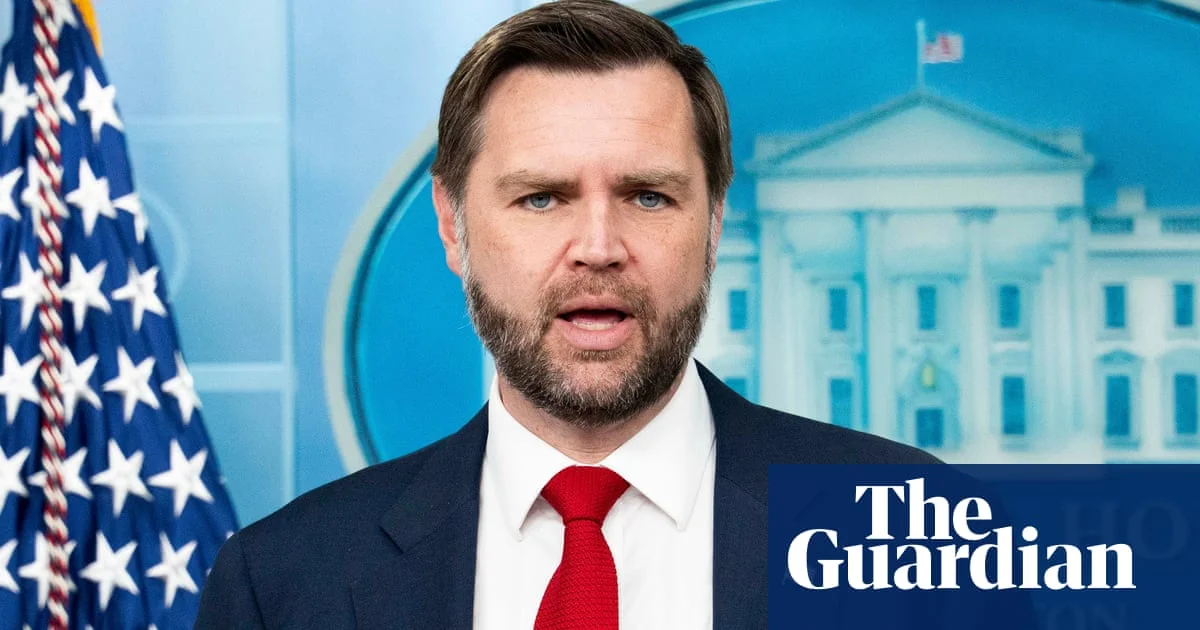
The highly anticipated diplomatic summit in the Swiss village of Obbürgen, intended to implement a landmark peace memorandum between the United States and Iran, was abruptly cancelled this morning. Just as staff for JD Vance were preparing for his departure to the summit, the meeting was pulled from the schedule. The immediate cause was a significant escalation in the Levant, where Israel and Hezbollah traded heavy fire. The IDF reported strikes across southern Lebanon, while Hezbollah targeted Israeli positions, effectively shattering the fragile calm required for such high-level diplomacy.

This cancellation is a major blow to the 60-day window opened by the recently signed Memorandum of Understanding (MOU). This window was designed to negotiate a permanent resolution to Iran's nuclear program and ensure the free flow of energy through the Persian Gulf. With the talks now on ice, the 'permanent understanding' many hoped for is at risk. Critics of the deal, including voices within the US political sphere, are using the escalation to argue that a comprehensive ceasefire is the only viable path forward, leaving the current diplomatic framework in a state of precarious uncertainty.
80 Million Barrels: The Strait of Hormuz Peace Dividend
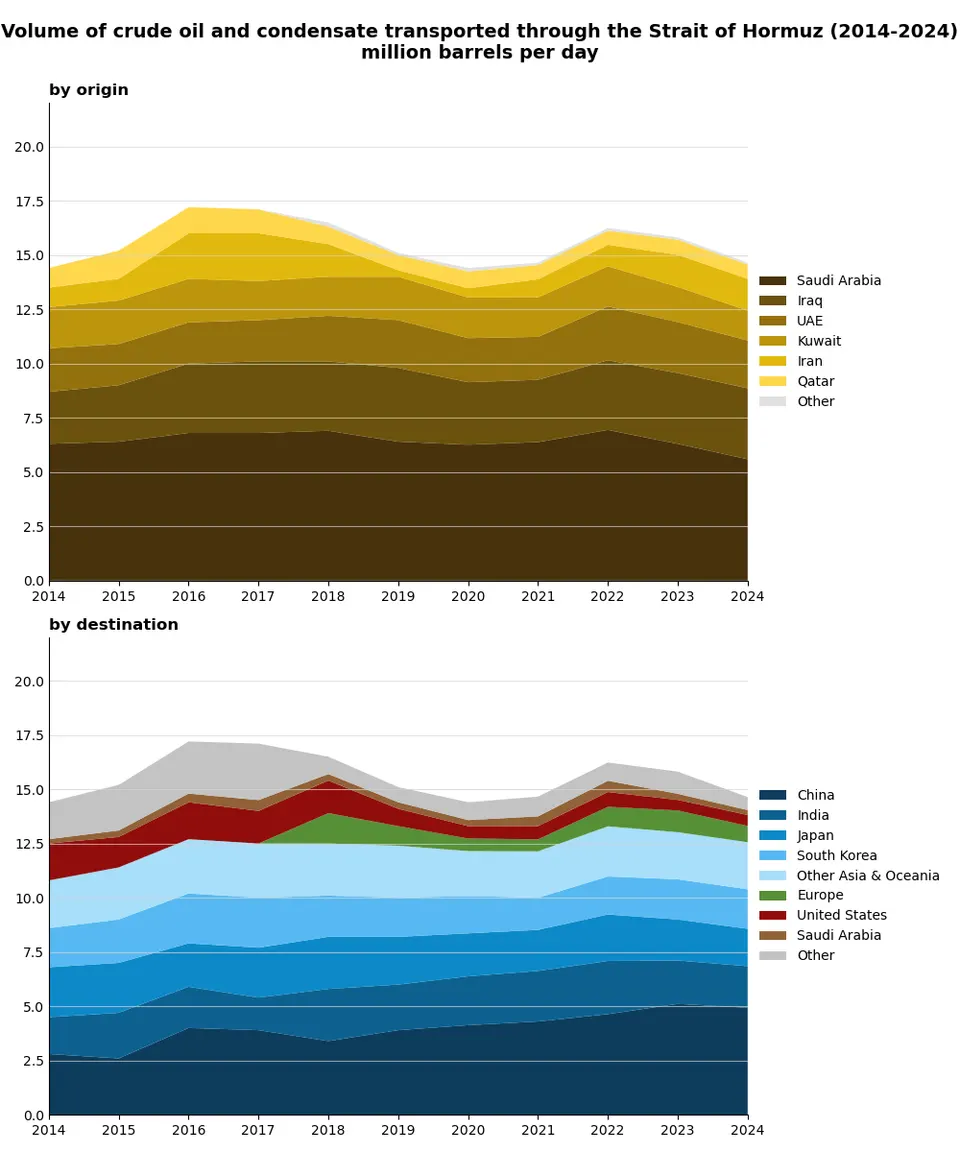
Despite the diplomatic setback in Switzerland, the energy markets are witnessing a historic logistical movement. Approximately 80 million barrels of crude oil are currently lined up to exit the Strait of Hormuz. This massive fleet of 40 tankers, including 21 bound for Asia and several specifically for China and Singapore, represents the physical manifestation of the preliminary deal between the US and Iran. The sheer volume of oil—none of which is reportedly Iranian crude—highlights the global importance of keeping this transit artery open.
To facilitate this movement and signal goodwill, Iran’s Supreme National Security Council announced a 60-day waiver of transit fees for ships passing through the Strait of Hormuz. This move, based on the Islamabad Memorandum, is an attempt to de-escalate tensions and provide a financial incentive for global shipping companies to continue their operations despite the regional risk. For the Iranian economy, this waiver is a calculated risk: sacrificing immediate fee revenue in exchange for a potential easing of sanctions and a stabilized energy market that could eventually benefit domestic exports.
Market Sentiment: Bitcoin Dips as Risk Assets Retreat
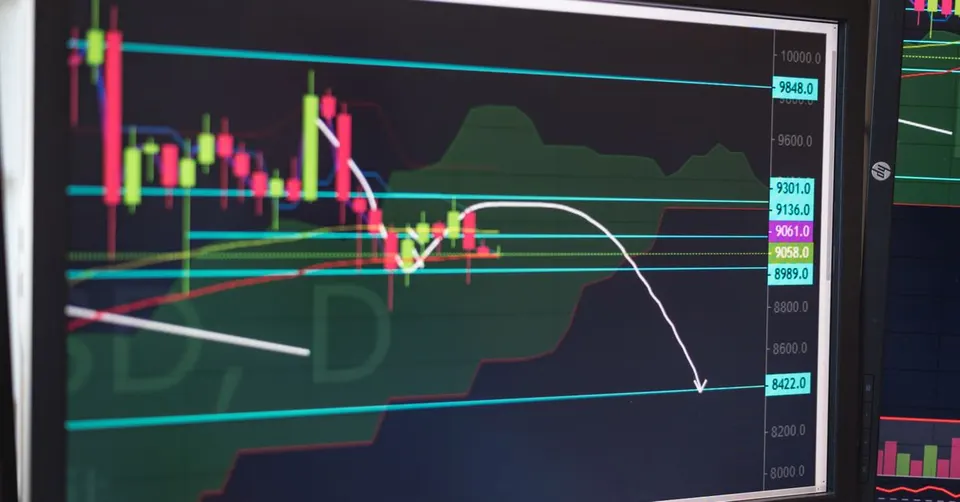
In the broader financial world, the optimism that characterized earlier in the week has begun to fade. Bitcoin fell below the $63,000 mark as risk assets sold off globally. This decline is largely attributed to 'holiday-thinned' trading and a general retreat from speculative positions as the reality of the Middle East crisis sets in. While some analysts previously viewed the Iran agreement as a 'massive buy signal' for stocks, the sudden cancellation of the Swiss talks has introduced a fresh layer of volatility that is making investors cautious.
Beyond the numbers, the human cost of the ongoing shadow war between the US-Israeli alliance and Iran is coming into sharper focus. Experts are warning that the true casualty count of recent conflicts may never be fully known due to internet blackouts and media restrictions. This backdrop of human suffering and geopolitical instability creates a complex environment for Iranian readers, who must balance the technical stability of the Toman with the underlying risk of a broader regional conflict that could disrupt everything from trade routes to digital assets.
Frequently Asked Questions
Why were the US-Iran talks in Switzerland cancelled?
What is the significance of the 80 million barrels of oil in the Strait of Hormuz?
Why did Iran waive transit fees for the Strait of Hormuz?
How has the Iranian Toman reacted to the cancellation of the talks?
Why the Strait of Hormuz Matters for Global Energy Security
The Strait of Hormuz, a narrow waterway between Oman and Iran, is one of the world’s most critical oil chokepoints. Roughly 20% of global petroleum liquids—about 21 million barrels per day—pass through this 21‑kilometer‑wide channel, making it a bottleneck that can instantly affect oil prices and supply chains. Because the strait sits at the mouth of the Persian Gulf, any disruption—whether from geopolitical tension, naval incidents, or deliberate closures—has immediate ripple effects on energy‑dependent economies worldwide.
Geopolitical rivalries amplify the strait’s strategic importance. The United States maintains a naval presence there to assure the free flow of commerce, while Iran has, at times, threatened to block or mine the passage in response to sanctions or regional conflicts. Recent diplomatic deadlocks, such as the aborted US‑Iran talks in Switzerland, raise the specter of a sudden escalation that could see Iran impose a transit fee waiver or even close the strait, thereby tightening global oil supplies and spiking prices.
Energy security analysts monitor Hormuz closely because its blockage would force tankers to take longer, costlier routes around the Cape of Good Hope, adding weeks to delivery times and increasing freight costs. Such a shift would not only raise the price of crude but also affect downstream markets, including the price of Bitcoin and other commodities that rely on cheap energy for mining operations. Moreover, countries dependent on Gulf oil—especially in Asia—would need to reassess strategic petroleum reserves and diversify supply sources.
The strait’s significance extends beyond oil; it also transports liquefied natural gas (LNG) and petrochemical products. Any sustained disruption could trigger broader economic consequences, from inflationary pressures to balance‑of‑payments stress in oil‑importing nations. Understanding the dynamics of the Strait of Hormuz therefore equips policymakers, investors, and the public with insight into how regional flashpoints can reverberate through the global economy.