Hakimi to Face Trial as Mideast Ceasefire Holds; Toman Plunges 2.2% on Diplomatic Delays
دادگاه کیفری برای ستاره پیاسجی؛ جهش ۲.۲ درصدی دلار در سایه تعویق مذاکرات هستهای
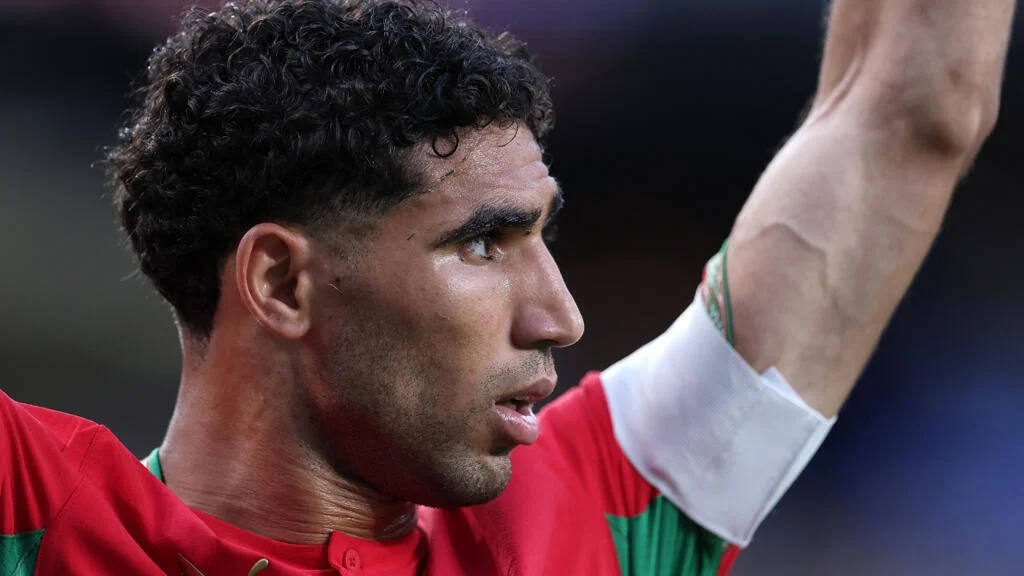
PSG star Achraf Hakimi has been ordered to stand trial for rape in France, while a fragile ceasefire between Israel and Hezbollah takes effect. Meanwhile, the Iranian Toman has weakened significantly as news of delayed diplomatic talks hits the markets.
At time of publishing
USD
159,200
Toman
Gold 18K
15.90M
Toman / gram
Bitcoin
$63,020
US Dollar
Tether
159,100
Toman
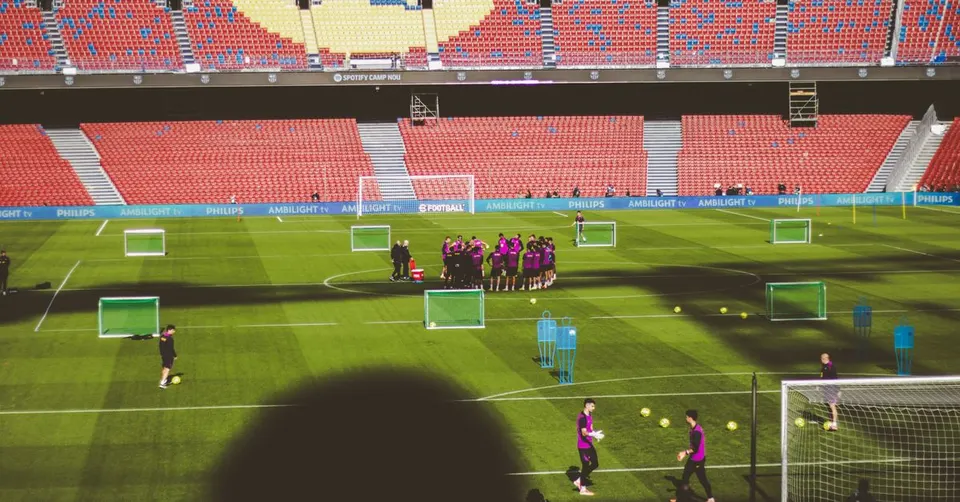
Legal Storm for PSG Star: Achraf Hakimi to Stand Trial
In a development that has sent shockwaves through the world of international football, a Paris appeals court has ruled that Moroccan national team captain and Paris Saint-Germain (PSG) defender Achraf Hakimi must stand trial on a rape charge. This decision comes after an investigative judge's recommendation in February was appealed by Hakimi's legal team. The allegations date back to early 2023, when a 24-year-old woman reported an incident at his home while his family was away. Despite Hakimi's consistent denials and his team's efforts to quash the proceedings, the court found sufficient grounds to move the case to a criminal trial.
This trial represents a significant moment for accountability in high-profile sports. For PSG and the Moroccan national team, the timing is particularly disruptive as they navigate their respective competitive seasons. The case has also sparked broader discussions regarding the legal protections afforded to public figures versus the rights of accusers in the French judicial system. As the legal process moves toward a public courtroom, the scrutiny on Hakimi's professional career will only intensify, potentially impacting his market value and sponsorship deals in the coming year.
Fragile Peace: Israel-Hezbollah Ceasefire and the Toman's Slide
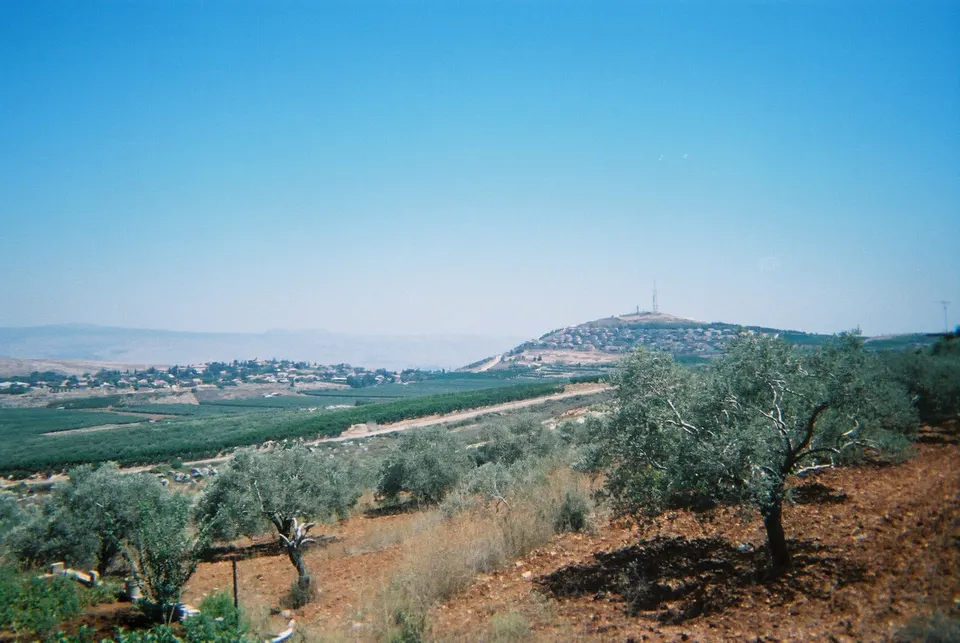
Geopolitical tensions in the Middle East reached a critical juncture today as a ceasefire between Israel and Hezbollah officially came into effect. This truce follows weeks of deadly exchanges that claimed the lives of both Lebanese civilians and Israeli soldiers. While US officials have confirmed the agreement is holding, the rhetoric remains incendiary. Israeli National Security Minister Itamar Ben Gvir has voiced extreme opposition to the deal, highlighting the internal political fractures within the Israeli cabinet. The ceasefire is seen as a necessary but unstable bridge toward regional de-escalation, though its longevity remains in doubt given the recent surge in strikes just hours before the deadline.
For Iranian markets, the geopolitical relief has been overshadowed by reports that Iran delayed scheduled diplomatic talks following the recent Israeli attacks in Lebanon. This perceived setback in the broader US-Iran framework agreement led to immediate volatility in the currency markets. The Iranian Toman saw a significant drop, with the USD/IRR exchange rate moving from 155,700 to 159,200, marking a 2.2% increase in the dollar's value within 24 hours. Investors who had priced in a swift diplomatic resolution are now hedging against prolonged uncertainty, causing the Toman to lose ground despite the official signing of a memorandum of understanding earlier this week.
Economic Realities and the Strait of Hormuz
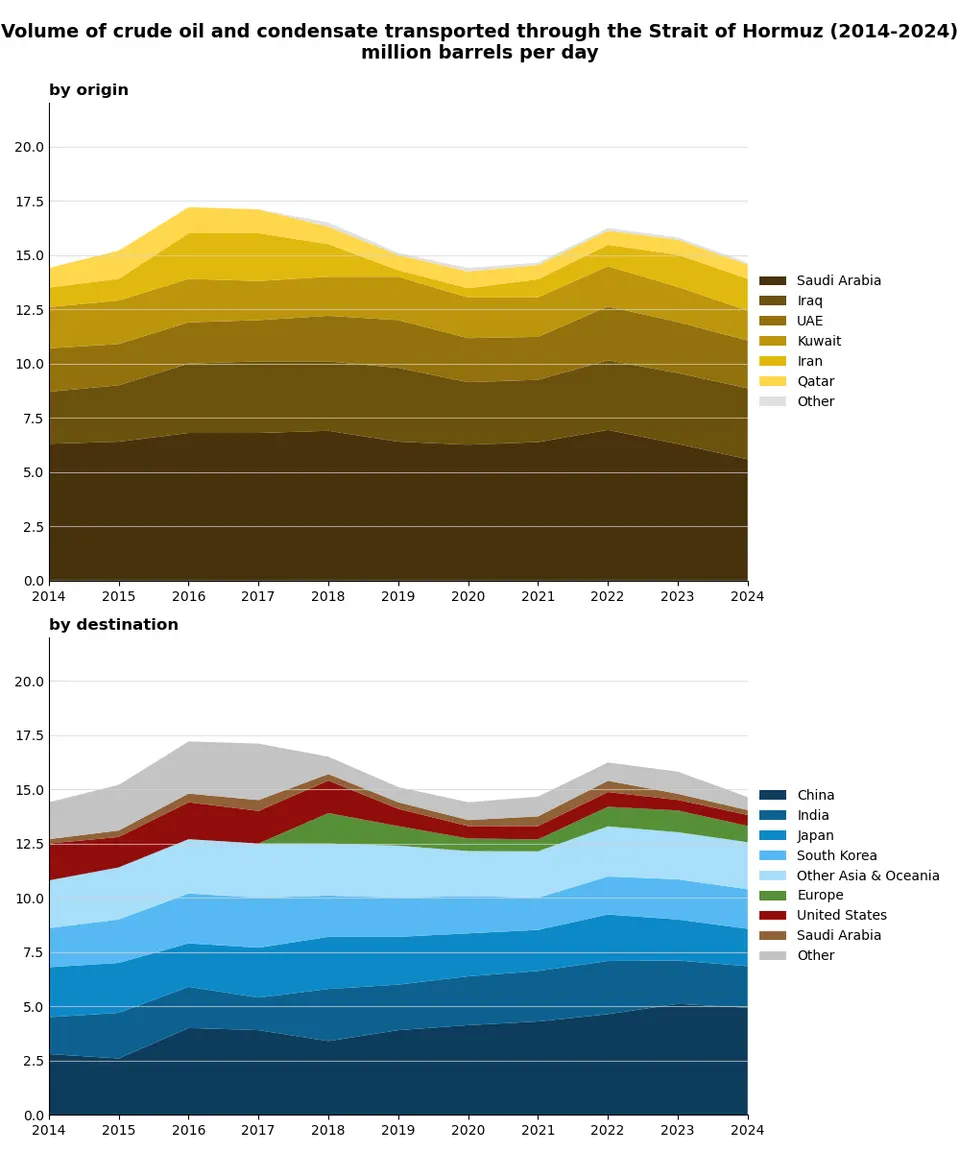
Amidst the diplomatic maneuvering, the Iranian Foreign Ministry has officially moved to debunk rumors regarding the closure of the Strait of Hormuz. Tehran labeled claims that the vital waterway had been blocked as "baseless," asserting that commercial shipping continues without interruption. This clarification was essential for global energy markets, which remain on edge. While the recent framework agreement between the US and Iran initially caused oil prices to dip and global shares to rise, analysts warn that durable economic gains depend entirely on the security of maritime routes. Maritime intelligence reports indicate that while traffic is beginning to revive, the presence of mines and the memory of recent hostilities keep insurance premiums high for tankers.
On the global stage, market sentiment is mixed. While tech stocks like Nvidia continue to hover near key buy points, broader US futures have shown signs of weakness with markets shut for the holiday. In the United Kingdom, political instability is adding to the global fog as Prime Minister Keir Starmer faces a leadership challenge from within his own party following a decisive by-election win by rival Andy Burnham. For the Iranian reader, this global instability suggests that even if regional tensions cool, external economic pressures and the internal demand for hard currency will keep the Toman under pressure in the short term. Gold prices in Tehran reflected this mixed sentiment, with 18k gold sliding slightly by 0.5% to 15,899,164 Toman per gram as the market balances international ounce prices against local currency devaluation.
Global Market Divergence: Tech Momentum vs. Political Risk
While the headlines are dominated by conflict and trials, a subtle shift is occurring in the financial markets. Chip stocks have been setting record highs, yet technical indicators like the Relative Strength Index (RSI) are showing a bearish divergence. This suggest that the current momentum might be losing steam just as political risks in Europe and the Middle East are peaking. Investors are increasingly looking for safety, which explains why the US Dollar remains strong against emerging market currencies and why the Toman has failed to stabilize despite the ceasefire news. The intersection of technology's cooling growth and rising geopolitical friction creates a complex environment for those managing portfolios in 2026.
Ultimately, the coming days will be defined by whether the Israel-Hezbollah ceasefire can transform into a broader regional cooling. If diplomacy remains stalled, the 2.2% jump in the USD sell rate to 159,200 Toman may just be the beginning of a new wave of inflation. For now, the world watches the courtrooms of Paris and the borders of Lebanon for the next signal of where the global order is headed.
Watch
Morocco and PSG player Hakimi to stand trial in France on rape charge • FRANCE 24 English
FRANCE 24 English
Frequently Asked Questions
Why is Achraf Hakimi standing trial now?
How did the Israel-Hezbollah ceasefire affect the Iranian Toman?
Is the Strait of Hormuz closed?
Understanding Currency Devaluation: Why the Iranian Toman Plummeted
Currency devaluation is the intentional downward adjustment of a nation’s official exchange rate. In Iran’s case, the government has long maintained a dual‑rate system: an official rate set by the Central Bank and a market rate that reflects real supply‑and‑demand dynamics. When sanctions tighten, foreign investors pull out, capital controls tighten, and the market rate can diverge sharply from the official one, creating pressure that forces the rial (and its sub‑unit, the toman) to lose value.
Sanctions are a key driver of this process. U.S. and EU restrictions limit Iran’s ability to sell oil abroad and to access the global financial system. With fewer dollars flowing in, the supply of foreign currency shrinks while demand for it—especially to pay for essential imports—remains high. This imbalance pushes the market exchange rate upward (more rials per dollar), which translates into a rapid depreciation of the toman in everyday transactions.
The depreciation feeds inflation. Imported goods become more expensive, wages often lag behind price hikes, and households see their purchasing power erode. The government may try to counteract this by raising interest rates or imposing price controls, but such measures can also stifle economic activity, creating a vicious cycle of lower growth and higher inflation.
Finally, diplomatic delays exacerbate uncertainty. When negotiations over nuclear talks or regional ceasefires stall, investors interpret the stalemate as heightened political risk, prompting further capital flight. The resulting loss of confidence can trigger sudden, sharp drops in the currency, as witnessed when the toman fell 2.2 % following weeks of stalled talks.
Understanding these mechanisms helps explain why a seemingly political event—a cease‑fire or diplomatic impasse—can have immediate, tangible effects on a country’s currency and the daily lives of its citizens.