Iran Leader OKs US Deal Despite Doubts; UK Politics in Turmoil; Oil Prices Dip Amid Hormuz Hopes
رهبر ایران علیرغم تردیدها، توافق با آمریکا را تایید کرد؛ سیاست انگلیس در آشوب؛ قیمت نفت با امیدهای هرمز کاهش یافت
Iran's Supreme Leader has reportedly greenlit a deal with the US, despite personal reservations. Meanwhile, UK politics is reeling from a significant by-election result, potentially triggering a leadership challenge. Oil prices are showing signs of softening as optimism grows around the reopening of the Strait of Hormuz.
At time of publishing
USD
158,700
Toman
Gold 18K
15.91M
Toman / gram
Bitcoin
$63,272
US Dollar
Tether
159,493
Toman
Ayatollah Allows US Deal Amidst Internal Doubts
Iran's Supreme Leader, Ayatollah Mojtaba Khamenei, has reportedly given his approval for a recently negotiated deal with the United States, a move that appears to have been made despite his personal reservations. According to reports, Khamenei has distanced himself from the agreement, placing the responsibility for its implementation on Iran's president. This nuanced approval suggests a pragmatic approach to foreign policy, where national interests may supersede personal inclinations. The deal's allowance, even with expressed dislike, signals a potential shift in Iran's engagement with international powers, aiming perhaps to alleviate economic pressures or de-escalate regional tensions.
This development carries significant implications for the Iranian economy and its standing on the global stage. The allowance of the deal, even with stated reservations, could lead to a more stable currency environment, as reflected in the USD/IRR pair's recent movement from 155,700 to 158,700 (+1.9%). While the Supreme Leader's stance aims to maintain Iran's negotiating leverage and avoid concessions, the market's reaction will be crucial in determining the true impact on trade, investment, and the overall confidence in the nation's economic future. The explicit statement that the deal does not equate to acceding to all U.S. demands underscores Iran's intent to preserve its sovereignty while seeking beneficial international relations.

---
UK Politics on Shaky Ground After Makerfield By-election
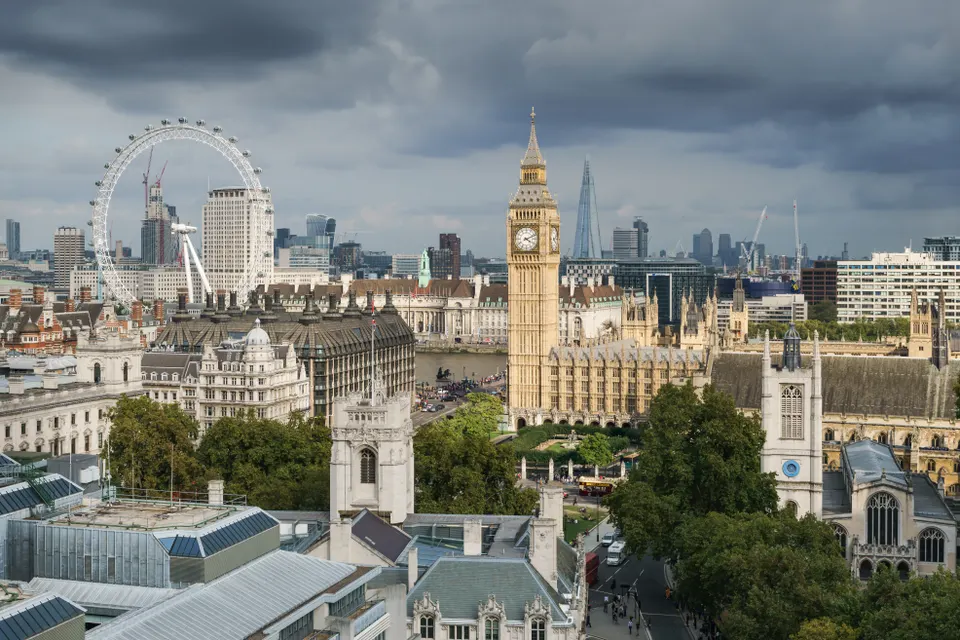
British politics is experiencing a seismic shift following Andy Burnham's resounding victory in the Makerfield by-election. Burnham, the current Mayor of Greater Manchester, secured a significant majority, positioning him as a strong contender to challenge Prime Minister Keir Starmer for the leadership of the Labour Party. This outcome has sent ripples through Westminster, with commentators suggesting that Starmer's position is now precarious. The by-election result is being framed as a pivotal moment, potentially heralding a new direction for the party and the country.
The implications of this political turbulence extend beyond the internal dynamics of the Labour Party. A potential leadership change in the UK could influence foreign policy, economic strategies, and international relations, which in turn may affect global market sentiment and trade dynamics. While the immediate focus is on the potential leadership contest, the broader question remains whether Burnham's ascent would signal a significant policy pivot for Britain. The market's attention will be tuned to any official statements or policy shifts that emerge from this evolving political landscape.
---
Oil Prices Soften as Hormuz Reopening Hopes Rise
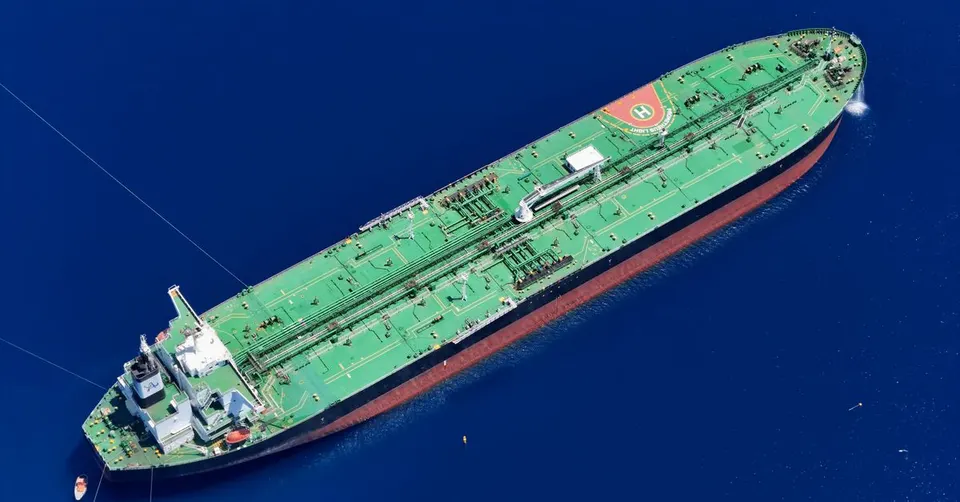
Global oil prices are experiencing downward pressure, even as some tankers remain in limbo, due to growing optimism surrounding the potential reopening of the Strait of Hormuz. The recent ceasefire agreement between the U.S. and Iran has fueled expectations of increased maritime traffic and a return to pre-conflict production levels. Kuwait, for instance, has indicated its readiness to ramp up oil output to 2 million barrels per day within a week, signaling a significant rebound in supply.
This surge in anticipated supply, coupled with the de-escalation of tensions, is weighing on crude prices. However, the pace of actual tanker movements and the full restoration of shipping routes remain key variables. Insurers have responded by launching a substantial $400 million war-risk facility through Lloyd's of London, aimed at bolstering confidence and capacity for vessels transiting the Strait. This initiative underscores the residual risks and the ongoing efforts to normalize trade through this critical chokepoint. The market's bet on a Hormuz reopening is evident, but the slow pace of outflows suggests that full recovery may still face hurdles.
The economic impact of a normalized Strait of Hormuz cannot be overstated. It promises to ease supply chain bottlenecks, reduce shipping costs, and contribute to a more stable global energy market. For Iran, the resumption of normal shipping could also bring much-needed revenue. The current downward trend in oil prices, with the gold ounce in USD hovering around $4,150.00, reflects this cautious optimism. However, lingering questions about the fragility of the U.S.-Iran deal and ongoing geopolitical uncertainties mean that volatility could return swiftly.
---
Markets Show Mixed Signals Amidst Global Uncertainty
Financial markets are navigating a complex landscape, exhibiting mixed reactions to the unfolding geopolitical and economic developments. The Iranian Toman, while showing some resilience, has experienced a notable upward movement against the US Dollar, with USD/IRR selling at 158,700, reflecting a 1.9% increase from its previous level. This currency fluctuation occurs against a backdrop of evolving international relations and potential shifts in sanctions regimes.
In commodity markets, gold prices have seen a slight dip, with 18k gold per gram falling by 0.4% to approximately 15,912,784 Toman. This movement suggests a marginal decrease in demand for safe-haven assets, possibly linked to the perceived easing of tensions in key global hotspots and the anticipated increase in oil supply. The Emami coin, however, remains stable at 160,500,000 Toman, indicating a steady store of value perception within the domestic market. These price actions collectively paint a picture of cautious trading, where investors are weighing potential upsides against persistent global risks.
Frequently Asked Questions
What is the significance of the Supreme Leader allowing the US deal despite his reservations?
How might the UK political turmoil affect global markets?
Why are oil prices falling if tankers are still trapped in the Strait of Hormuz?
What is the current trend for the Iranian Toman against the US Dollar?
What is the role of the new war-risk facility for Hormuz shipping?
The Strait of Hormuz: Global Oil's Critical Chokepoint
The Strait of Hormuz is not just a body of water; it's one of the world's most critical geopolitical chokepoints, a narrow maritime passage with immense global economic implications. Located between Oman and Iran, this strategic strait connects the Persian Gulf—home to some of the world's largest oil producers like Saudi Arabia, Iran, UAE, Kuwait, and Iraq—to the Arabian Sea and then to the broader global oceans. Its unique geographical position means that a significant portion of the world's seaborne oil supply must pass through its waters daily.
Indeed, an astonishing amount of the world's liquid natural gas (LNG) and crude oil, often cited as around 20-30% of global seaborne oil trade, transits through the Strait of Hormuz. This makes it an indispensable artery for global energy markets. Any disruption, threat, or perceived instability in the Strait can send immediate shockwaves through international oil prices, affecting economies worldwide. The mere hopes of reduced tension, as mentioned in the headline, can cause prices to dip, reflecting the market's sensitivity to supply security.
Historically, the Strait has been a flashpoint for regional and international tensions, particularly due to its proximity to Iran and its vital role in global energy exports. Military exercises, political rhetoric, or incidents involving shipping in the area often lead to heightened concerns about supply disruptions, driving up crude oil futures. Major global powers and international bodies closely monitor the security of the Strait, understanding that its closure or significant impediment would have catastrophic consequences for global energy supplies and the world economy.
Therefore, understanding the Strait of Hormuz is key to comprehending not only regional geopolitics but also the fundamental dynamics of global oil prices and energy security. Its vulnerability underscores the interconnectedness of international relations, geography, and economic stability, making it a constant factor in strategic planning for nations and energy companies alike.