Catherine's Screen Time Warning, Lebanon Ceasefire Tested, Iran's Army Vows Dignity
هشدار کیت میدلتون درباره نمایشگرها، آتشبس لبنان در بوته آزمایش، ارتش ایران: از کرامت ملی دفاع میکنیم
Princess Catherine of Wales has voiced concerns over children's excessive screen time, while a fragile ceasefire in Lebanon between Israel and Hezbollah faces its first major test. Meanwhile, Iran's Army has issued a strong statement vowing to protect national dignity amidst ongoing regional tensions.
At time of publishing
USD
158,750
Toman
Gold 18K
15.92M
Toman / gram
Bitcoin
$63,077
US Dollar
Tether
160,387
Toman
Catherine's Digital Childhood Warning Echoes Policy Shift
Princess Catherine of Wales has published an essay Friday, expressing her significant concerns about the pervasive role of digital screens in the lives of young children. Her intervention comes just days after Britain announced a ban on social media access for individuals under the age of 16, signaling a potential acceleration in government policy towards regulating digital consumption for minors. The Princess's critique highlights a growing societal unease about the impact of constant connectivity and screen-based activities on child development, potentially influencing public discourse and parental choices across the UK and beyond.
This essay is not merely a personal reflection but a timely contribution to a broader debate on the long-term effects of digital immersion on a generation growing up in an increasingly online world. Her emphasis on a childhood "mediated by screens" suggests a call for a more balanced approach, advocating for real-world experiences and interactions over virtual ones. The timing, coinciding with official policy moves, indicates a coordinated or at least aligned concern from prominent figures regarding the potential downsides of unchecked digital engagement for children, setting a tone for future policy discussions and parental guidance.
---
Lebanon Ceasefire Under Strain as Violence Flares
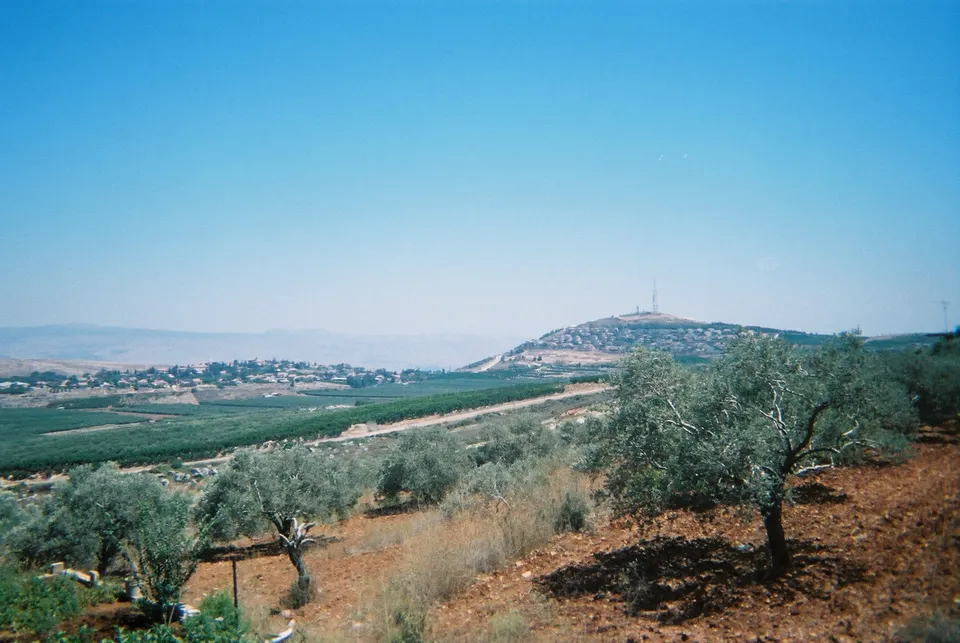
An already fragile ceasefire in Lebanon between Israel and Hezbollah is facing its first significant challenge following a flare-up of violence that saw intense clashes and retaliatory strikes. The escalation led to the cancellation of a crucial US-Iran meeting in Switzerland, which was intended to discuss the implementation of a broader peace deal aimed at ending wider regional conflict and reopening vital trade routes like the Strait of Hormuz. The renewed hostilities, which reportedly resulted in casualties on both sides, underscore the delicate nature of the current peace efforts and the potential for localized conflicts to derail larger diplomatic initiatives.
This renewed violence directly threatens the nascent US-Iran agreement, a cornerstone of which is de-escalation and the eventual normalization of trade, including oil flows through the Strait of Hormuz. The cancellation of the Switzerland talks signifies a major setback, raising concerns about the commitment of all parties to the diplomatic process and increasing geopolitical risk premiums in global markets. Investors and policymakers will be closely watching for signs of further escalation or a swift return to dialogue, as the stability of the region and global energy markets remain intrinsically linked to the success of this US-Iran accord.
---
Iran's Army Vows to Defend National Dignity Amidst Regional Tensions
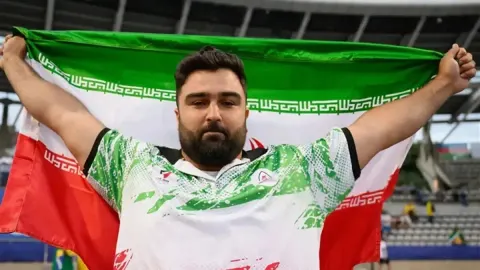
The Army of the Islamic Republic of Iran has issued a statement affirming its readiness to safeguard the nation's dignity and interests, particularly in response to any perceived breaches of commitment by adversaries. This declaration follows a message from the Supreme Leader regarding a US-Iran Memorandum of Understanding (MoU), signaling a robust stance on national sovereignty and security. The Army's statement serves as a clear message to international actors that Iran is prepared to defend its position, especially in the context of ongoing regional instability and diplomatic maneuvering.
This assertion of military readiness comes at a critical juncture, with tensions high in the Middle East and diplomatic efforts to de-escalate ongoing. The Army's pledge to protect national interests is directly relevant to the economic well-being of Iranians, as regional stability impacts currency exchange rates, international trade, and the overall investment climate. Any hint of instability or a breakdown in diplomatic channels, particularly concerning the US-Iran MoU, could have immediate repercussions on the Toman's value and market confidence, making the Army's declaration a significant signal in the current geopolitical landscape.
---
Market Pulse: USD/IRR Rises Amid Geopolitical Uncertainty
The Iranian Toman experienced a notable depreciation against the US Dollar over the past 24 hours, with the sell rate moving from 155,700 to 158,750, marking a 2.0% increase. This movement reflects heightened geopolitical tensions in the region and the cancellation of critical US-Iran talks, which typically dampens investor confidence and increases demand for safe-haven assets like the dollar. The instability in Lebanon and the subsequent diplomatic setback appear to be weighing heavily on the local currency.
In other market movements, 18-karat gold per gram saw a slight decrease of 0.4%, trading from 15,983,655 to 15,918,324 Toman. The Emami coin, however, remained stable with no change in price. These fluctuations, particularly the Toman's slide, highlight the sensitivity of the Iranian economy to regional geopolitical developments and the status of international diplomatic engagements. Traders are likely factoring in increased risk as the US-Iran peace process faces new obstacles.
---
Schwab Enters Prediction Markets Race, CME Leads Crypto Futures Lawsuit
Charles Schwab is reportedly preparing to enter the burgeoning prediction markets sector, with plans to offer event-based options tied to the S&P 500 index. This move, as reported by the Wall Street Journal, positions Schwab against competitors like Coinbase and Robinhood, who are also expanding their offerings in this niche but rapidly growing segment of the financial market. Prediction markets allow participants to bet on the outcome of future events, and Schwab's entry signals a significant institutional play in a space previously dominated by smaller platforms.
Meanwhile, in the ongoing regulatory landscape for digital assets, TD Cowen suggests that CME Group holds a strong position in its lawsuit against the Commodity Futures Trading Commission (CFTC) regarding crypto perpetual futures. The firm anticipates CME will seek to block perpetual futures trading as the legal battle progresses. This legal challenge is crucial for the future of crypto derivatives regulation in the United States, with potential implications for market accessibility and product innovation in the crypto space. The outcome could significantly shape how crypto-related financial products are offered and regulated.
Frequently Asked Questions
What is the current status of the US-Iran peace talks?
What impact is the regional conflict having on the Iranian Toman?
What is Princess Catherine's stance on digital screens and children?
Are oil markets stable following the Lebanon ceasefire news?
What is the significance of the CME Group's lawsuit regarding crypto perpetual futures?
Understanding Currency Depreciation: The Case of the Iranian Toman
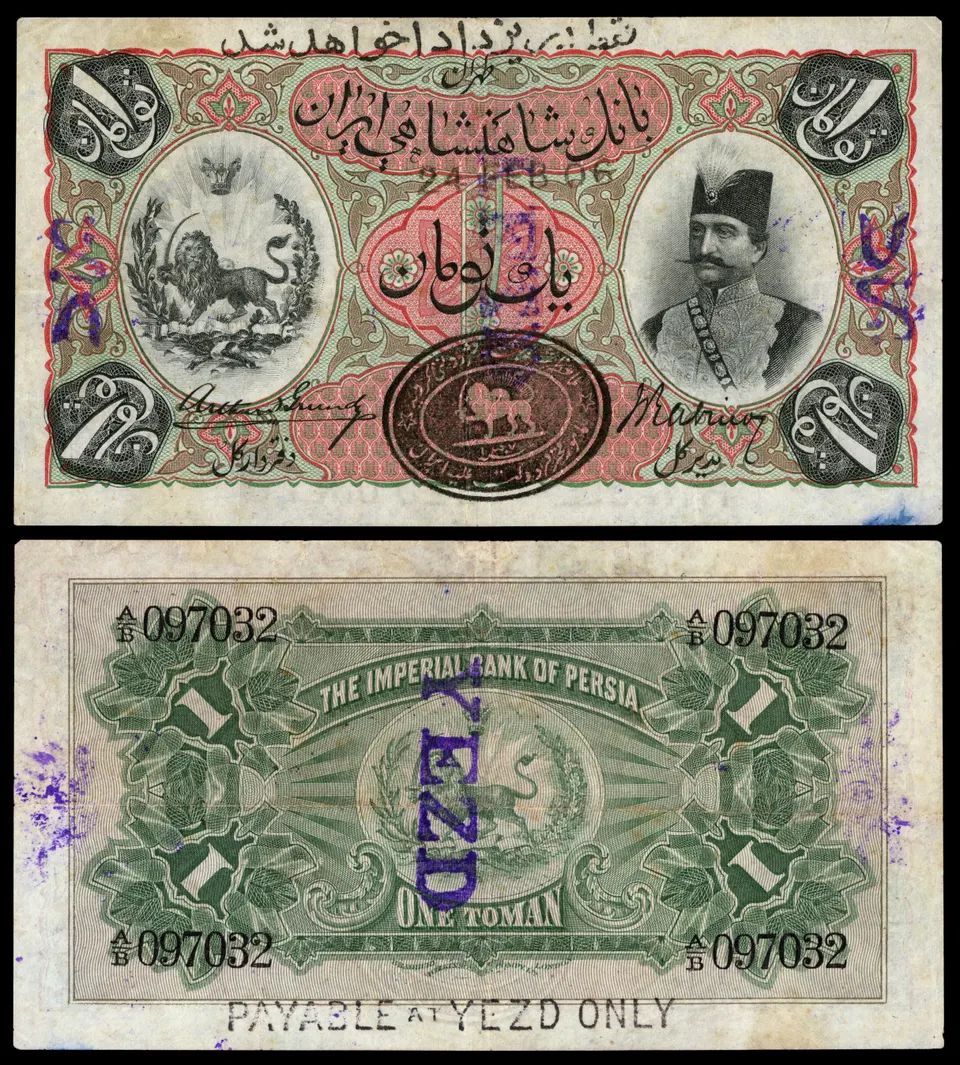
When news headlines mention the 'Iranian Toman' and 'USD/IRR,' they are often pointing to a critical economic phenomenon: currency depreciation. This occurs when the value of a country's currency falls relative to other currencies, most commonly the U.S. Dollar. For instance, if the exchange rate for the Iranian Toman (an unofficial but widely used unit equal to 10 Iranian rials) against the USD increases, it means you need more Toman to buy one U.S. Dollar. This effectively signifies that the Toman has lost purchasing power on the international market.
The drivers of currency depreciation are multifaceted. Domestically, high inflation erodes the currency's value, as goods and services become more expensive, reducing the amount of foreign currency needed to buy local products. Trade deficits, where a country imports more than it exports, also weaken the currency by increasing demand for foreign currency. Crucially, in cases like Iran, geopolitical factors play a dominant role. International sanctions restrict trade and access to global financial systems, severely limiting foreign currency inflows and investor confidence. Political instability and a lack of trust in economic policies can also trigger capital flight, where investors move their money out of the country, further devaluing the local currency.
The consequences of significant currency depreciation are profound for ordinary citizens and the broader economy. Imports become much more expensive, leading to widespread inflation as the cost of essential goods, raw materials, and machinery rises. This directly translates to a drastic reduction in purchasing power for households, making daily life increasingly unaffordable and eroding savings. Businesses struggle with higher input costs, uncertainty, and difficulties in planning, often leading to reduced investment and job losses. The combined effect can create a vicious cycle of economic hardship, social discontent, and further instability, making the currency a barometer of a nation's economic health and its standing in the global arena.